

The Soaring Demand for Aircraft
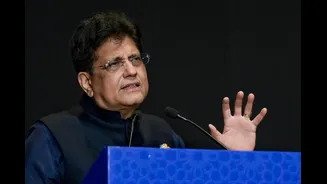
During a visit to Egypt, Commerce and Industry Minister Piyush Goyal stated that India is ready to order another 1,000 aircraft, in addition to the more than 1,200 already on order by carriers like Air India, IndiGo, and Akasa Air. This massive requirement,
totaling over 2,000 planes, is a direct response to the country's booming air travel market, which is among the fastest-growing in the world. The existing fleet is struggling to keep pace with rising passenger numbers and the expansion of routes, creating a significant capacity gap. Goyal emphasized that the government is actively pushing major manufacturers like Airbus and Boeing for faster deliveries to address this pressing shortage.
The Vision of a Global Aviation Hub
The push for more aircraft is a cornerstone of India's larger ambition to transform itself into a global aviation hub, capable of rivaling established transit points like Dubai, Doha, and Singapore. For years, a significant percentage of India's international traffic has been routed through these foreign hubs. By expanding its own fleet, particularly with long-haul capable wide-body jets, India aims to capture this traffic, offering more direct point-to-point connectivity from Indian cities to the world. The government is supporting this through a 'hub-and-spoke' model, developing major airports like Delhi as primary hubs to consolidate passengers from smaller cities and connect them seamlessly to international flights.
Airlines on a Fleet Expansion Spree
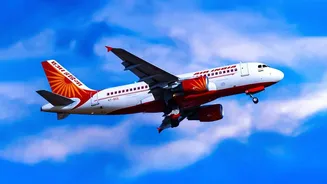
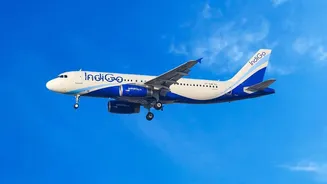
Indian carriers are at the forefront of this expansion. Air India, under Tata Group's ownership, has placed landmark orders and is rapidly inducting new aircraft. In 2026, the airline is expected to add a new wide-body plane every six weeks. Similarly, IndiGo, India's largest carrier, plans to nearly double its scale by 2030, with a major focus on international routes. The airline aims for international flights to constitute 40% of its total capacity, up from its traditionally domestic focus, and is inducting longer-range aircraft like the A321XLR and the A350 to serve European and Asian destinations.
More Than Just Buying Planes
Simply ordering more aircraft is not a silver bullet. The aviation industry faces significant global headwinds, including production backlogs and supply chain constraints at major manufacturers, which have delayed delivery schedules, with some planes expected as late as 2034. Domestically, India must also address other critical challenges. These include rising operational costs due to high jet fuel prices, a shortage of trained pilots and maintenance professionals, and the need for continued infrastructure upgrades at airports to handle the increased traffic. Furthermore, developing a robust domestic aircraft leasing and financing ecosystem, particularly through initiatives like GIFT City, is seen as crucial to support this unprecedented fleet growth.