



The Shifting Calendar
The traditional arrival date for the monsoon in Mumbai is around June 11. However, in recent years, this date has become less of a certainty. For instance, the 2026 monsoon saw a delayed onset, with meteorologists noting that a combination of factors,
including a developing El Niño, suppressed the monsoon's advance. This isn't an isolated event. Scientists have observed that over the decades, the monsoon's onset has been creeping later, while its withdrawal also gets pushed back. This shift in timing has significant consequences, particularly for agriculture, as it disrupts the traditional planting clock for key crops across Maharashtra. The once-reliable monsoon calendar now seems to be more of a guideline than a rule, forcing the city and surrounding regions to adapt to a wider window of arrival and departure.
Fewer Rainy Days, More Intense Downpours
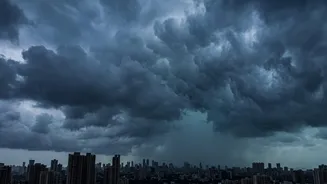
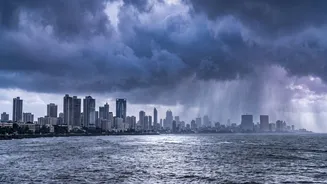
The more significant change, which residents feel most acutely, is not the total volume of rain but its character. The data points to a clear trend: Mumbai is experiencing fewer overall rainy days, but the rainfall on those days is becoming much more intense. This pattern is what experts call the "drought-to-deluge whiplash." The city now frequently endures long dry spells, only to be hit by extremely heavy rainfall events where a month's worth of rain can fall in just a few days. Studies have shown a significant increase in the frequency of 'extremely heavy' rain events (over 204.5mm in 24 hours). Between 2017 and 2020, there was a steady rise in these extreme events, fundamentally altering the nature of the monsoon from a sustained, season-long presence to a series of intense, short-lived episodes.
What the Numbers Show
A deep dive into rainfall data confirms this shift. One analysis showed that the intensity of monsoon rainfall in Mumbai is intensifying by approximately 5.18mm per year. Another study highlighted that the city experienced an average of four 'extremely heavy' rainfall events each year in the decade from 2010 to 2020. These are not just statistics; they represent the downpours that shut down local trains, flood low-lying areas, and bring the city to a standstill. Scientists point to climate change as a key driver, with rising temperatures leading to more humidity in the atmosphere, which in turn fuels more intense, albeit shorter, rainfall spells. The consensus is that climate change is fundamentally altering the Indian monsoon, making it more erratic and overpowering other weather phenomena.
The Urban Impact
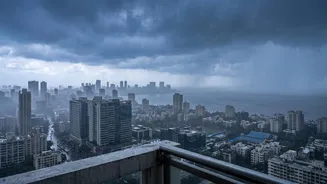
This new monsoon reality poses a severe challenge for a coastal metropolis like Mumbai. The city's decades-old drainage infrastructure was not designed to handle such concentrated deluges. When a massive volume of rain falls in a short period, especially when coinciding with high tides, the system is quickly overwhelmed, leading to widespread flooding. The human cost is staggering. A 2025 study found that extreme rainfall is linked to approximately 8% of all deaths in the city during the monsoon season, a figure ten times higher than official statistics suggest. These deaths result from drownings, electrocutions, and the exacerbation of diseases during floods. With 80% of these fatalities occurring in slum areas, the changing monsoon disproportionately affects the city's most vulnerable residents.