





A Turning Point for Passenger Rights
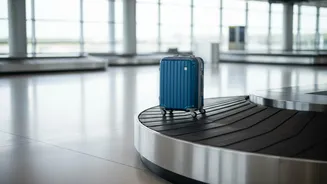
In a significant decision for Indian travellers, a district consumer commission in Kerala recently ordered an airline to pay a passenger over ₹50,000 for a three-day baggage delay. The case, which concluded in July 2026, sets a powerful precedent. The commission found
the airline guilty of a “deficiency in service” for not only delaying the bag but also for failing to compensate the passenger for the essential clothing he was forced to buy. The total payout included reimbursement for the traveller's purchases, compensation for the delay as mandated by the Passenger Charter, and additional funds for the inconvenience and litigation costs. This ruling reinforces that airlines are liable not just for the bag itself, but for the tangible costs you incur while waiting for it.
From Inconvenience to Documented Loss
For years, getting reimbursed for emergency purchases during a baggage delay was a frustrating negotiation. Airlines often offered low, arbitrary amounts for the inconvenience. This new legal backing shifts the dynamic. The focus is no longer on a vague gesture of goodwill from the airline, but on your actual, documented expenses. According to India's Directorate General of Civil Aviation (DGCA) passenger charter, domestic airlines' liability for delayed or lost baggage is capped at ₹20,000 per passenger. For international travel, the Montreal Convention applies, with liability limits of approximately 1,288 Special Drawing Rights (SDR), which translates to roughly ₹1.5 lakh. The key to unlocking this compensation is proving your expenses for essential items. This is where your pre-trip preparation becomes critical.
Your New Pre-Trip Documentation Checklist
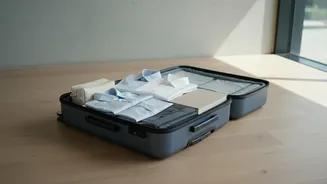
The ruling makes one thing clear: you can’t claim what you can’t prove. Adding documentation to your pre-departure routine is no longer optional. First, create a quick visual inventory. Before you close your suitcase, take a few wide photos of your packed contents, especially focusing on essential items like specific outfits, toiletries, or any critical equipment. This creates a time-stamped record of what was in the bag. Second, consider making a brief digital list of high-value or essential items in your checked luggage. This isn't about listing every sock, but noting items like a suit for a wedding, specific medication, or chargers. This simple habit can be incredibly powerful if you need to substantiate a claim later on.
What to Do When Your Bag Is Delayed
If your bag doesn't arrive, your first actions at the destination airport are crucial. Do not leave the baggage reclaim hall. Head straight to the airline's baggage service desk and file a Property Irregularity Report (PIR). This official report is the foundation of any future claim; without it, your case is almost certainly invalid. When filing the PIR, get a reference number and a contact number for follow-ups. Inform the airline representative that you will need to purchase essential items and will be seeking reimbursement. This puts them on formal notice. Your claim for delayed baggage must be formally submitted within 21 days of the bag being returned to you.
The Golden Rule: Receipts, Receipts, Receipts
Once your bag is officially delayed, you are entitled to buy necessary replacements. However, the definition of 'essential' is key. This covers items like basic toiletries, a change of underwear and socks, a simple shirt or trousers, and any vital medication. It does not cover luxury shopping sprees or non-essential goods. Every single purchase you make must be documented with an itemised receipt. Vague credit card statements are not enough. The receipt should clearly show the item purchased, the date, and the cost. Take a photo of every receipt immediately as a digital backup. This meticulous record-keeping is what separates a successful claim from a rejected one.