




Beyond the Smoky Skies
For years, the conversation around the environmental impact of fireworks has focused almost exclusively on air quality. The thick, acrid smoke that blankets cities after major festivals like Diwali is a visible and well-documented problem. This smoke is packed
with fine particulate matter (PM2.5), tiny particles that can penetrate deep into the lungs and bloodstream, causing a host of respiratory and cardiovascular problems. These airborne pollutants, which include sulphur dioxide and nitric oxide, can also contribute to the formation of acid rain, harming forests and aquatic ecosystems. While this remains a critical concern, a growing body of scientific evidence reveals that the pollution doesn't stop when the haze dissipates.
The Contamination We Don't See
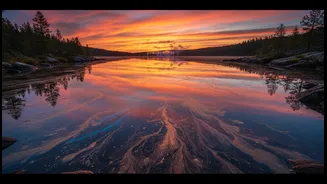
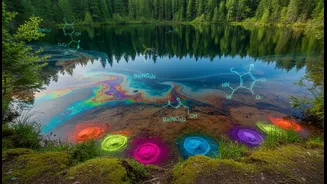
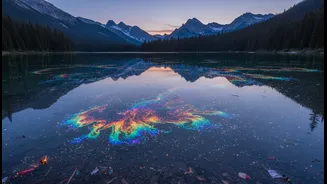
The focus is now shifting to a less visible but equally troubling consequence: water contamination. Recent studies confirm that the chemical fallout from firework displays doesn't just vanish into the air. It settles on the ground, on buildings, and directly into lakes, rivers, and reservoirs. Rain then washes these residues from the land into our waterways, creating a toxic brew that persists long after the celebrations end. This overlooked pathway means that the environmental cost of a few hours of spectacle is paid by our water systems for days, weeks, or even longer. One study noted that perchlorate concentrations could spike to over 1,000 times the baseline value in the hours following a firework show.
A Toxic Cocktail in Our Water
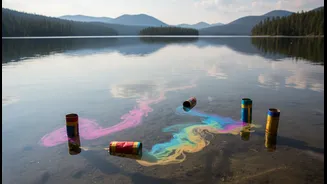
So, what exactly is getting into the water? The main culprit is perchlorate, a chemical compound used as an oxidiser to help propel fireworks into the sky. Perchlorate is highly soluble in water, allowing it to spread easily and contaminate both surface water and groundwater sources. Studies have shown that even at high levels, it can interfere with the human thyroid gland's ability to produce hormones essential for normal growth and development. Beyond perchlorate, firework residue contains a cocktail of heavy metals used to create the vibrant colours we admire — copper for blues, strontium for reds, and barium for greens. These metals, along with other compounds like phenols and sulphates, are released from spent firecracker debris and can be toxic to aquatic life, disrupting microbial communities and entire ecosystems.
From Sky to Stream: The Pollutant's Journey
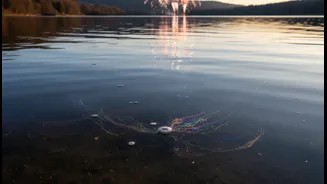
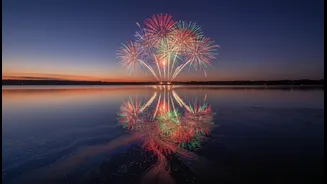
The process is straightforward but insidious. When a firework explodes, it scatters a cloud of chemical-laden particulate matter and larger debris. A portion of this falls directly onto water bodies, a common practice for displays held near lakes or rivers for enhanced visual appeal. The rest settles on land. The next time it rains, these pollutants, including the persistent perchlorate and heavy metals, are carried by stormwater runoff into drains, streams, and rivers, eventually feeding into larger water sources that may be used for drinking. Research shows these contaminants can linger; one study found perchlorate levels in a harbour remained at their maximum for four days after a display. This turns every festive display into a potential non-point source of pollution for India's already-strained water resources.
The Stakes for India
For India, a country that celebrates with pyrotechnics on a massive scale and simultaneously grapples with a severe water crisis, these findings are particularly alarming. Major festivals see cities enveloped in firework smoke, and research in Kerala has already confirmed the presence of perchlorate in soil and water samples after such events. With many rivers and lakes already heavily polluted, the additional burden of toxic chemicals from fireworks could have a compounding effect on aquatic ecosystems and public health. The chemicals can accumulate in fish, eventually making their way up the food chain. As the country continues to debate the merits of 'green crackers', this new research underscores the need for a more holistic approach to regulation, one that considers the full lifecycle of these pollutants — from the air we breathe to the water we drink.