



Understanding Your Batik
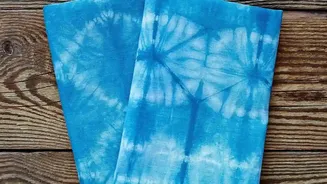
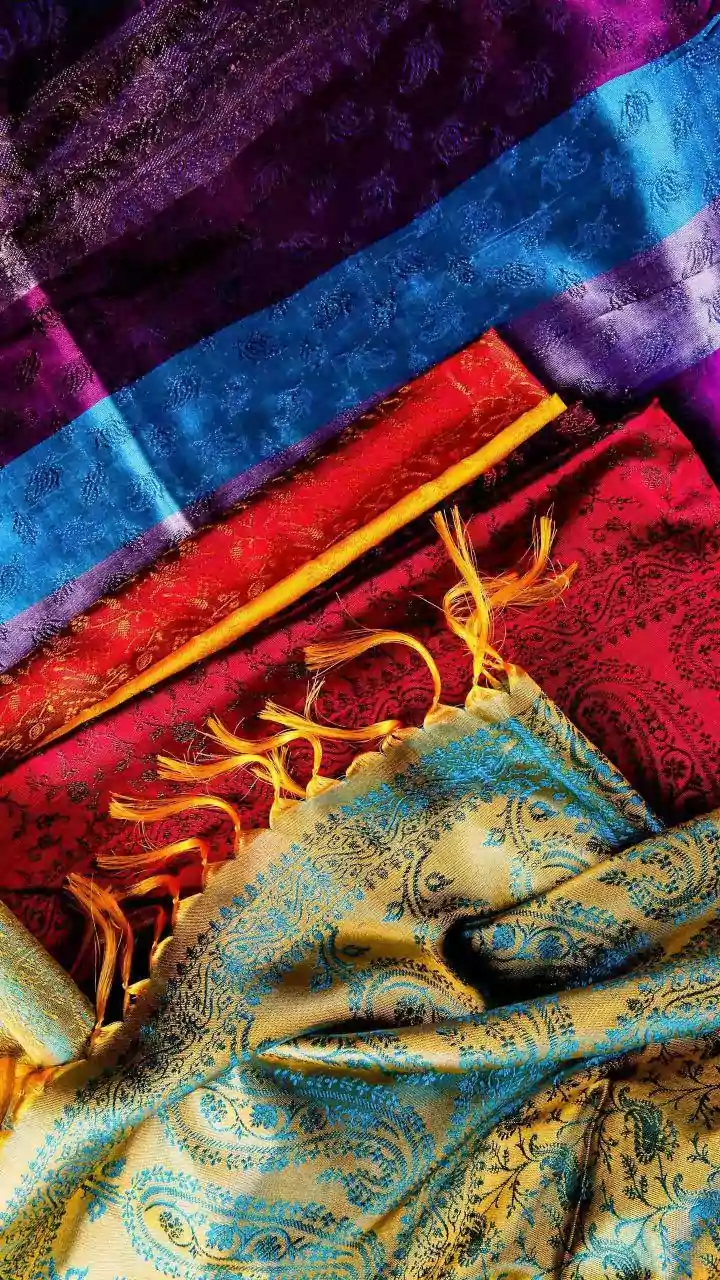
True hand-dyed batik is created using a traditional wax-resist dyeing technique. Artisans apply hot wax to fabric, which then resists the dye, creating complex patterns. This process, often repeated for multiple colours, results in a fabric with deep,
saturated tones and a unique character where no two pieces are identical. Unlike mass-produced printed fabrics, this handmade quality means the dyes are more delicate and the fabric requires a thoughtful approach to cleaning and maintenance to prevent fading or damage.
The Crucial First Wash
Hand-dyed batik is known to release excess dye during its first few washes, a process often called bleeding. To manage this, it's essential to pre-wash new batik items separately. Soaking the fabric in cold water for about 20 minutes can help. For added colour fastness, some experts suggest adding about half a cup of white vinegar to the final rinse cycle to help set the dyes. Alternatively, a color fixative product can be used before the first wash to lock in the colour and prevent future bleeding.
Gentle Regular Washing
Machine washing is generally discouraged for delicate hand-dyed batik. Hand washing in cold or lukewarm water is the safest method to preserve the fabric's integrity and colour. Use a mild, pH-neutral detergent, like a baby shampoo or a soap specifically designed for delicate fabrics. Avoid harsh detergents, bleach, or fabric softeners, as these can strip the colour and damage the natural fibres. When washing, gently agitate the water and avoid vigorous scrubbing or wringing, which can harm the fabric. A short soak of 5-10 minutes is usually sufficient.
Proper Drying Techniques
Never dry your batik fabrics in direct sunlight. The sun's harsh UV rays are a primary cause of fading. After washing, gently press the fabric to remove excess water; do not twist or wring it out. The best method is to lay the item flat on a clean towel, roll it up to absorb more moisture, and then hang it to air dry in a shady, well-ventilated area. If you must use a machine dryer, choose the lowest possible heat setting and remove the item while it is still slightly damp.
Ironing and Storage
High heat can damage batik fabric, so always use a low-to-medium heat setting on your iron. It's best to iron the fabric on its reverse side to protect the pattern and colour. For extra protection, you can place a thin cloth over the batik before ironing. For long-term storage of items like cushion covers or wall hangings, ensure they are clean and completely dry. Store them in a cool, dry place away from humidity. Rolling the fabrics instead of folding can help prevent permanent creases. Avoid storing in plastic bags, which can trap moisture; breathable cotton bags are a much better choice.