
The Appeal of Fresh Produce
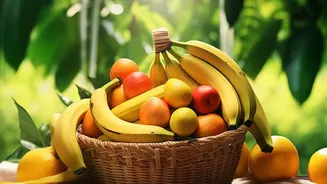
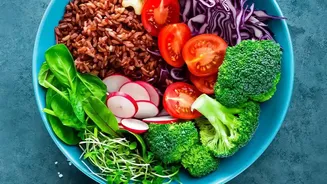
There's nothing quite like the taste and texture of truly fresh, in-season vegetables and fruits. Picked at their peak, they offer the best flavour and are versatile enough for any dish, from crisp salads to hearty curries. However, fresh produce comes
with a significant downside: waste. The price you pay per kilogram isn't for the whole item. You lose a considerable amount to peels, cores, stems, and seeds. A kilogram of fresh peas in the pod, for instance, might only yield 400-500 grams of edible peas. Furthermore, fresh produce is highly perishable and begins to lose nutrients from the moment it's harvested. Green peas can lose up to half of their vitamin C within two days of being picked. So, that 'fresh' cauliflower that travelled for days to reach your supermarket might be less nutritious than you think.
Decoding the Usable Portion
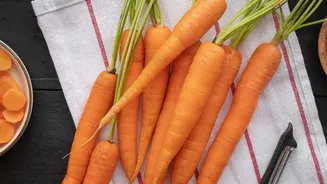
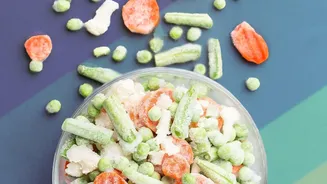
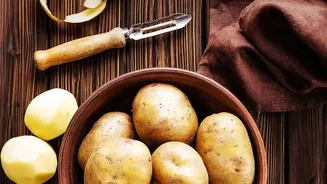
This brings us to the core concept: the usable portion. This is the actual amount of food you can eat after all the prep work is done. With fresh produce, you are always paying for parts you will discard. Think of carrot tops, potato peels, and the thick stems of broccoli or cauliflower. While some of these scraps can be creatively used in stocks or composted, most of them end up in the bin, representing a loss of both food and money. This is where frozen and canned options present a major advantage. A 500-gram bag of frozen peas or a 400-gram can of chickpeas is 100% edible. Every gram you pay for ends up on your plate, making the cost-per-serving often much lower than it initially appears.
The Frozen Advantage: Peak Nutrition
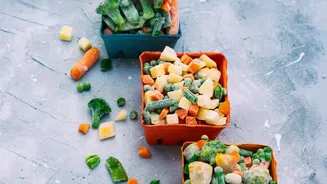
Frozen produce is often misunderstood. These fruits and vegetables are harvested at their ripest and then flash-frozen within hours, a process that locks in their nutritional content. This means that frozen spinach or corn can often be more nutrient-rich than their fresh counterparts that have spent days in transit and on store shelves. The freezing process preserves vitamins and minerals effectively. For example, while freezing can cause some minor loss of vitamin C, it's generally less significant than the loss that occurs in fresh produce over time. With a long shelf life of 8-10 months and no preparation required beyond opening the bag, frozen vegetables offer incredible convenience and significantly reduce food waste in the home.
Canned Convenience: The Pantry Staple
Canned goods are the champions of shelf life and affordability. With a lifespan of up to five years, they are perfect for stocking your pantry for quick and easy meals. The canning process involves high heat, which can reduce the levels of some water-soluble vitamins like vitamin C and B vitamins. However, it preserves minerals, fibre, and fat-soluble vitamins (A, E, K) very well. Interestingly, the heating process can even make some antioxidants, like lycopene in tomatoes, more available for your body to absorb. The two main concerns with canned goods are added sodium and the chemical BPA in can linings. You can mitigate the first by choosing 'no salt added' versions or by thoroughly rinsing the vegetables, which can reduce sodium by up to 41%. Many manufacturers are also shifting to BPA-free cans, addressing the second concern.
So, Which Is Best?
The smartest choice depends entirely on your needs. For peak flavour and texture in a salad or a dish you're making tonight, truly fresh, local, and in-season produce is unbeatable. For out-of-season cooking, smoothies, and ensuring you always have staples like peas, corn, and spinach on hand, frozen is a nutritional and economical powerhouse. Frozen options ensure you get a 100% usable portion, locking in nutrients and minimising waste. Canned goods are an excellent, budget-friendly choice for long-term storage, providing a reliable source of vegetables and legumes for curries, soups, and side dishes with minimal effort. Just be mindful to check for low-sodium options and rinse well before use.