

Why Protein Matters Now More Than Ever
Recent studies have highlighted a significant 'protein gap' in Indian diets. Many of us consume diets rich in carbohydrates but fall short on this essential nutrient. The Indian Council of Medical Research (ICMR) suggests an adult needs about 0.8 to 1
gram of protein per kilogram of body weight daily just to prevent deficiency. This nutrient is the fundamental building block for your body, crucial for muscle repair, a strong immune system, and healthy skin and hair. A widespread deficiency means many Indians experience issues like fatigue, poor muscle health, and slower recovery without realizing the root cause. The good news is that bridging this gap doesn’t require a drastic overhaul or a big budget.
The Foundation: Dals and Legumes
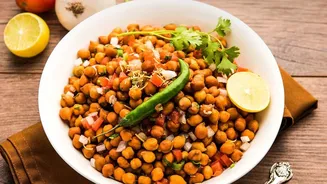
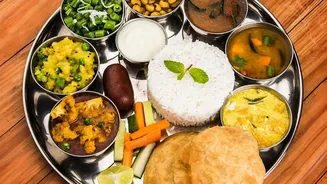
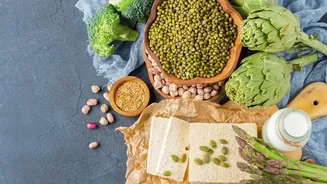
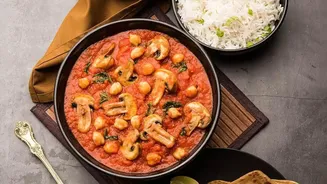
The humble dal is the undisputed hero of affordable protein. Staples like moong, masoor, and toor dal are not only budget-friendly but also packed with protein, offering around 18 grams per cooked cup. They are consistently ranked among the cheapest and most effective protein sources available in India. Beyond dal, legumes like chickpeas (chana) and kidney beans (rajma) are nutritional powerhouses. A simple bowl of rajma or chana masala, paired with rice or roti, creates a 'complete protein' by providing all the essential amino acids your body needs. Incorporating a serving of dal or legumes into your daily meals provides a solid and inexpensive protein base to build upon.
Dairy's Dynamic Duo: Paneer and Curd
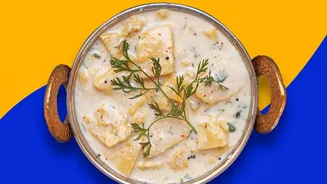
For vegetarians, dairy is a cornerstone of protein intake. Paneer, or Indian cottage cheese, is particularly valuable, delivering around 18-20 grams of high-quality protein per 100-gram serving. It is rich in casein, a slow-digesting protein that provides a sustained release of amino acids, making it excellent for muscle repair and keeping you full for longer. Don't overlook curd (dahi) and Greek yogurt (hung curd), which are not only great for gut health but also serve as a significant protein source. Adding a bowl of curd to your lunch, snacking on paneer tikka, or blending a lassi are easy ways to boost your daily tally.
The Plant-Based Champion: Soya
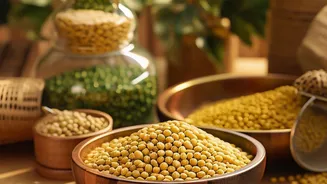
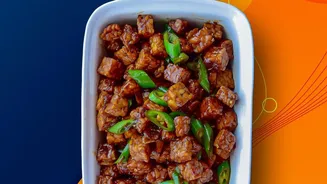
When it comes to protein-per-rupee, soya chunks are in a league of their own. With over 50 grams of protein per 100 grams (dry weight), they offer one of the highest concentrations of plant-based protein available. Soya is a complete protein, meaning it contains all nine essential amino acids, similar to meat and eggs. Tofu, made from soybeans, is another fantastic option. It serves as a lower-fat alternative to paneer and is incredibly versatile, easily absorbing the flavours of curries, stir-fries, and scrambles (bhurji). For those looking to maximize their protein intake efficiently, incorporating soya into their diet is a game-changer.
Nuts, Seeds, and Grains: The Toppers
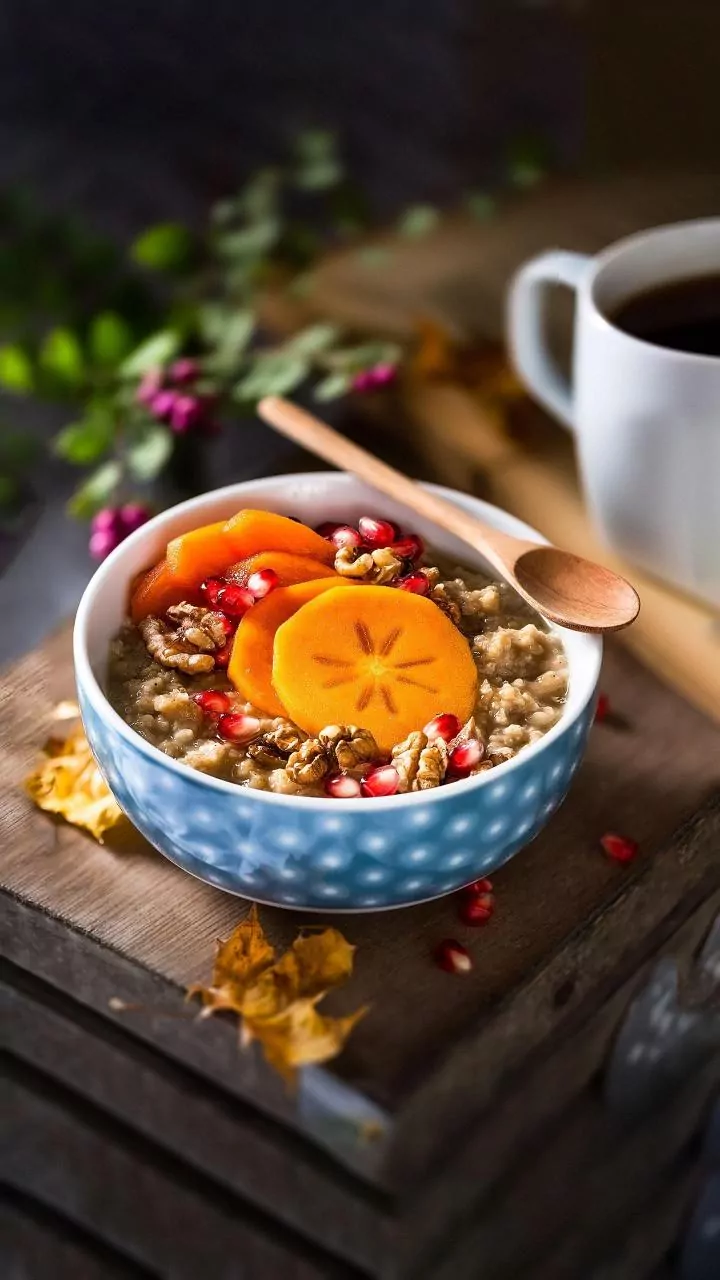
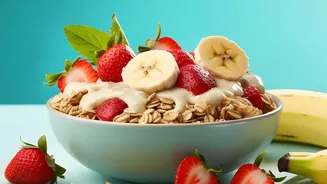
While major protein sources form the core of your meal, small additions can make a big difference. Nuts and seeds like almonds, walnuts, peanuts, and pumpkin seeds are dense in protein and healthy fats. Sprinkling a tablespoon on your oatmeal, salad, or curd adds an instant nutritional boost. Upgrading your grains also helps. Swapping refined flour rotis for those made with whole grains and millets like bajra, jowar, or even protein-rich atta can incrementally increase your intake. These small, consistent additions throughout the day help ensure you’re not just hitting your protein target but also consuming a wider array of essential nutrients.
Smart Swaps and Non-Veg Options
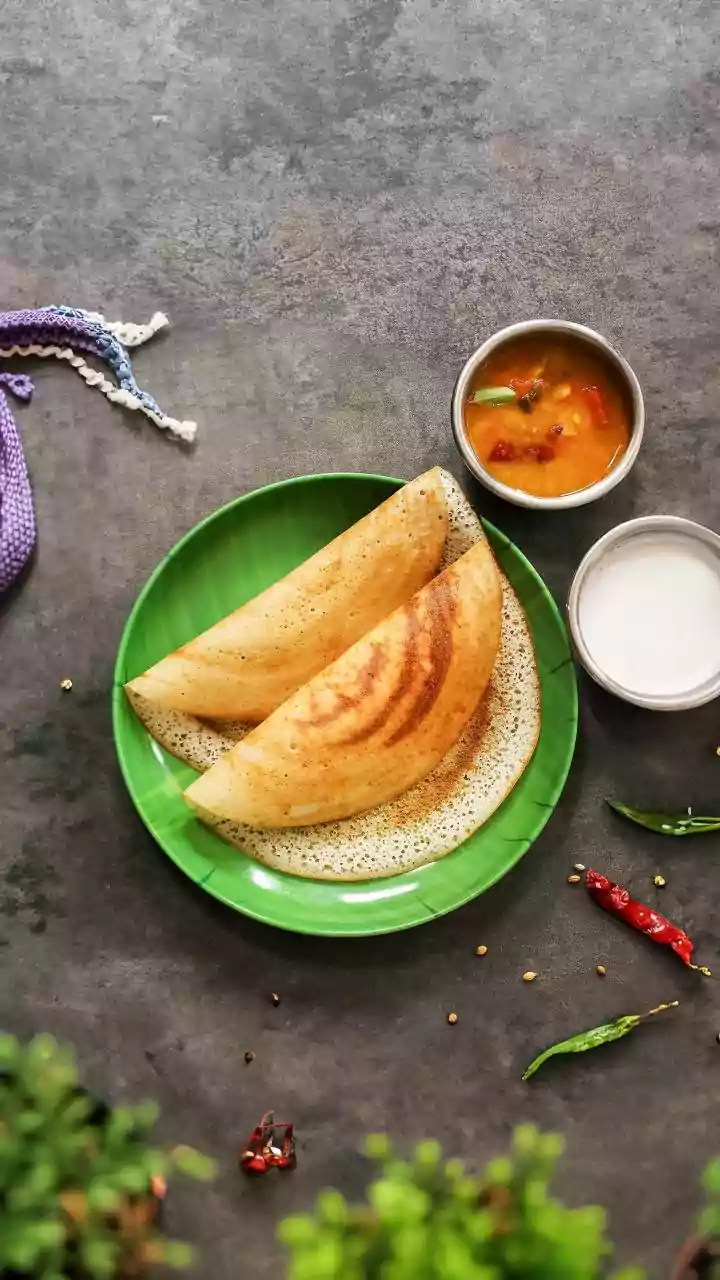
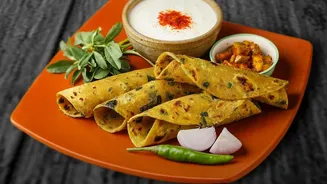
Increasing protein often comes down to making smarter choices at every meal. Instead of a carb-heavy breakfast, opt for a moong dal chilla or a paneer bhurji on toast. For a snack, swap packaged chips for a handful of roasted chana or peanuts. For non-vegetarians, the options are straightforward and effective. Eggs are often called the 'perfect protein' for their complete amino acid profile and affordability, with each egg providing about 6 grams of protein. Lean meats like chicken and fish are also excellent sources that can be easily included in curries or grilled preparations. The key is distributing these protein sources across your meals rather than having one large protein-heavy dinner.