





What is a Plant Swap?
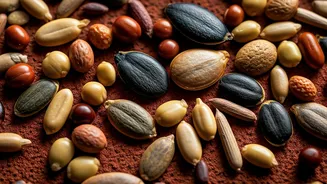
Imagine a place where your humble money plant cutting can be traded for an exotic calathea you’ve been eyeing online, with no money exchanged. That’s the simple, beautiful premise of a plant or seed swap. These are community-driven events where plant enthusiasts
gather to trade plants, cuttings, saplings, and seeds. It’s a sustainable, budget-friendly way to diversify your indoor jungle. Typically held in parks, community halls, or even cafes, these pop-ups are becoming a weekend fixture for urban gardeners across India, from Bengaluru’s bustling hubs to Mumbai’s leafy neighbourhoods. The rules are usually simple: bring a healthy, pest-free plant or cutting, and leave with a new one.
More Than Just Free Plants
While the prospect of getting a new plant for free is a major draw, attendees will tell you the real magic lies elsewhere. These swaps are fertile ground for community and connection. In cities where we often live in vertical isolation, these events bring together people from all walks of life, united by a shared passion for greenery. You’ll find seasoned gardeners sharing decades of wisdom, and novices asking for tips on how to keep their first succulent alive. It’s a space for swapping stories as much as swapping soil. This exchange of knowledge is invaluable, offering practical, location-specific advice that you simply can't get from a generic YouTube tutorial.
So, What About That Cleaner Air?
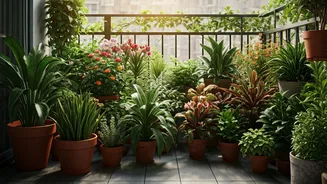
The headline promise is alluring: attend a swap, get a plant, get cleaner air. It’s a claim rooted in a famous 1989 NASA study that found certain houseplants could filter common volatile organic compounds (VOCs) from the air in a sealed chamber. Plants like the Snake Plant, Spider Plant, and Areca Palm became heroes of home wellness. But here’s the reality check: your three-bedroom flat is not a sealed NASA lab. More recent research suggests you would need a literal jungle—hundreds of plants—to meaningfully purify the air in a typical home with normal ventilation. So, while your new pothos is definitely not a substitute for an air purifier, it's not useless either. Plants do release oxygen and can help manage humidity. Think of the air-purifying quality as a small, pleasant bonus rather than the primary reason to get a plant. The biggest wellness benefit comes from the act of nurturing something green and the proven stress-reducing effect of being around nature.
Top Swapping-Friendly Plants
Ready to join a swap? The best plants to bring are those that are easy to propagate. Here are a few that are always popular at Indian plant swaps: * **Money Plant (Epipremnum aureum):** The ultimate beginner's plant. A single vine cut and placed in water will root in a week or two, making it the perfect currency for a swap. * **Snake Plant (Dracaena trifasciata):** Incredibly hardy and known for its air-purifying reputation. You can propagate it by dividing a larger plant or even from leaf cuttings. * **Spider Plant (Chlorophytum comosum):** This plant does the work for you, sending out 'spiderettes' or baby plants that can be snipped off and potted up. * **ZZ Plant (Zamioculcas zamiifolia):** A tough, low-light tolerant plant. It can be propagated from a single leaf or a stalk, though it requires patience.
Your First Swap: A Beginner's Guide
Feeling nervous about your first swap? Don't be. The community is famously welcoming. Here’s a quick guide to etiquette. First, label your offerings. A simple tag with the plant’s name and basic care tips is a thoughtful touch. Second, ensure your plant is healthy. Bringing a pest-infested plant is the biggest faux pas. Third, manage your expectations. You might not find that ultra-rare monstera on your first try. Go with an open mind. Finally, talk to people! Ask questions, share your own plant journey, and make connections. To find these pop-ups, check social media platforms like Instagram and Facebook. Search for hashtags like #plantswapindia, #plantswapmumbai, or look for local gardening groups in your city.