



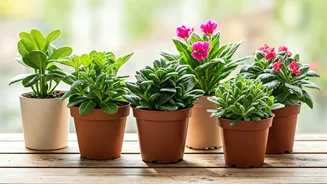


The Joy of Monsoon Gardening
As the first rains arrive, a collective sigh of relief sweeps across India. While we reach for our pakoras and chai, our gardens often face a tough test. The constant dampness, reduced sunlight, and increased risk of pests and fungal diseases can spell
disaster for many plants. But a select few not only survive but truly flourish, their lush leaves and vibrant blooms lighting up social media feeds. These are the “rain-proof” plants—resilient, beautiful, and perfectly suited to the Indian monsoon. The key to cultivating a thriving monsoon garden isn't just about picking the right species; it's about understanding what they need. Good drainage is non-negotiable. Ensure your pots have enough drainage holes and your soil mix is light and airy, allowing excess water to escape and preventing the dreaded root rot.
Balsam: The Monsoon Bloom
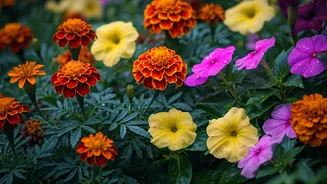
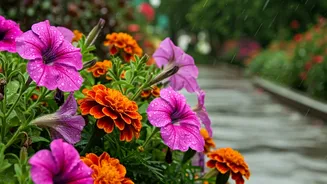
If there's one plant that screams monsoon, it's the Balsam (Impatiens balsamina). Often called 'Gulmehendi' in Hindi, these annuals are incredibly easy to grow from seed and start flowering just as the rains set in. Their delicate, rose-like flowers appear in shades of pink, red, purple, and white, creating a carpet of colour on even the greyest days. They are a favourite on Instagram for their quick growth and prolific blooming. Balsams adore the high humidity and regular watering the monsoon provides, making them a top choice for beginners. For best results, plant them in a spot that receives a few hours of gentle morning sunlight. As they grow, you can pinch off the top shoots to encourage bushier growth and more flowers.
Hibiscus: The Hardy Tropical Star
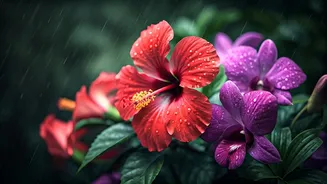
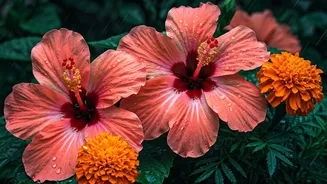
The humble Hibiscus is a staple in Indian gardens for a reason. This hardy shrub loves the monsoon. The increased humidity encourages it to produce larger, more vibrant blooms that last longer. While many plants suffer from fungal issues, the Hibiscus holds its own, provided it has good air circulation. It’s a perennial favourite, with gardeners proudly showing off new hybrid colours online. To make your Hibiscus thrive, ensure it's planted in well-draining soil. A simple mix of garden soil, compost, and sand works perfectly. Prune any dead or yellowing leaves to keep the plant healthy and direct its energy towards producing those iconic, beautiful flowers that are perfect for daily prayers or simply admiring.
Spider Plant: The Indoor Champion
For those with limited balcony space or who prefer indoor greenery, the Spider Plant (Chlorophytum comosum) is a monsoon hero. It's one of the most forgiving houseplants you can own. During the rainy season, when indoor light levels can be lower, the Spider Plant remains cheerful and green. Its main advantage is its tolerance for a wide range of watering schedules; it doesn't mind the ambient humidity and is less prone to root rot than other indoor species. These plants are famous for producing “pups”—tiny baby plants that hang from the mother plant, which you can easily propagate. They are also excellent air purifiers, making them a functional and aesthetic addition to your home during the damp monsoon months.
Caladium: The Painter's Palette
Caladiums are the drama queens of the plant world, and they love to put on a show during the monsoon. Grown from tubers, these plants produce stunning, heart-shaped leaves in mesmerising combinations of pink, white, red, and green. They thrive in the shade and high humidity that the rainy season offers, making them perfect for covered balconies or bright indoor spots. Their vibrant foliage provides a stunning contrast to the often-overcast skies, making them a popular choice for adding a pop of colour. The key with Caladiums is to avoid waterlogged soil. Plant the tubers in a light, well-draining medium and water only when the top inch of the soil feels dry. Their spectacular leaves are a photographer's dream.
Monsoon Cassia: The Golden Shower
For those with more space, the Monsoon Cassia (Cassia fistula), or Amaltas, is an iconic choice. While its primary blooming season is the hot summer just before the rains, it continues to provide a lush, green canopy throughout the monsoon. Its resilience and striking beauty make it a recurring star in online garden galleries. This tree is incredibly low-maintenance and thrives on the water provided by the monsoons. Creepers and vines like the Blue Pea (Aparajita) and Passion Flower (Krishna Kamal) also come alive during this season, climbing trellises and covering walls with their exotic flowers. They take advantage of the moisture in the air and soil to put on a spectacular growth spurt, transforming gardens into verdant wonderlands.