






In the quest for a healthier diet, we often face a simple choice: should I eat this fruit or drink its juice? This question gets more interesting when we compare two very different fruits, like tropical pineapple and temperate pear.
The Fiber Factor: Why Whole Fruit Wins
The most significant
difference between any whole fruit and its juice comes down to one crucial component: dietary fiber. When a fruit is juiced, the machinery separates the liquid from the skin and pulp, which is where most of the fiber resides. This matters because fiber does more than just aid digestion. It slows down the absorption of sugar into your bloodstream, which helps prevent the sharp spikes and subsequent crashes in blood sugar levels associated with high-sugar foods. This process also contributes to a feeling of fullness, or satiety, which can help with weight management by preventing overconsumption. When you eat a whole pear or chunks of pineapple, you get the full fiber package, making it a more balanced and filling nutritional choice.
Pineapple: The Bromelain Breakdown
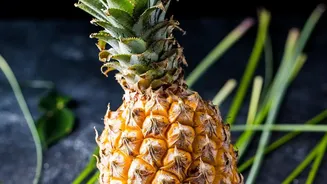
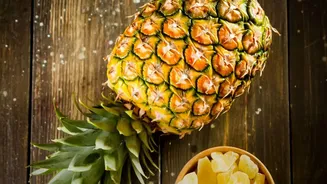
Pineapple is famous for more than its tropical sweetness; it contains a unique enzyme mixture called bromelain. Found in the fresh fruit and stem, bromelain is known for its anti-inflammatory properties and its ability to aid in the digestion of proteins. However, this powerful compound is sensitive to processing. Juicing, especially commercial processing that involves heat, can significantly reduce or even destroy the active enzymes. While fresh pineapple juice retains some bromelain, whole fresh pineapple is the most reliable source. Furthermore, the juicing process dramatically reduces other key nutrients. For instance, whole raw pineapple contains significantly more vitamin C than its canned juice counterpart. While calorie and sugar content per 100 grams can be similar between the fruit and its juice, the absence of fiber and reduced enzyme activity in the juice makes it a less optimal choice.
Pears: Gentle, Hydrating, and Fiber-Rich
Pears are often celebrated for being gentle on the digestive system. They are an excellent source of fiber, with a single medium pear providing about 6 grams, which is a significant portion of your daily recommended intake. This fiber, which includes pectin, helps promote regular bowel movements and feeds beneficial gut bacteria. Pear juice is known for its mildness and hydrating properties, and it contains sorbitol, a sugar alcohol that can have a natural laxative effect, aiding in constipation relief. However, just like with pineapple, juicing a pear strips away most of its valuable fiber. While you still get vitamins like C and K, and minerals like potassium, the balance is altered. The skin of the pear is particularly rich in antioxidants and nutrients, all of which are lost when it is turned into clear juice.
The Sugar and Calorie Question
One of the biggest concerns with fruit juice is the concentration of sugar and calories. It's much easier to drink the equivalent of three or four whole fruits in a single glass of juice than it is to eat them whole. This leads to a much higher intake of sugar and calories in a very short period, without the fiber to slow absorption. For example, a cup of pineapple juice can contain more calories and sugar than a cup of pineapple chunks. This rapid influx of sugar places a greater demand on your body to manage blood sugar, which is why health experts often advise that whole fruits are a safer option, particularly for individuals monitoring their sugar intake. While 100% fruit juice without added sugar is a better choice than sugary soft drinks, it still represents a concentrated source of sugar that should be consumed in moderation.