

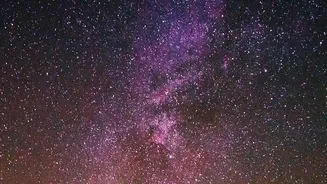

The Science of a Clear Winter Night
The primary reason winter skies are clearer comes down to a simple enemy of stargazing: humidity. Humid air contains a high amount of water vapour. While the vapour itself is a gas and largely transparent, it creates conditions ripe for other problems.
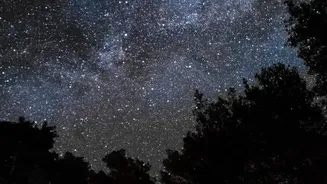
When humidity is high, water can condense around tiny atmospheric particles like dust and pollutants, forming a fine haze that scatters light. This scattering effect drastically reduces the contrast and clarity of what we see, making faint stars disappear and creating a glow around brighter objects like the moon or planets. Winter air is typically much drier. With less moisture, there are fewer suspended water droplets to blur your view, meaning the light from distant galaxies and nebulae reaches your eyes with much less interruption. The result is a darker, sharper, and more brilliant star-filled sky.
A Gift from the Departing Monsoon
India’s climate, dominated by the monsoon, plays a huge role in this seasonal clarity. The heavy rains from June to September act as a natural scrubber, washing a significant amount of dust and pollutants out of the atmosphere. As the monsoon retreats, it leaves behind cleaner air. The months immediately following, from October to February, are often called India's 'golden window' for astronomy. This period combines the clean air left by the rains with the incoming dry, stable conditions of winter. The notorious haze and dust storms of the pre-monsoon summer months are absent, providing a pristine canvas for the cosmos to put on its show.
Cosmic Wonders of the Winter Sky
Winter not only provides a clearer view but also showcases some of the most recognisable and dazzling celestial objects. The Northern Hemisphere’s winter sky is dominated by the majestic constellation of Orion, the Hunter, which is easily visible overhead from most of India. Following Orion are other bright constellations like Taurus, with its fiery red star Aldebaran, and the beautiful open star cluster, the Pleiades, which looks like a tiny, shimmering diamond brooch to the naked eye. Furthermore, winter hosts one of the most reliable and spectacular meteor showers of the year: the Geminids. Peaking in mid-December, the Geminids can produce over 100 meteors per hour in a dark sky, offering a truly breathtaking experience.
India’s Premier Dark-Sky Destinations
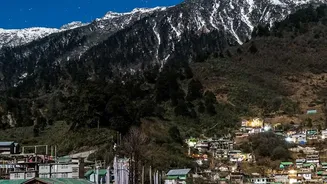
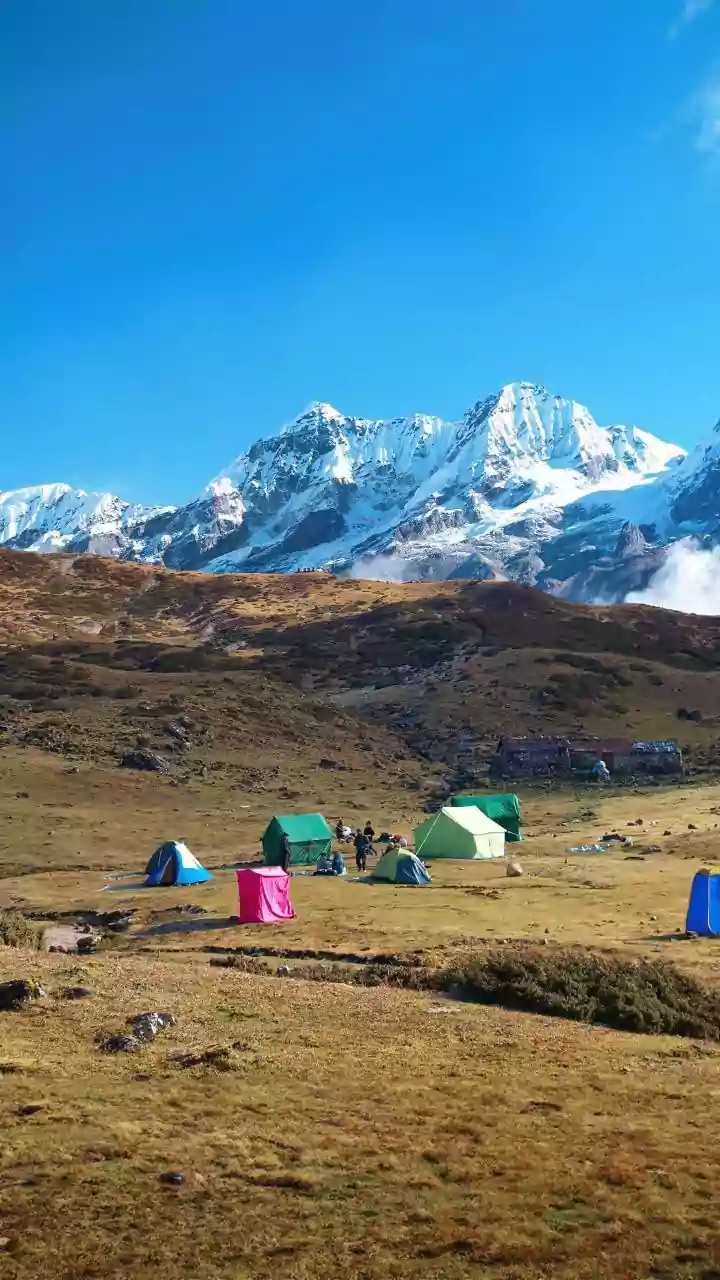
To make the most of the season, you need to escape the light pollution of the cities. Fortunately, India's diverse geography offers several world-class stargazing spots. Hanle in Ladakh, home to India’s first official Dark Sky Reserve, is arguably the best. Its high altitude, bone-dry air, and minimal light pollution provide near-perfect observing conditions. Spiti Valley in Himachal Pradesh is another high-altitude cold desert offering exceptionally clear and dark winter skies. For those in other parts of the country, the white salt desert of the Rann of Kutch in Gujarat and the dunes outside Jaisalmer in Rajasthan offer vast, uninterrupted horizons and dry winter air perfect for astronomy. Even the hills of Coorg in Karnataka and some spots in the Western Ghats can provide surprisingly dark skies on a clear, moonless winter night.
Tips for Your Winter Stargazing Trip
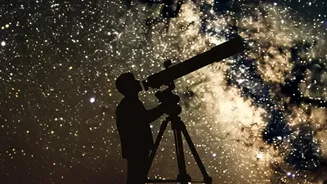
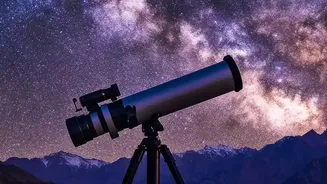
Planning is key to a successful stargazing adventure. First, check the lunar calendar and plan your trip around the New Moon. The absence of moonlight makes a massive difference, allowing the fainter stars and the Milky Way to shine through. Second, dress in warm layers. High-altitude and desert locations get extremely cold at night, even if the days are pleasant. Insulated jackets, gloves, and hats are essential. Finally, while you don’t need expensive equipment, a good pair of binoculars can dramatically enhance your view, revealing details in the moon's craters, the moons of Jupiter, and countless more stars than your eyes alone can see. For identifying constellations, smartphone apps can be an invaluable guide.