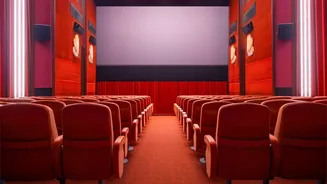







The Irreplaceable Magic of the Big Screen
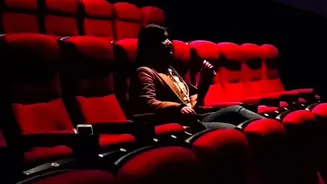
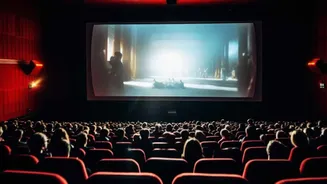
Despite the undeniable convenience of streaming, the allure of the cinema remains powerful. For many, going to the movies is not just about watching a film; it is a cultural event, a social ritual. The collective gasps during a thriller, the shared laughter
in a comedy, and the roar of applause for a superstar's entry are experiences that a living room cannot replicate. This is particularly true for the large-scale, visually spectacular 'event films'. The industry has recognized this, with studios now firmly prioritizing a theatrical-first release model for their biggest titles, ensuring that movies designed for immersion are experienced as intended. This strategy leverages the deep-seated tradition of cinema as a communal celebration, an outing with friends and family that remains a cherished part of Indian social life.
The Unbeatable Economics of the Couch
The single biggest driver for Over-the-Top (OTT) platform adoption is simple: economics. A single visit to a premium multiplex in a metro city, including tickets, travel, and the notoriously expensive popcorn and drinks, can easily cost more than an entire year's subscription to a streaming service. For a price-conscious generation, this value proposition is hard to ignore. An annual plan for a major OTT platform provides access to thousands of hours of content for roughly the price of two premium movie tickets. This shift is amplified by some of the world's most affordable mobile data plans and widespread smartphone use, which have made high-quality streaming accessible even in smaller towns. For many, the cinema has become a selective luxury, while OTT is the everyday default.
Content Now Dictates the Viewing Platform
Today’s young viewer is a strategic consumer. The decision of where to watch a film is now primarily dictated by the content itself. Grandiose action epics, sci-fi blockbusters, and star-studded historical dramas are reserved for the theatre, where their scale can be fully appreciated. In contrast, OTT has become the home for character-driven dramas, niche genres, experimental films, and long-form series that benefit from the pause button and the intimacy of personal viewing. Streaming platforms have also fostered a boom in regional storytelling, giving a national stage to content that might have previously had limited theatrical reach. This clear differentiation means audiences aren't seeing it as an either/or choice, but rather as two distinct libraries serving different moods and moments.
A Strategic Coexistence, Not a War
The initial narrative of 'OTT versus Cinema' has matured into a story of synergy. The two platforms are increasingly seen as complementary, feeding into each other's success. A strong box office performance now acts as a powerful marketing tool for a film's subsequent streaming release, with viewership often surging when a theatrical hit lands on an OTT platform about eight weeks later. This fixed window has become a crucial part of the industry's new hybrid model. It allows studios to maximize revenue from both theatrical ticket sales and digital licensing deals. At the same time, talent that gains popularity through a direct-to-digital series can leverage that fame for a successful theatrical launch, proving that success on one platform can build an audience for the other. It's a cycle where both the big screen and the small screen have a defined and vital role to play.