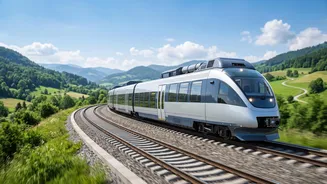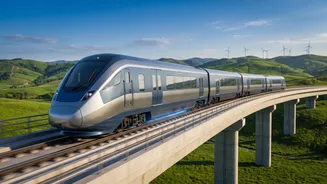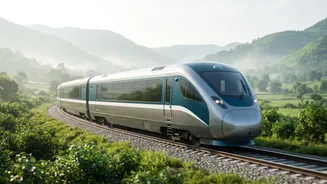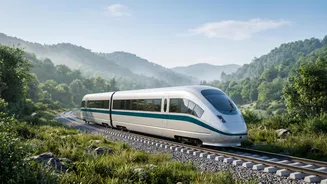





The Vision: 'Hydrogen for Heritage'
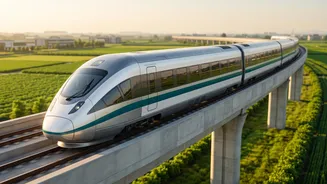
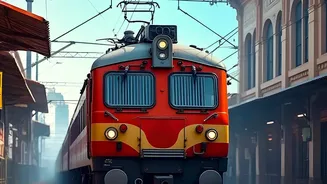
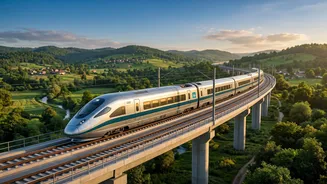
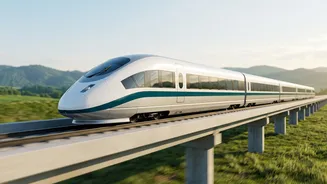
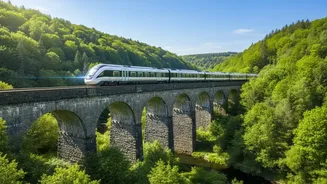
The centrepiece of this green initiative is the 'Hydrogen for Heritage' project. The plan focuses on retrofitting existing Diesel Electric Multiple Unit (DEMU) trains with hydrogen fuel cell systems, initially for its iconic heritage and hill railways.
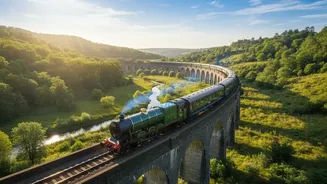
This allows the preservation of the classic charm of routes like the Kalka-Shimla and Darjeeling Himalayan Railway while eliminating their carbon footprint. The aannounced goal is to run 35 hydrogen trains on these ecologically sensitive routes, showcasing a blend of tradition and modern, clean technology. This move is a crucial part of Indian Railways' broader strategy to decarbonise, which supports India’s national commitment to reduce the emissions intensity of its GDP.
How Do Hydrogen Trains Actually Work?
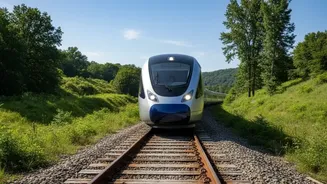
The technology at the heart of these trains is the hydrogen fuel cell. Think of it as a mini power plant on board. Inside the fuel cell, hydrogen stored in high-pressure tanks reacts with oxygen taken from the air. This electrochemical reaction generates electricity, which then powers the electric motors that turn the train's wheels. The beauty of this process is its only byproduct: water vapour. Unlike diesel engines that spew carbon dioxide and other pollutants, hydrogen trains offer a zero-emission alternative for routes where overhead electrification is not feasible or desirable.
The First Step: The Jind-Sonipat Pilot
India's journey into hydrogen rail began in July 2026 with the launch of the country's first indigenous hydrogen-powered train on the 89-km Jind-Sonipat route in Haryana. This pilot project, developed entirely in India, serves as a crucial technology demonstrator. The 10-coach train was a significant milestone, placing India among a small group of nations like Germany and Japan exploring hydrogen rail technology. However, the initial run has faced challenges, particularly low passenger numbers, prompting officials to consider extending the route to Delhi to improve its utilisation. The experience gained from this pilot is vital for refining the technology and operational strategies for future rollouts.
The Hurdles on the Track
Despite the promise, the path to a hydrogen-powered railway is filled with significant challenges. The primary obstacle is cost. The initial investment for retrofitting trains and building the necessary ground infrastructure is substantial, with each train estimated to cost around ₹80 crore. Furthermore, the production of 'green hydrogen'—hydrogen produced using renewable energy—is currently more expensive than conventional fuels. Developing a robust supply chain, including production plants, transportation networks, and safe storage facilities, is a massive undertaking that needs to be built from the ground up. Ensuring stringent safety standards is also paramount, as hydrogen is highly flammable and requires specialized handling protocols.
Why This Matters for India's Future
This transition is about more than just cleaner trains; it's a key component of India's national climate strategy. Indian Railways is one of the world's largest rail networks, and its move towards decarbonisation has a significant impact on the country's goal of achieving net-zero emissions by 2070. By replacing imported diesel with domestically produced green hydrogen, the initiative also enhances India's energy security and supports the 'Atmanirbhar Bharat' vision. Success in this domain will not only make train travel more sustainable but also position India as a global leader in green transportation technology.