







The Myth of the Perfect-Looking Fridge
Social media has given rise to "fridgescaping," the art of making your refrigerator's interior look as curated as a designer living room. This often involves decanting everything into matching clear containers, arranging produce in rainbow order, and
creating a perfectly symmetrical display. While the intention of seeing everything you have is good, prioritizing aesthetics over function can backfire. This approach can lead to storing foods in the wrong part of the fridge, where temperatures aren't optimal, causing them to spoil faster. It can also be impractical for busy households where easy access trumps a perfect display. A functional fridge is one that keeps food fresh and safe, and that requires understanding a little bit of science.
A Quick Lesson in Fridge Science
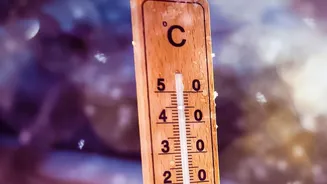
Not all areas of your refrigerator are the same temperature. Due to the location of the cooling unit and basic physics (heat rises), your fridge has distinct microclimates. The U.S. Food and Drug Administration (FDA) recommends keeping your overall fridge temperature at or below 4°C (40°F) to slow bacterial growth. However, the temperature inside can vary by several degrees from the top shelf to the bottom, and the door is the warmest part of all. Storing food in its correct zone can extend freshness by days, reduce food waste, and prevent cross-contamination and foodborne illness.
Upper Shelves: Ready-to-Eat Foods
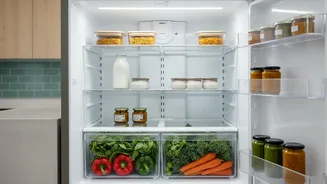
The top shelves of a refrigerator have the most consistent, though slightly warmer, temperatures. This makes it the ideal spot for foods that don't need to be cooked or are already prepared. Think leftovers in clear containers, yogurts, dips, drinks, and deli meats. Storing ready-to-eat foods here also follows a key food safety principle: it keeps them safely above raw foods, preventing any potential drips or cross-contamination. Some people also create an "eat first" bin on a top shelf for items that are nearing their expiration date to ensure they get used up.
Middle Shelves and Lower Shelves: The Coldest Zones
As you move down, the temperature in the fridge drops. The middle and lower shelves are colder and are the best place for dairy products like milk, cheese, and butter, as well as eggs. Storing them here, rather than the door, provides the consistent chill they need to stay fresh longer. The very bottom shelf is the coldest part of the fridge, making it the designated zone for raw meat, poultry, and fish. It's crucial to keep these items in sealed containers or on a plate to catch any juices, which prevents them from dripping onto and contaminating other foods below.
Crisper Drawers: Humidity Control for Produce
Those drawers at the bottom of your fridge are for more than just corralling vegetables. They are designed to control humidity. Most fridges have at least two drawers, and you can often adjust the humidity level. A good rule of thumb is to set one drawer to high humidity and one to low. The high-humidity drawer is perfect for leafy greens, broccoli, carrots, and other vegetables that are prone to wilting. The low-humidity drawer is better for fruits like apples, pears, and grapes, which can rot more quickly in a moist environment.
The Fridge Door: For Condiments Only
The door is the warmest and most temperature-fluctuating part of the entire refrigerator, as it's exposed to room temperature air every time it's opened. For this reason, you should never store highly perishable items like milk or eggs in the door, even if there's a handy, egg-shaped compartment. The door is reserved for items that are naturally more stable and resistant to spoilage, such as condiments, jams, pickles, and bottled water or juices.