

Start with a Home Water Audit
Before you can save water, you need to understand how you use it. A home water audit is a simple process of tracking consumption to identify wastage. For one week, keep a log of all water-related activities—flushing, bathing, cooking, washing—and estimate
the amount used. This exercise reveals your household's consumption patterns. Check your water meter before and after a two-hour period when no water is being used; if the reading changes, you have a leak that needs fixing. Another common culprit is a leaky toilet cistern. Add a few drops of food colouring to the tank; if colour appears in the bowl without flushing, you have a leak that needs immediate attention.
In The Bathroom: The Biggest Savings
The bathroom is where most urban homes use the majority of their water. Simple habit changes here yield the biggest results. Opt for short showers over baths, which can use up to 200 litres of water. Turn off the tap while brushing your teeth or shaving—this can save over six litres per minute. If building or renovating, consider installing low-flow showerheads and dual-flush toilets. A dual-flush system uses as little as 3-6 litres per flush, compared to 13 litres or more for older models. Installing aerators on taps is another cheap and effective way to reduce water flow without sacrificing pressure.
Kitchen and Laundry Efficiency
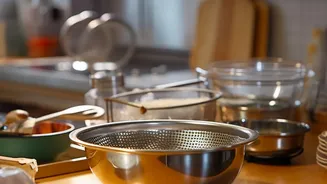
Smart practices in the kitchen and laundry area can lead to significant savings. Run washing machines and dishwashers only with full loads. When washing vegetables or utensils by hand, don't let the tap run continuously. Instead, use a basin of water. The leftover water from washing produce, which is often called greywater, can be used to water your plants. This simple act of reusing water reduces your overall freshwater consumption and gives your plants a nutrient boost.
Embrace Rainwater Harvesting
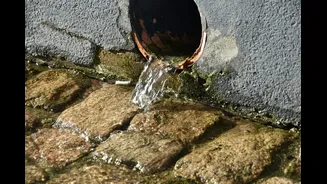
Rainwater harvesting is a powerful way for urban homes, including apartments, to become more self-sufficient. The concept is simple: collect rainwater from your rooftop or terrace, filter it, and store it for later use. This water is perfect for non-potable uses like cleaning floors, washing cars, and flushing toilets. A basic system for an apartment might involve directing rooftop runoff through a filter into a storage tank. For larger buildings, more complex systems can even be used to recharge groundwater through recharge pits. Many Resident Welfare Associations (RWAs) are now exploring community-level harvesting projects.
Explore Greywater Recycling
Greywater is the relatively clean wastewater from your showers, washing machines, and bathroom sinks. With proper planning, this water can be recycled for uses like toilet flushing and irrigation. Setting up a greywater system often requires separate plumbing to isolate it from 'blackwater' (from toilets), so it's easiest to implement during construction or a major renovation. However, simpler DIY systems are also possible. These systems filter out soap and solids, making the water suitable for your garden. Recycling greywater can reduce a household's freshwater demand by a significant margin.