







The Dream vs. The Reality of Indian Roads
A couple's road trip is more than just a holiday; it's a chance to create shared memories, one kilometre at a time. The journey is often as important as the destination. However, in a country with landscapes as dramatic and varied as India, the roads
themselves can be unpredictable. While some highways are smooth and inviting, many popular tourist routes are fraught with challenges that can test your patience, your vehicle, and even your relationship. From hairpin bends in the mountains to waterlogged paths in the monsoons, being unprepared can turn a scenic drive into a story of survival. The key isn’t to avoid adventure but to be smart about the risks you take.
The Himalayan Gamble: High Passes
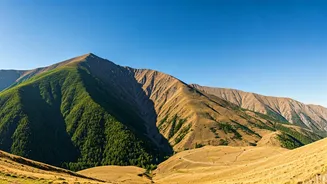
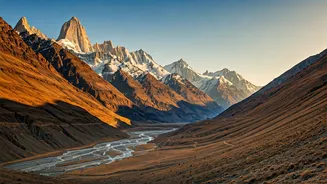
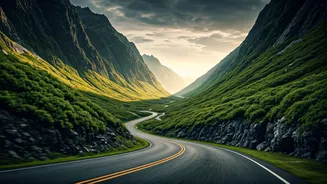
The lure of the Himalayas is undeniable, but the roads that lead there are among the most treacherous in the world. Passes like Zoji La in Jammu and Kashmir, which connects Srinagar to Leh, are infamous for being narrow, prone to landslides, and often covered in snow or ice. Another example is Rohtang Pass in Himachal Pradesh, whose name translates to “pile of corpses,” a chilling hint at its perilous nature due to sudden weather changes and heavy snowfall. While these routes offer breathtaking views, they demand exceptional driving skill, a well-maintained vehicle, and careful acclimatisation to the high altitude, which can cause sickness. A trip here requires planning for extreme cold and potential closures, making it a serious undertaking.
Monsoon Mayhem: The Western and Eastern Ghats
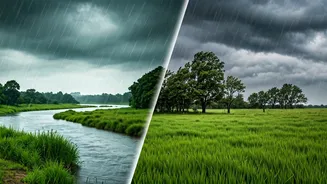
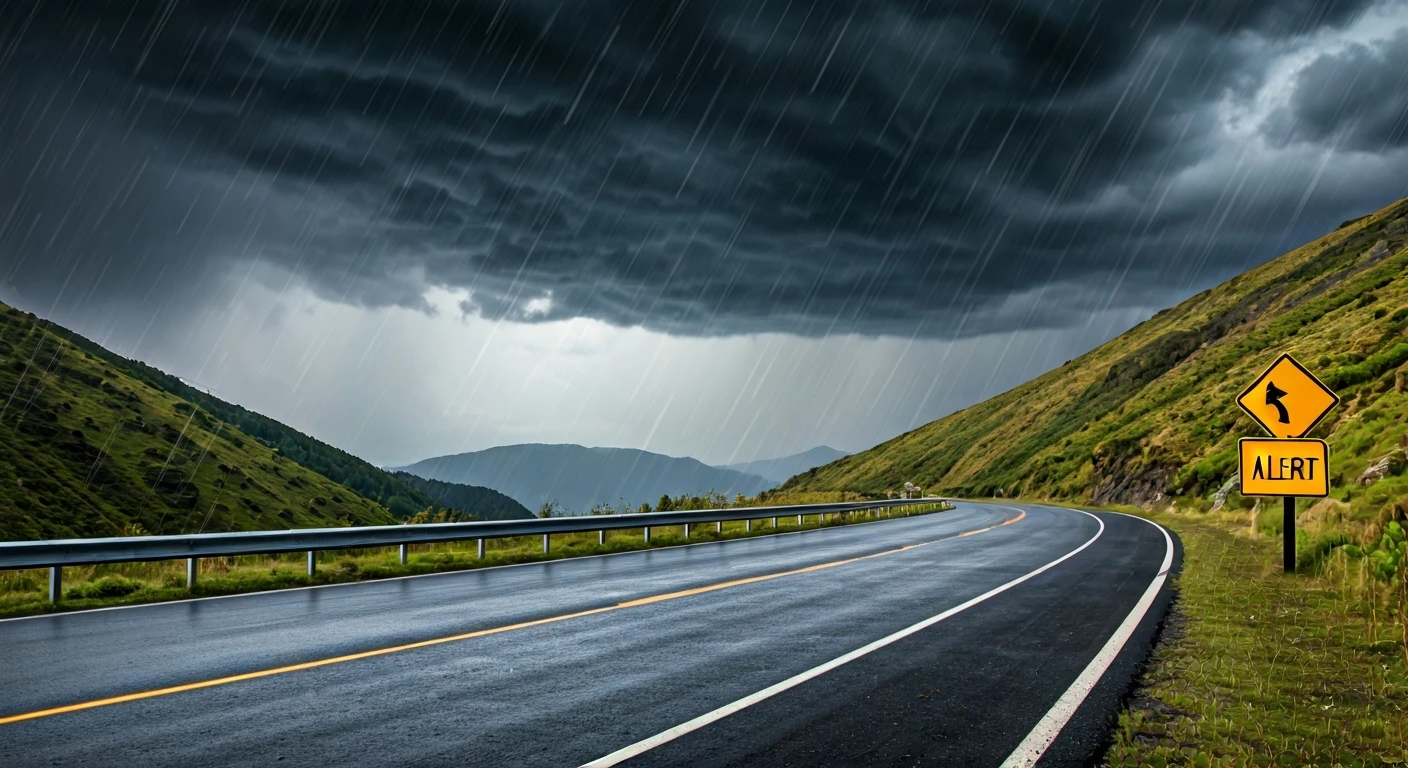
As of late June, the monsoon season is active across many parts of India, transforming scenic ghat roads into slippery, fog-covered traps. The drive to popular hill stations like Munnar in Kerala or Matheran in Maharashtra becomes significantly more dangerous. Roads become slick, visibility drops to near zero in thick fog, and the risk of landslides increases dramatically. In Tamil Nadu, the Kolli Hills road, famous for its 70 continuous hairpin bends, becomes a formidable challenge in the rain. While the lush greenery is tempting, driving in the ghats during monsoons requires extreme caution, slower speeds, and a readiness to pull over and wait for conditions to improve.
Beyond Potholes: Other Trip-Ruining Problems
It's not just the road's surface that can cause trouble. A common disaster is losing mobile signal in remote areas just when you need navigation most. Running low on fuel is another preventable crisis; petrol pumps in rural areas can be few and far between, and may close early. Then there's driver fatigue, a leading cause of accidents on long journeys. Driving for hours without breaks dulls your reaction time and focus. These issues, combined with the possibility of a vehicle breakdown or a sudden downpour, can quickly derail what was meant to be a relaxing escape.
Your Pre-Trip Safety Checklist
A perfect couple's trip is a safe one. Before you even pack your snacks, run through this essential checklist. First, get your car serviced. Check the tyres (including the spare), brakes, oil, and coolant levels. Plan your route in advance and download offline maps. It's also wise to share your itinerary with a friend or family member. Pack a comprehensive emergency kit that goes beyond basic first aid. Include a powerful flashlight, a fully charged power bank, jumper cables, a basic toolkit, and extra water and non-perishable food. Finally, plan to drive during daylight hours as much as possible and take regular breaks every few hours to stay fresh and alert.