




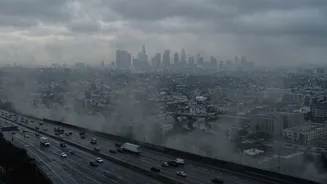
As winter's chill begins to set in, Delhi and the National Capital Region are once again grappling with deteriorating air quality. In response, authorities have activated the first phase of their anti-pollution plan.
What Are These Pollution Protocols?
The protocols are part of the Graded
Response Action Plan, or GRAP, a set of emergency measures that activate automatically as the air quality worsens. Overseen by the Commission for Air Quality Management (CAQM), the plan is divided into four stages based on the Air Quality Index (AQI). On October 21, Delhi's AQI crossed into the 'Poor' category (201-300), triggering the implementation of Stage 1. This initial stage is a preemptive strategy designed to stop the air from getting worse by targeting key pollution sources before the situation escalates to 'Very Poor' or 'Severe' levels.
The Clampdown on Garbage and Dust
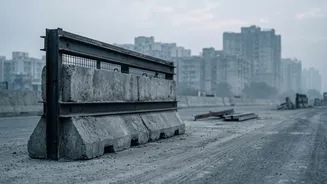
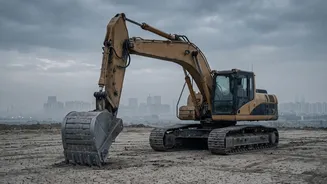
The headline's focus on garbage control is a core component of Stage 1. A strict, NCR-wide ban on the open burning of municipal solid waste and biomass is now in effect. Authorities have been directed to intensify surveillance at landfill sites to prevent fires, which are a major source of toxic smoke. Beyond just burning, the rules mandate the regular collection of municipal, industrial, and construction and demolition (C&D) waste to prevent illegal dumping. Alongside waste control, there is a heavy emphasis on dust management. All construction projects on plots of 500 square metres or more must be registered on a government web portal and comply with dust mitigation measures, such as using anti-smog guns and water sprinklers. Failure to comply can result in a halt to all construction activity.
Beyond Waste: Other Key Restrictions
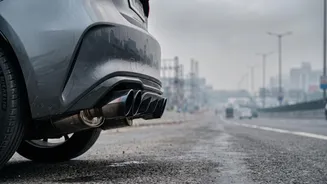
While garbage and dust are major targets, Stage 1 casts a wider net. The use of coal and firewood in the tandoors of hotels, restaurants, and other eateries is prohibited; establishments must switch to electricity or clean gas-based appliances. The use of diesel generator sets is also restricted, permitted only for essential or emergency services. There's a renewed focus on vehicular pollution, too. Traffic police are tasked with ensuring smooth flow at congested intersections to minimise idling emissions. Furthermore, there will be intensified checks for Pollution Under Control (PUC) certificates, and visibly polluting vehicles face heavy penalties or may even be impounded. The long-standing ban on diesel vehicles older than 10 years and petrol vehicles older than 15 years will be strictly enforced.
Who Enforces These Rules?
The overall directive to implement GRAP comes from the CAQM, a statutory body responsible for air quality management in the NCR. However, the on-ground implementation is a multi-agency effort. Various bodies, including state pollution control boards, municipal corporations across Delhi, Noida, Ghaziabad, Gurugram, and other NCR towns, the transport department, and traffic police, are responsible for enforcing their respective parts of the plan. For instance, municipal bodies are tasked with preventing garbage burning and ensuring proper waste lifting, while traffic police manage vehicle-related measures. The CAQM's role is to issue the orders and review the actions taken by these agencies to ensure compliance across the entire region.
Why This Is Happening Now
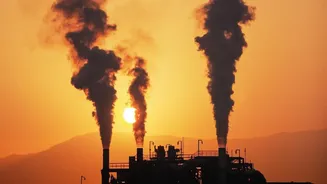
The timing of these measures is critical. Delhi's air quality typically plummets from late October through the winter months. This seasonal decline is caused by a combination of factors, including smoke from stubble burning in neighbouring states, local pollution from vehicles and industry, and meteorological conditions like lower temperatures and reduced wind speeds that trap pollutants close to the ground. The CAQM invoked Stage 1 after forecasts from the IMD and IITM indicated that the 'Poor' air quality was likely to persist. By acting now, the authorities hope to curb pollution at its source and prevent the AQI from spiralling into the more dangerous 'Severe' and 'Severe+' categories, which would necessitate much stricter, more disruptive measures like bans on construction and the entry of certain trucks.