


The Seated Forward Bend, or Paschimottanasana, is a fundamental yoga posture known for its calming effects and deep stretch. This guide makes it accessible for everyone, especially if you have tight hamstrings or a sensitive lower back.
Understanding Paschimottanasana
Paschimottanasana
(pronounced POSH-ee-moh-tan-AHS-uh-nah) is a classic seated forward fold. The name comes from three Sanskrit words: 'Paschima' meaning west, which refers to the back of the body; 'Uttana' meaning intense stretch; and 'Asana' meaning pose. So, it translates to an 'intense stretch of the back of the body'. This posture involves folding the torso over the legs, creating a deep stretch from the heels all the way up the spine. It's a grounding pose that encourages introspection and calm, making it a staple in many yoga practices. While it looks simple, it is considered one of the more challenging forward bends due to the flexibility it demands from the hamstrings and lower back.
The Real Benefits of Bending Forward
Practicing the Seated Forward Bend offers more than just a good stretch. Its primary physical benefit is lengthening the entire back side of the body, including the hamstrings, calf muscles, and the muscles along your spine. This is especially beneficial for people who spend a lot of time sitting, which can cause tightness in these areas. On a mental and emotional level, forward folds like Paschimottanasana are known to have a profoundly calming effect on the nervous system. The act of folding inward helps to quiet the mind, reduce stress and anxiety, and promote a sense of surrender and peace. The pose also gently massages the abdominal organs, which can aid digestion.
How to Practice: The Full Pose
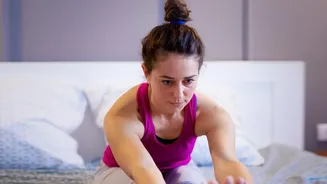
To approach the pose safely, start by sitting on the floor with your legs extended straight out in front of you in Staff Pose (Dandasana). Keep your feet flexed, with toes pointing toward the ceiling. Sit tall, lengthening your spine. On an exhale, begin to hinge forward from your hips, not from your waist. The key is to lead with your chest, aiming to keep your back as long as possible rather than rounding it. Walk your hands forward along your legs as far as you can comfortably go without straining. You can rest them on your shins, ankles, or loosely hold the outsides of your feet. With each inhalation, try to lengthen your spine a little more; with each exhalation, see if you can release more fully into the fold. Never force the movement.
The BentKnee Modification Your Best Friend
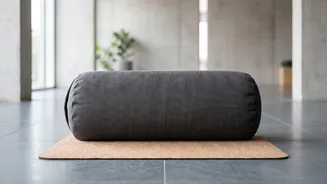
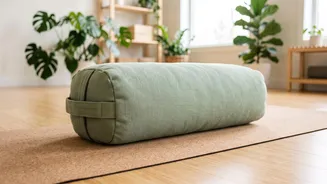
This modification is the key to making the pose work for you, especially if you have tight hamstrings or a sensitive lower back. Bending your knees is not a 'lesser' version of the pose; it's a smart and effective alignment tool that protects your body. To modify, simply bend your knees generously as you sit and prepare to fold forward. You can even place a rolled up blanket under your knees for support. As you hinge from the hips, allow your torso to rest toward or on your thighs. This change takes the pressure off your lower back and allows you to maintain a long spine, which is the primary goal. Focusing on resting your chest toward your thighs, rather than getting your head to your knees, ensures the fold is coming from the correct place—your hips.
Common Mistakes to Avoid
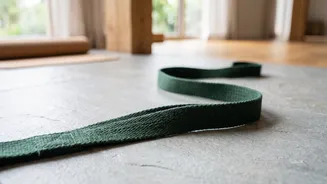
The most common mistake in Paschimottanasana is rounding the back aggressively to try and reach the feet. This puts unnecessary strain on the lumbar spine and negates the hamstring stretch. Always prioritize a long spine over how far you can fold. Another common error is pulling forcefully with the arms, using a strap like a winch to yank yourself forward. This creates tension in the shoulders and neck. Instead, the arms should only lightly assist the fold, which originates from the hips. Finally, avoid locking your knees, especially if you are hypermobile or have very tight hamstrings, as this can strain the knee joint. A micro -bend is always a safe option.
When to Be Cautious
While Paschimottanasana is highly beneficial, it's not suitable for everyone. You should avoid this pose if you have an acute lower back injury, such as a herniated or slipped disc, or severe sciatica, as the deep forward flexion can worsen these conditions. People who have recently had abdominal or spinal surgery should also refrain from practicing it until cleared by a doctor. Those with asthma may find the compression challenging, so it’s important to practice with caution and ensure the breath remains free. Additionally, pregnant women should avoid this pose due to any pressure on abdomen.