







What is the Connected Loyalty Ecosystem?
Think of loyalty not as a single program, but as a web. In the past, your airline miles were for flights and your hotel points were for stays—and rarely did the two interact. Today, brands are forming powerful alliances to create a seamless network. This
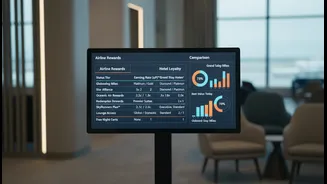
ecosystem connects airlines, hotels, car rentals, credit card issuers, retailers, and even food delivery services. The goal is to keep you engaged within their shared universe, turning everyday spending into a constant stream of rewards. In India, this trend is accelerating, with programs like Air India's Maharaja Club integrating with other Tata brands and IndiGo's BluChip partnering with retail outlets. This strategy shifts the focus from just “fly more, earn more” to “live within our ecosystem, and we’ll reward you for it.”
Points: The New Universal Currency
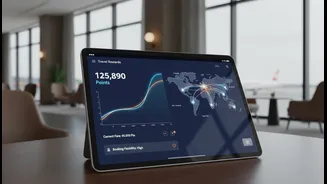
In this new landscape, points have become a flexible currency. The most powerful players are co-branded credit cards, which act as the central hub of the ecosystem. Every rupee spent on a partner card, whether on groceries or gadgets, can earn you travel rewards. This has proven incredibly popular in India, where 93% of travellers participate in at least one loyalty program, and many earn points via bank transfers and credit-linked spending. These partnerships make it easier to accumulate a large balance, but they also introduce complexity. The value of a point is no longer fixed; it depends on where you earn it, where you transfer it, and how you redeem it. The savviest consumers now treat their points portfolio with the same strategic mindset as a financial investment.
Fares Are No Longer Fixed
The days of predictable award charts are fading. Most major airlines and hotels have switched to dynamic pricing, where the number of points needed for a booking fluctuates based on demand, time of year, and the cash price of the ticket or room. This means a flight to Goa during Diwali could cost triple the points of the same flight on a quiet Tuesday. While this system can sometimes offer bargains during off-peak periods, it generally makes it harder to plan and get outsized value from your points. Airlines argue this aligns award costs with real-world demand, but for consumers, it means the concept of a “free” flight is more complicated. The true cost is variable, requiring travellers to be more flexible and strategic about when they book.
Flexibility: The Underrated Superpower
Perhaps the most overlooked, yet crucial, element in the modern loyalty ecosystem is flexibility. In a world of dynamic fares and fluctuating plans, the ability to change or cancel a booking without incurring hefty penalties is a massive advantage. Interestingly, booking with points or miles often provides greater flexibility than booking with cash. Many US airlines, for instance, will refund miles in full for a cancelled award ticket, whereas a cash ticket might only result in a travel credit. This makes points a form of travel insurance. As airlines move towards more restrictive basic economy fares, the flexibility offered through loyalty status or award bookings becomes a key differentiator, saving members from ancillary fees for seat selection and checked bags, and providing peace of mind when plans inevitably change.
How to Win in the New Loyalty Game
Thriving in this connected ecosystem requires a strategic approach. First, consolidate your efforts. Choose a primary airline alliance and hotel chain to concentrate your earning. Second, leverage a co-branded credit card that aligns with your travel goals and spending habits to accelerate rewards. In India, where brands like Flipkart, Swiggy, and Vistara have popular co-branded cards, this is a common strategy. Third, always do the maths. Before redeeming, calculate the value you’re getting per point by dividing the cash price by the points required. A good benchmark is to aim for a value of at least 1.5 cents (or about 1.25 rupees) per point. Finally, stay flexible. If your dates are rigid, you’re at the mercy of dynamic pricing. If you can shift your travel, you can often find significant value.