





The Visa Situation: A Step Back from Visa-Free
The era of easy, 60-day visa-free entry for Indian passport holders has ended. In mid-2026, Thailand revised its immigration policies, moving India back to the Visa on Arrival (VoA) category. This is a significant change. A VoA stamp, obtained at the airport,
limits your stay to a maximum of 15 days and is non-extendable. There's also a fee of 2,000 Thai Baht, which must be paid in cash. For travellers who became accustomed to simply showing up, this reversion requires a mental shift and more preparation. If you plan to stay longer than 15 days, you must apply for a 60-day tourist e-Visa in advance through the official Thai portal.
Show Me the Money: The Proof of Funds Rule
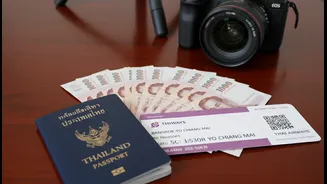
One of the most common reasons for travellers facing issues at immigration is the proof of funds requirement. An advisory issued by the Embassy of India in Bangkok in July 2026 reiterated this point clearly. Immigration authorities can ask individual travellers to show proof of holding at least 20,000 Thai Baht (approximately ₹58,000). This check is random, but if you are asked and cannot produce the funds, you may be denied entry. Crucially, officials often expect to see this in cash. While some travellers have succeeded with bank statements on their phones, relying on digital proof is a gamble. Credit cards are generally not accepted as a substitute. The funds can be in Baht or an equivalent amount in another major currency like US Dollars or Euros.
Essential Documents Beyond the Visa
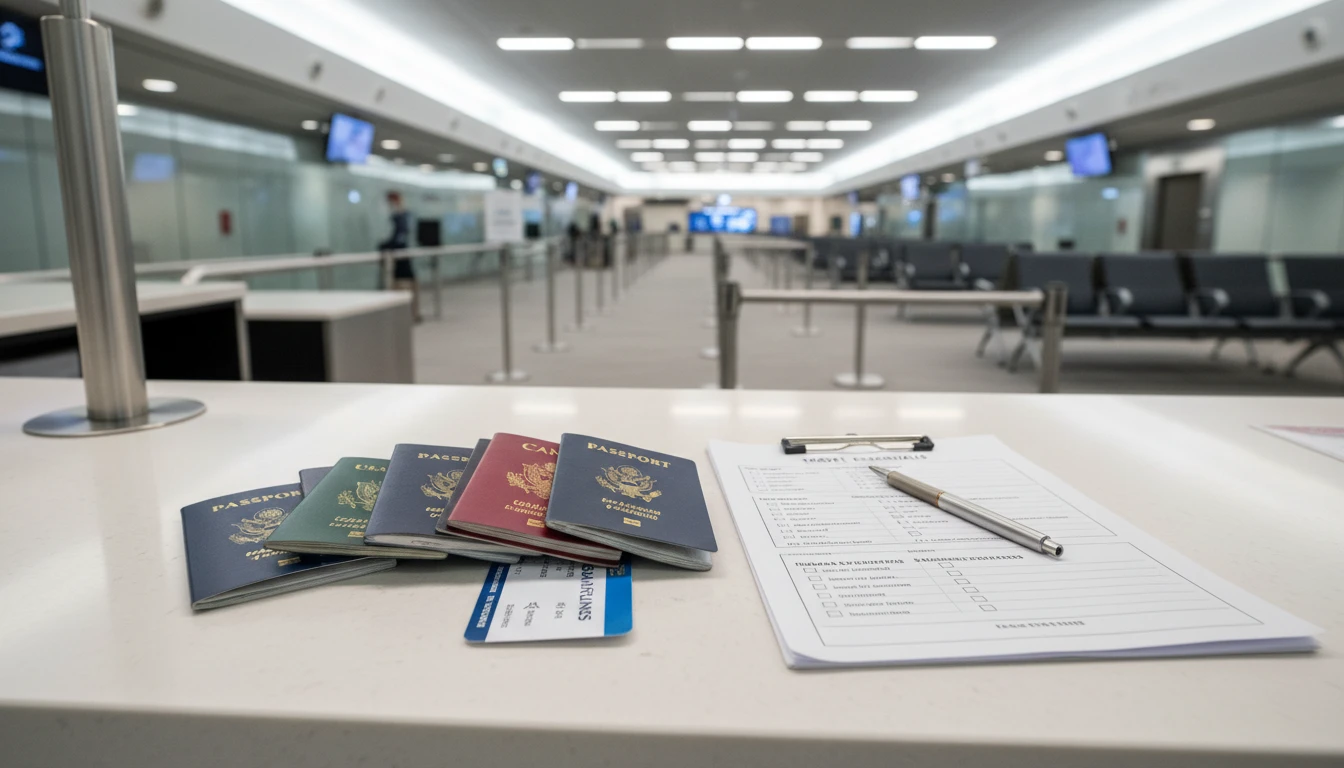
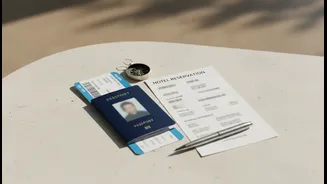
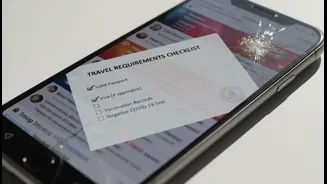
A valid visa or VoA is just the start. Thai immigration requires a folder of supporting documents, and they are checking. Your passport must have at least six months of validity from your date of entry. You also need a confirmed return or onward flight ticket showing your departure from Thailand within your permitted stay (e.g., within 15 days for a VoA). Proof of accommodation for your entire trip is also mandatory; having a booking for just the first night may not be sufficient. Finally, a clear travel itinerary can help demonstrate your genuine tourist intent. Keeping printouts or easily accessible digital copies of these documents is non-negotiable.
The Mandatory Digital Step: TDAC
The paper TM6 arrival and departure card is a thing of the past. It has been replaced by the mandatory Thailand Digital Arrival Card (TDAC). All foreign travellers must complete this online form within 72 hours before arriving in Thailand. The process is free and can be done on the official Thai Immigration website. Upon submission, you will receive a QR code via email, which you'll need to present to the immigration officer. Forgetting this step is one of the single biggest causes of delays and even entry denials at Bangkok's airports.
Why The Checks Are So Strict
The tightening of border controls is a deliberate policy shift. Thai authorities are cracking down on individuals who misuse tourist visas for long-term stays or illegal work. This includes scrutinising travellers with a history of back-to-back “visa runs” (exiting and immediately re-entering to get a new entry stamp). While the average holidaymaker is not the target, they are subject to the same checks. Officials have broad discretion, and if your documents aren't in order or your answers to their questions seem unclear, they can refuse entry under the Immigration Act. The perception of Thailand as a casual, anything-goes destination is dangerously outdated at the immigration counter.