






Why October is a Stargazer’s Dream
October marks a special transition in India’s climate that is ideal for looking at the night sky. The end of the monsoon season washes away dust and pollutants from the atmosphere, leading to exceptionally clear and transparent skies across much of the country.
This post-monsoon clarity, combined with progressively longer and cooler nights, creates optimal viewing conditions before the winter haze sets in, particularly in northern India. This two-month window is often considered the golden season for astronomy in places from the high altitudes of Ladakh to the deserts of Rajasthan and the hills of the Western Ghats. The combination of atmospheric stability and darkness makes it the perfect time to bring out a telescope or simply find a dark spot to enjoy the view.
Plan Around the Moon
The single most important factor for a successful stargazing session is the Moon. A bright Moon, especially a full one, acts like a giant source of light pollution, washing out fainter stars, the Milky Way, and meteor showers. For the best experience, always plan your deep-sky viewing around the New Moon. In October 2026, the New Moon falls on October 10th. This creates a window of exceptionally dark skies roughly from October 6th to the 15th, which is the best time of the month for observing faint objects like galaxies and star clusters. Conversely, the Full Hunter's Moon on October 25th will significantly brighten the sky, making it a poor time for anything other than viewing the Moon itself or the brightest planets.
Key Celestial Events in October 2026
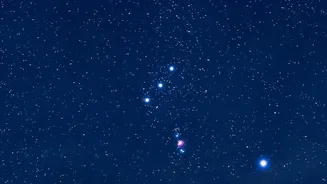
October 2026 is packed with exciting events. Early in the month, on October 4th, Saturn reaches opposition, meaning it will be at its closest and brightest for the year, visible all night long and a fantastic target for even small telescopes. Shortly after, on October 5th, look for a beautiful pairing of the Moon and Mars in the pre-dawn sky. The month features two meteor showers. First, the Draconids peak on the evening of October 8-9. These are best seen right after nightfall and will benefit from the nearly moonless sky. Later, the more prolific Orionid meteor shower, debris from Halley's Comet, peaks on the night of October 21-22. Expect up to 20 meteors per hour after midnight, once the bright gibbous moon has set. Finally, on October 27th, the Moon will pass very close to the beautiful Pleiades star cluster.
Finding Your Dark Sky Spot
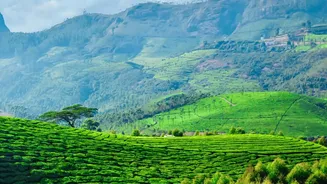
To truly appreciate the night sky, you need to escape the glare of city lights. Light pollution can reduce the number of visible stars by over 90%. Aim to travel at least 30 to 50 kilometres away from major urban centres. Use online tools like a light pollution map to find darker areas, often designated by Bortle Scale classes. A Bortle Class 3 or lower is ideal for seeing the Milky Way. In India, prime dark sky locations include Hanle in Ladakh (home to India's first Dark Sky Reserve), Spiti Valley, the Rann of Kutch, and desert areas in Rajasthan. For those in South India, the coffee plantations of Coorg in the Western Ghats offer an accessible high-altitude option with clear skies, especially between October and February. Even local state parks or large reservoirs can offer a significant improvement over suburban skies.
Essential Gear and Tips for a Great Night
You don't need expensive equipment to start. Your eyes are the most important tool, but a good pair of binoculars (like 10x50) can dramatically enhance the view of star clusters and the Moon. If you have a telescope, allow it 30-45 minutes to acclimate to the outside temperature to prevent blurry views. Dress in warm layers, as temperatures can drop unexpectedly, even in warmer climates. A red-filtered flashlight is crucial, as white light ruins your night vision; it can take 20-30 minutes for your eyes to fully adapt to the dark again. Finally, download a stargazing app like Stellarium or SkyView on your phone and set it to night mode. These apps help you identify constellations, planets, and the celestial events you've planned to see, turning a simple night under the stars into a guided tour of the cosmos.