







The Search for a Silent Corner
In our increasingly noisy world, finding a moment of genuine quiet can feel like a luxury. The constant hum of traffic, notifications, and daily life contributes to what the World Health Organization calls noise pollution, a factor that can increase stress
and disrupt concentration. This makes dedicated quiet zones in public areas more important than ever. They offer a much-needed retreat for reading, reflection, and mental recharging. The need is especially pronounced for neurodiverse individuals, for whom a quiet space isn't just a preference but a necessity for managing sensory overload and maintaining well-being. Quiet zones provide an essential counterbalance to the sensory demands of modern urban life, allowing people to focus, regulate their emotions, and simply be at peace.
When Quiet Becomes Intimidating
The traditional model for a quiet zone is the old-fashioned, pin-drop silent library, policed by a stern librarian ready to 'shush' any offender. While effective at enforcing silence, this approach can also create an environment that feels rigid, intimidating, and exclusionary. Such spaces can feel unwelcoming to children, community groups who may want to discuss what they're reading, or anyone who feels they don't fit the mould of a silent, solitary scholar. The very rules designed to create peace can become a barrier, preventing the space from being a true community hub. When a public space is perceived as having too many rules or being overly formal, it can deter the very people it aims to serve, making it exclusive by accident.
Designing for Acoustic Diversity
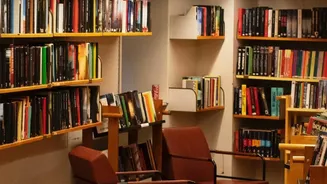
The modern solution isn't to abandon the quest for quiet, but to approach it with more nuance. Instead of a simple loud/silent binary, architects and designers now focus on creating 'acoustic diversity'. This involves zoning a single space, like a library or community centre, into areas with different sound expectations. You might have a collaborative zone for quiet conversation and group work, a general reading area with minimal ambient noise, and a designated 'deep quiet' room for absolute concentration. This is achieved through clever design choices: sound-absorbing materials like acoustic panels and even upholstered furniture, glass walls to create separation without sacrificing light, and thoughtful layouts that guide people to the appropriate zone. The goal is no longer enforced silence, but providing a range of choices to meet diverse needs.
Lessons from India's Community Libraries
In India, where public spaces are inherently vibrant and communal, a wave of community-led libraries offers a powerful lesson in inclusivity. Facing a severe shortage of formal public libraries, citizens have created their own reading rooms in bustling marketplaces and remote villages. Initiatives like The Community Library Project in Delhi and countless smaller efforts across the country prioritize access and community over rigid rules. They are often free, require no complex membership, and become safe spaces for conversation and learning. These libraries demonstrate that a space can be a hub of activity and still offer quiet corners for study, often with guidebooks for local exams being as popular as novels. Their success lies in being responsive to the community's needs, proving that a library's purpose is not just to house books, but to serve people.
Building a Culture of Consideration
Ultimately, the best public reading zones are built on a foundation of mutual respect, not just rules. While smart design can solve many acoustic challenges, fostering a community culture of consideration is just as important. This means communicating the purpose of different zones clearly and encouraging users to be mindful of others. When a space feels truly public and owned by the community, people are more likely to take care of it and respect the needs of fellow users. The Reading Room in Thiruvananthapuram, for example, grew from a children's story group into a beloved community space by focusing on connection and a sense of belonging, not strict regulations. It's about giving visitors the agency to choose the experience that suits them, fostering an environment where a quiet reader and a small discussion group can coexist peacefully.