



The Hunt for the Viral Shot
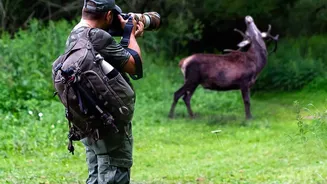
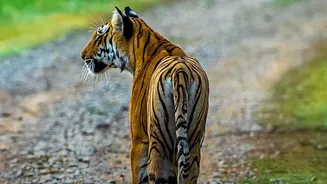
The desire to see a tiger in its natural habitat is nothing new, but the way it's being pursued has changed dramatically. Platforms like Instagram and Facebook have turned wildlife sightings into a competitive sport. A stunning photograph or a dramatic reel
of a tiger can garner thousands of likes, transforming a personal experience into a public performance. This has led to a significant increase in wildlife tourism, with some reports noting an annual growth rate of around 15% in India. This boom is fuelled by visually stunning content from travel influencers and fellow tourists, creating a feedback loop: the more incredible wildlife photos are shared, the more people want to book a safari to capture their own. National parks like Ranthambore and Corbett have become hotspots, with daily social media updates on where specific tigers can be spotted, feeding the frenzy.
When 'Likes' Harm Wildlife
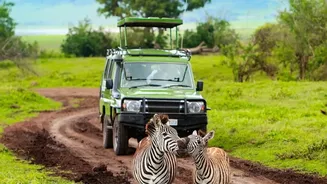
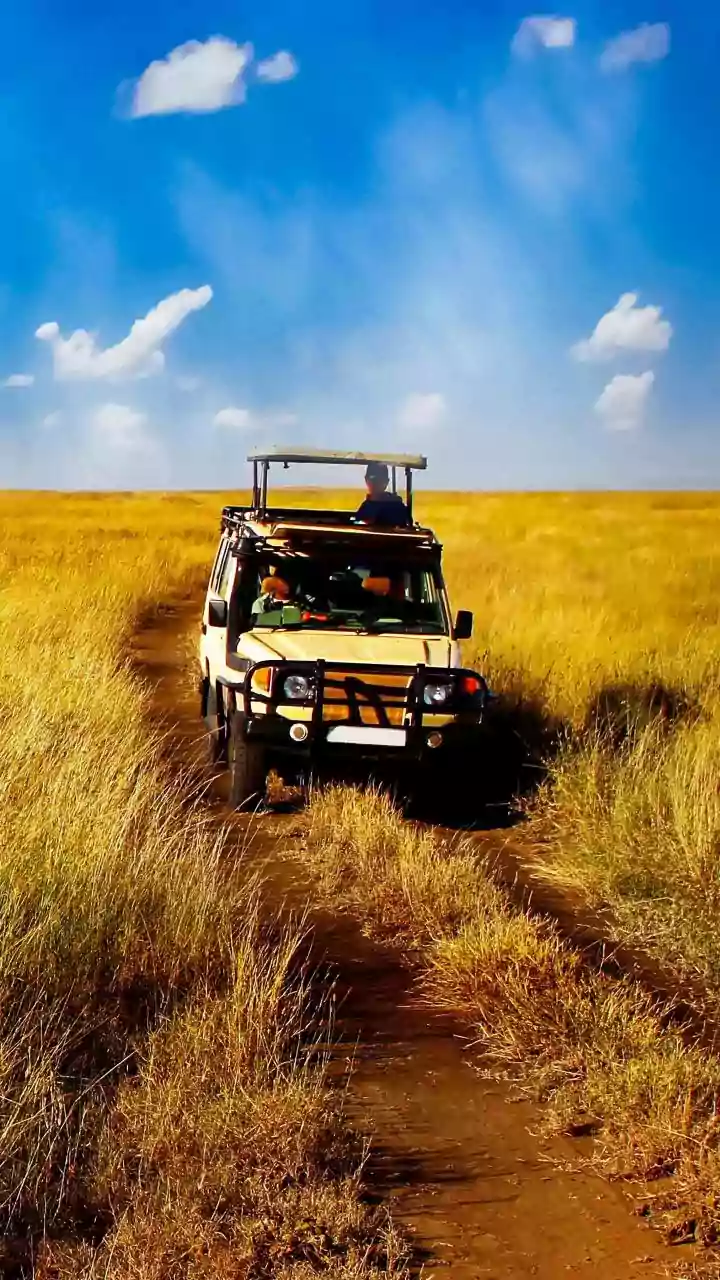
While increased interest can be a force for good, this social media-driven obsession has a dark side. The pressure to get that 'Instagram-worthy' shot often leads to behaviour that harms the very animals tourists have come to admire. Viral videos have shown swarms of safari jeeps crowding a single tiger, blocking the animal's path and causing significant stress. This tourist frenzy can disrupt natural behaviours like hunting, mating, and caring for young. Conservationists have pointed out that in the chase for a sighting, safari protocols are often flouted, with vehicles getting too close and making excessive noise. In some extreme cases, unethical practices have emerged, such as using call playbacks to attract birds or even baiting predators, all for the sake of a photograph that looks 'too good to be true'. This misbehaviour, persistent for decades, is now amplified by the desire for social media validation.
A Double-Edged Economic Boom
The surge in safari bookings is a significant economic driver for communities living around national parks. It creates crucial jobs for locals who work as guides, drivers, and hotel staff, reducing their dependence on forest resources. This, in turn, can give communities a sense of ownership and a vested interest in conservation. The revenue from park entry fees and permits also directly funds conservation efforts, including anti-poaching patrols and habitat management. However, this boom comes with challenges. Overtourism places immense pressure on local infrastructure, such as water and electricity, and can lead to increased human-wildlife conflict as resorts expand into buffer zones. While some locals benefit, others face issues like crop damage from wildlife, questioning whether the tourism boom truly serves the entire community.
The Push for Ethical Safaris
In response to these growing concerns, a strong push for ethical tourism is underway. Conservation organisations and responsible tour operators are advocating for a 'wildlife-first' approach. This includes strictly adhering to park regulations, such as maintaining a safe distance from animals and never blocking their movement. The core principle is simple: no photograph is worth causing distress to an animal. Park authorities are also taking steps; for instance, some reserves like Pench and Tadoba have banned mobile phones during safaris to curb distractions and poor behaviour. There are calls for stricter penalties, not just on guides and drivers, but also on badly-behaved tourists who disregard the rules. The conversation is shifting towards educating visitors that a true wildlife experience is about respect and patience, not instant gratification.
Your Role as a Responsible Tourist
Ultimately, social media is a tool; its impact depends on how it is used. It can be a powerful force for raising conservation awareness and inspiring a love for nature when used responsibly. As a tourist, you can make a difference. Choose tour operators who prioritise ethical practices. In the field, be patient and quiet, and instruct your driver not to get too close. Resist the urge to use geotags for sensitive locations, as this can lead to overcrowding. When you post photos, use the caption to educate your followers about conservation and the importance of respecting wildlife. Before 'liking' a seemingly incredible photo online, consider if it might have been taken using unethical means. By being a mindful visitor and a responsible social media user, you can help ensure that India’s magnificent wildlife continues to thrive for generations to come.