



Understanding Recipe Costing
At its core, recipe costing is the simple act of calculating the total price of all the ingredients used in a single dish. While it sounds like something reserved for restaurant chefs, it’s an incredibly empowering tool for the home cook. The goal isn’t
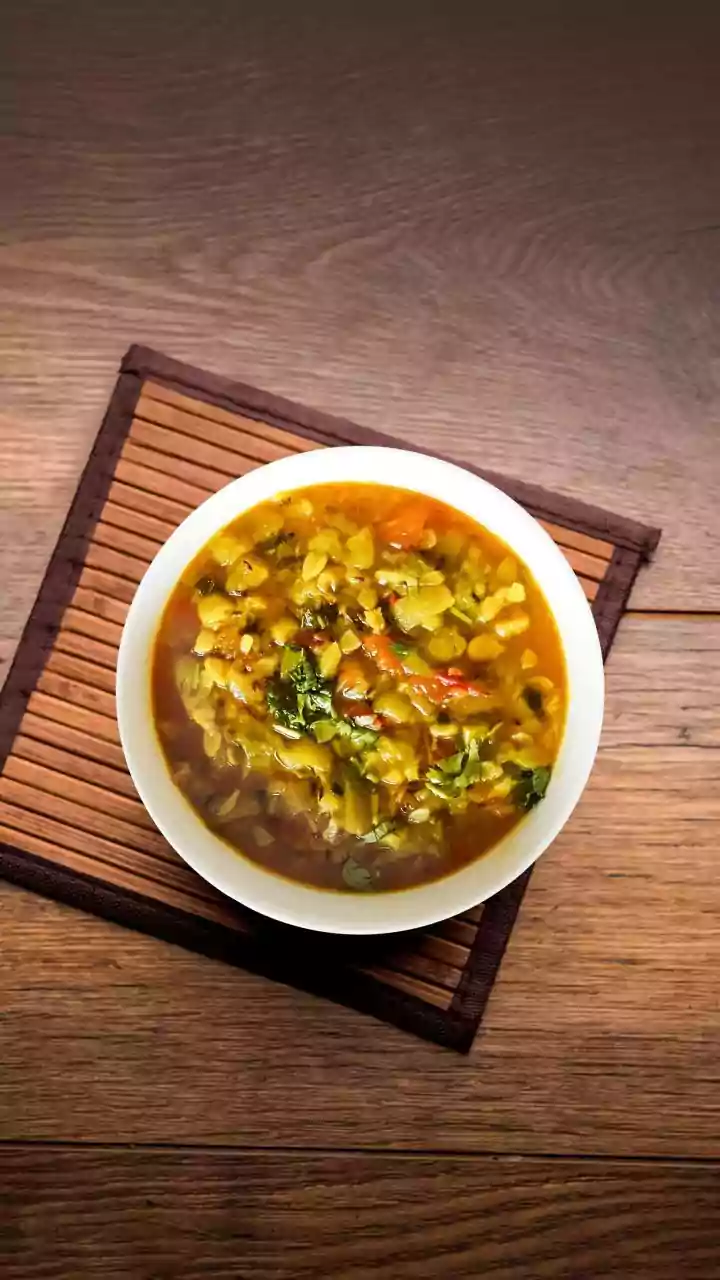
to stop you from buying what you love, but to give you a clear-eyed view of your spending. When you know that your favourite dal costs ₹50 per serving while a special occasion biryani costs ₹250, you can plan your meals more intentionally. It transforms your grocery budget from a vague, often stressful number into a set of informed decisions you control. Cooking at home is almost always cheaper than eating out, and costing your recipes is the best way to see those savings in black and white.
Step 1: Create a Price Book
The foundation of recipe costing is knowing what your ingredients cost. A 'price book' is your personal log of the prices of items you buy regularly. This can be a physical notebook, a note on your phone, or a simple spreadsheet. Start by listing your most frequently purchased groceries. Every time you shop, update the price and note the unit (e.g., price per kg for rice, price per litre for oil, price per 100g for a spice). Over a few weeks, you’ll build a valuable database. This helps you spot sales cycles, compare prices between different stores, and know immediately what a good deal looks like. Many grocery store apps now allow you to check prices online, making this process even easier.
Step 2: Calculate Cost Per Recipe
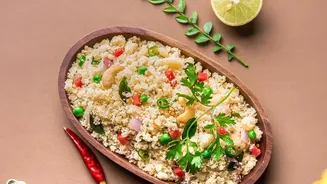
With your price book handy, you can now 'cost' a recipe. Let's take a simple example: jeera rice. Your recipe might call for 200g of basmati rice, 1 tbsp of ghee, and 1 tsp of cumin seeds. Using your price book, find the cost per unit for each item. If 1kg of rice costs ₹100, then 200g costs ₹20. If a 500g jar of ghee costs ₹300, then 1 tbsp (approx. 15g) costs ₹9. Do the same for the cumin seeds. Add up the cost of each component to get the total recipe cost. To find the cost per serving, simply divide the total by the number of people the dish serves. This exercise reveals the true, granular cost of what you're eating.
The Key: Staples vs. Special Purchases
Here is where the real insight happens. As you cost recipes, you’ll start to see two categories emerge: staples and special purchases. Staples are the affordable workhorses of your kitchen: rice, atta, dals, lentils, potatoes, onions, and everyday spices like turmeric and cumin. These items form the inexpensive base of most of your meals. Special purchases are the pricier, less frequently used ingredients that elevate a dish—think saffron, good quality paneer, imported cheese, or exotic vegetables. Often, it's these 'special' items, not the staples, that cause a grocery bill to swell. A meal built around staples is consistently low-cost; a meal that relies on several special ingredients is a deliberate splurge.
Putting Your Knowledge into Action
Understanding this distinction changes how you shop and meal plan. You can consciously decide to cook more staple-based meals during the week to save money for a more elaborate, special-ingredient-heavy meal on the weekend. This isn't about deprivation; it's about allocation. It also helps you spot 'hidden' costs. For instance, a simple pasta dish is a cheap staple meal, but if you add expensive imported Parmesan and gourmet olives, it becomes a special purchase. By costing the recipe, you see this clearly. This knowledge allows you to make smart swaps, plan for splurges, and feel in complete command of your food budget without sacrificing flavour or enjoyment.