




Turn Taps into Goldmines of Saved Water
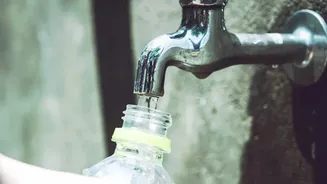
The simplest habits often have the biggest impact. An open tap can waste over six litres of water every minute. Think about the daily rituals: brushing your teeth, lathering soap on your hands, or shaving. By simply turning off the tap during these short
intervals, a family of four can save a significant amount of water each day. The same logic applies to the kitchen. Instead of washing vegetables under a running stream, use a bowl of water. When it's time to do the dishes, soaking them first in a plugged sink or a basin makes cleaning easier and cuts down on the need for constant running water.
Put Your RO Purifier's Waste to Work
The RO water purifier, a common appliance in many urban homes, is a major source of hidden water wastage. For every litre of water it purifies, a standard RO system can reject and drain anywhere from two to three litres of water. This 'reject water' isn't dirty; it just has a higher concentration of dissolved solids. Instead of letting it flow down the drain, collect it in a bucket or a small tank. This water is perfectly suited for a variety of household chores. You can use it for mopping floors, cleaning balconies, washing your car, or flushing toilets, effectively reclaiming a huge portion of water that would otherwise be lost.
Embrace the Bucket Bath
While a long, hot shower can be relaxing, it's also a significant water guzzler. A typical showerhead can use around 10 litres of water per minute. Opting for a traditional bucket bath is one of the most effective ways to cut down on water consumption in the bathroom. A bucket bath uses a fixed amount of water, usually between 15 and 20 litres, which is a fraction of what a 10-minute shower would consume. This single change doesn't alter your hygiene routine but drastically reduces your daily water footprint. If you can't give up the shower entirely, try to keep it short—under five minutes is a good goal.
Run Full Loads Only
Modern conveniences like washing machines and dishwashers are designed to be efficient, but only when used correctly. Running these appliances when they are only half-full wastes both water and electricity. Make it a household rule to only start a cycle when you have a full load. For washing machines, this could mean waiting an extra day or two to accumulate enough clothes. For dishwashers, it involves scraping food off plates instead of pre-rinsing them under the tap, and then waiting until the machine is packed before turning it on. Many modern machines also have 'eco' settings that use less water, providing another layer of savings.
Become a Leak Detective
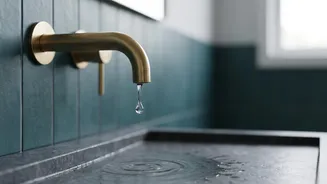
A slow-dripping tap or a silently running toilet can be easy to ignore, but they are constant sources of water waste. A single leaking tap can waste thousands of litres of water over the course of a year. Make it a habit to regularly check all taps, pipes, and toilet cisterns for leaks. A simple way to check your toilet for a leak is to add a few drops of food colouring to the cistern; if the colour appears in the bowl without flushing, you have a leak that needs fixing. Promptly repairing these small issues is one of the most cost-effective ways to conserve water at home.