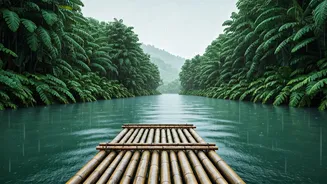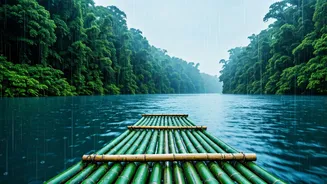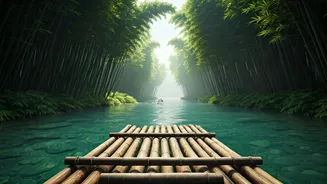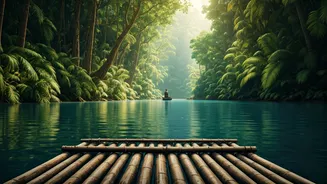



Thekkady, Kerala: A Safari on Water
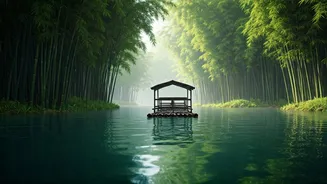
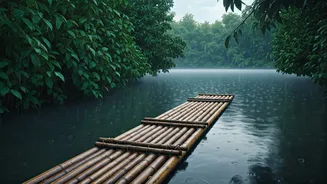
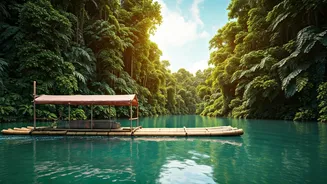
When you picture bamboo rafting in India, you’re likely imagining Thekkady. The Periyar Tiger Reserve offers one of the country's most iconic rafting experiences, combining serene floating with the thrill of a wildlife safari. Organised by the forest
department, the full-day programme typically involves a mix of trekking through dense forests and rafting on the vast Periyar Lake. As your raft, poled by experienced local guides, cuts silently through the water, the world transforms. The engine-less journey allows you to get remarkably close to the fauna without disturbing them. Keep your eyes peeled. Herds of elephants are often seen drinking at the water's edge, sambar deer graze peacefully on the banks, and troupes of Nilgiri langurs chatter in the trees above. For birdwatchers, it's a paradise, with kingfishers, cormorants, and hornbills making regular appearances. The experience is less about adrenaline and more about patience and observation. It’s a meditative journey that connects you deeply with the rhythm of the wild.
Wayanad, Kerala: Navigating a Riverine Maze
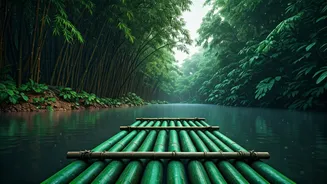
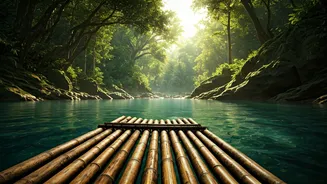
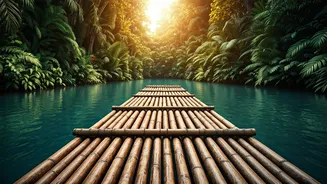
If Thekkady is about open water and expansive views, Wayanad offers a more intimate and enchanting experience. The bamboo rafting here, particularly around the Kuruva Islands (Kuruva Dweep), takes you through a labyrinth of freshwater streams and rivers shrouded by dense canopy. Kuruva Dweep is a protected river delta comprising a cluster of uninhabited islets on the Kabini River. The journey here feels like an exploration of a lost world. The rafts are simple, sturdy, and allow you to navigate narrow channels that larger boats could never access. You'll float under a ceiling of green, with sunlight filtering through the leaves and the sounds of the forest enveloping you. The water is often crystal clear, allowing you to see the riverbed below. It’s a perfect activity for those seeking solitude and a gentle adventure. The trips are usually shorter than in Thekkady, making it an easy addition to a broader Wayanad itinerary focused on exploring its waterfalls, caves, and spice plantations.
Dandeli, Karnataka: A Touch of Adventure
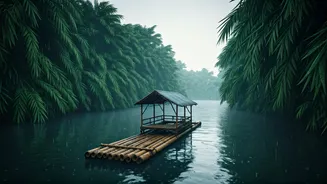
While Kerala may be the heartland of serene bamboo rafting, Dandeli in Karnataka offers a version with a slightly wilder spirit. Situated on the banks of the Kali River, Dandeli is a hub for adventure sports, and its bamboo rafting provides a gentler counterpoint to the more intense white-water rafting available nearby. Here, the experience is about appreciating the rich biodiversity of the Dandeli Wildlife Sanctuary from the water. The journey is peaceful, but the river’s currents add a subtle element of movement and excitement. As you float, you're surrounded by the thick forests of the Western Ghats. It’s an excellent opportunity for birding, with the area being a hotspot for hornbills. You might also spot crocodiles sunning themselves on the riverbanks (from a safe distance, of course!) and various species of monkeys. Dandeli’s offering is ideal for travellers who want to combine the tranquillity of rafting with other activities like kayaking, coracle rides, and jungle treks.
Tips for Your Rafting Trip
To make the most of your bamboo rafting experience, a little preparation goes a long way. First, dress for the occasion. Wear comfortable, quick-drying clothes and avoid heavy fabrics like denim. A hat, sunglasses, and generous application of sunscreen are non-negotiable, as you’ll be exposed to the sun even on a cloudy day. Waterproof footwear or sandals with a good grip are ideal. Pack light but smart. A small waterproof bag is essential for your phone and camera. Bring a reusable water bottle to stay hydrated, and perhaps some light snacks, especially for longer full-day programmes. Most importantly, listen to your guides. They are experts in the local ecosystem and safety procedures. Follow their instructions, stay seated unless told otherwise, and resist the temptation to dip your hands in the water in areas known for aquatic life. Finally, book in advance, especially during peak tourist season, as many of these eco-tourism activities have a limited number of slots per day to minimise environmental impact.