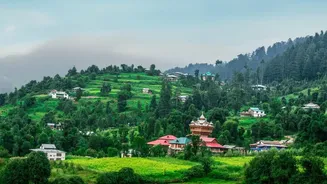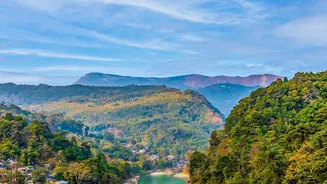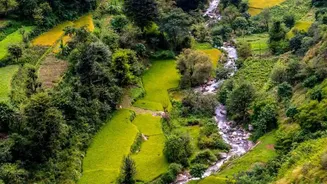


A Shift Towards Untouched Landscapes
For years, the eight states of Northeast India remained relatively off the mainstream tourist map, perceived as remote and inaccessible. Today, that very remoteness has become its greatest asset. In a world seeking authentic and off-the-beaten-path experiences,
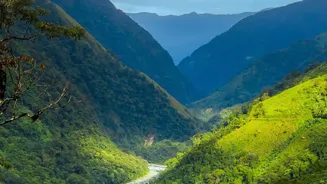
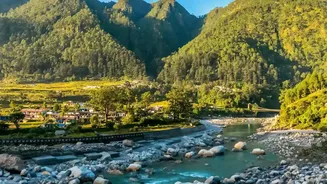
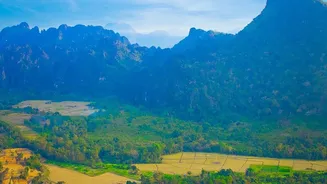
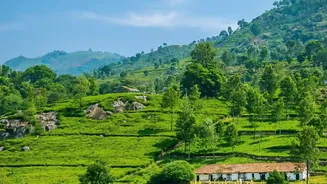
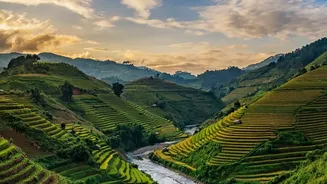
the region's unspoiled natural beauty offers a compelling alternative to more commercialized destinations. Travellers are increasingly drawn to its stunning scenery, which ranges from the snow-capped Himalayas in Arunachal Pradesh and Sikkim to the lush, grassy plains of Assam and the dense rainforests of Meghalaya. Improved road and air connectivity, coupled with a rising interest in eco-conscious and sustainable travel, has made the Northeast more accessible and appealing than ever. This shift is driven by a desire for slow, meaningful travel, where the goal is not just to see, but to experience and connect with nature.
Meghalaya: Where Nature and Ingenuity Intertwine
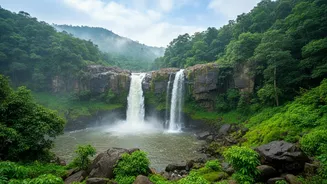
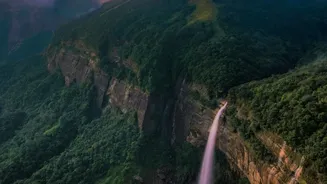
Meghalaya, the 'Abode of Clouds', serves as a perfect entry point into the region's natural wonders. It is most famous for its living root bridges, a breathtaking example of bio-engineering by the local Khasi and Jaintia tribes. These structures, woven from the roots of rubber fig trees, are a powerful symbol of living in harmony with nature. Beyond the famous bridges of Cherrapunji and Mawlynnong—once dubbed Asia's cleanest village—the state offers mist-covered valleys, powerful waterfalls like Nohkalikai Falls, and a network of some of the longest caves in Asia. The focus here is shifting from mere sightseeing to immersive experiences, with community-led initiatives encouraging tourists to stay longer, explore lesser-known trails, and understand the delicate ecosystem they are visiting.
High-Altitude Wonders and Spiritual Serenity
For those seeking mountain adventures, Sikkim and Arunachal Pradesh offer unparalleled experiences. Sikkim, India's first fully organic state, provides stunning views of Kanchenjunga, the world's third-highest peak. Its landscape is dotted with serene Buddhist monasteries like Rumtek, high-altitude glacial lakes such as Tsomgo Lake, and the vibrant Yumthang Valley, known as the 'Valley of Flowers'. Further east, Arunachal Pradesh, the 'Land of Dawn-Lit Mountains', is a frontier of spiritualism and raw natural beauty. Tawang Monastery, one of India's largest, sits against a backdrop of majestic Himalayan peaks. The state offers a wide range of activities for nature lovers, from trekking in remote valleys and rafting on mighty rivers to simply absorbing the tranquillity of its pristine environment.
Wildlife, Conservation, and Community
Northeast India is a globally recognized biodiversity hotspot, and wildlife tourism is a major draw. Assam's Kaziranga National Park, a UNESCO World Heritage Site, is home to the world's largest population of the one-horned rhinoceros. Safaris here offer a chance to see these magnificent creatures, along with elephants, tigers, and a vast array of bird species. But beyond the thrill of a safari, tourism in the region is increasingly linked to conservation. Many eco-tourism initiatives are managed by local communities, who act as guides and hosts. This model of community-based tourism ensures that revenue stays within the villages, creating a direct link between protecting the environment and generating sustainable livelihoods. It allows travellers to gain a deeper insight into local life while actively contributing to the preservation of the region's precious ecosystems.
The Path to Sustainable Exploration
The growing interest in Northeast India presents both a huge opportunity and a significant responsibility. The region's ecosystems are fragile, and its cultures are unique. As tourism grows, the focus must be on sustainability to avoid the pitfalls of over-commercialization seen elsewhere. Initiatives promoting homestays over large hotels, training local guides, and managing waste are crucial. State governments and local operators are increasingly promoting low-impact tourism, encouraging visitors to be responsible and culturally sensitive. For travellers, this means choosing operators who prioritize community benefits, respecting local customs, and leaving no trace. The future of tourism in the Northeast depends on this conscious approach, ensuring that its natural and cultural treasures can be enjoyed for generations to come.