





The One Foundational Change
Forget complicated diet charts and exotic ingredients. The single most impactful change you can make to your diet this monsoon is to prioritise light, warm, and freshly cooked meals. This simple principle is the cornerstone of seasonal wellness, rooted
in both ancient Ayurvedic wisdom and modern nutritional science. During the monsoon, the atmosphere is heavy with moisture, and our bodies often reflect this with a feeling of sluggishness. Your digestive system, or 'Agni' (digestive fire) in Ayurveda, naturally weakens. Shifting away from heavy, cold, and processed foods gives your gut the support it needs to function optimally, which in turn boosts your overall health and energy levels.
Why Your Digestion Needs Support
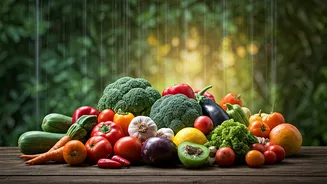
The damp, cloudy environment of the monsoon doesn't just affect your mood; it has a physiological impact. The humidity can slow down your metabolism and digestive processes. Heavy, oily, and fried foods, which we often crave during this weather, are much harder for a sluggish gut to break down. This can lead to common monsoon complaints like bloating, acidity, and indigestion. Furthermore, raw foods, such as salads and uncooked vegetables, can be risky. The high moisture content in the air increases the chances of bacterial and fungal growth on raw produce. Lightly steaming or stir-frying your vegetables makes them safer to eat and much easier for your body to digest, ensuring you get the nutrients without the digestive strain.
Strengthening Your Immunity from the Inside
A healthy gut is your body's first line of defence against infections. Approximately 70% of your immune system resides in your digestive tract. When your digestion is weak, your immunity is compromised, making you more susceptible to the coughs, colds, and stomach bugs that are rampant during the monsoon. By eating light and warm foods, you reduce the burden on your digestive system, allowing it to function efficiently. This helps maintain a healthy gut microbiome, which is crucial for a robust immune response. A warm bowl of soup, a simple dal, or a well-cooked vegetable stew not only provides comfort but also actively works to keep your internal defence system strong and ready to fight off seasonal illnesses.
Practical Swaps for Everyday Meals
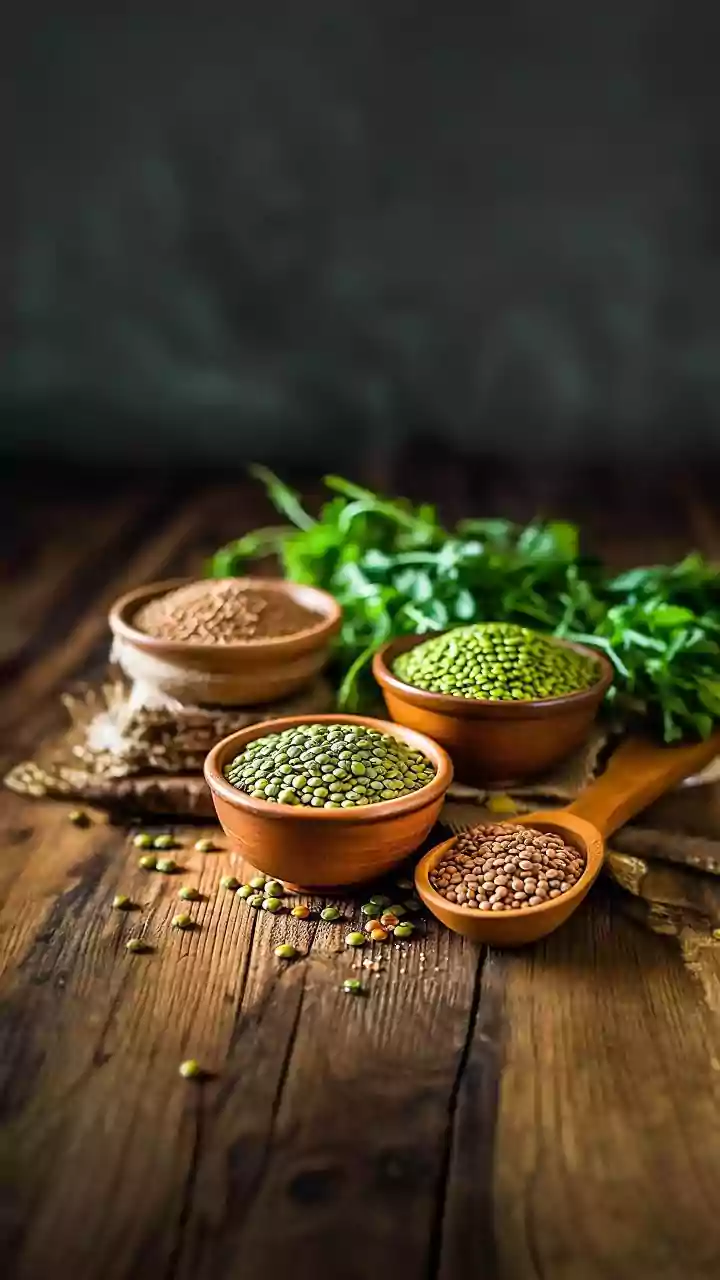
Implementing this change doesn't require a complete overhaul of your diet. It's about making smart, simple swaps. Instead of reaching for a plate of pakoras or samosas, try a warm bowl of steamed sweet corn (bhutta) with a dash of lime and salt. Swap your cold sandwich or raw salad for a hearty vegetable soup or a moong dal chilla. Instead of rich, creamy curries made with cashews or cream, opt for lighter, tomato-based gravies or simple stir-fried vegetables. Choose grains that are easy to digest, like aged rice, barley, and oats. Even your fluids matter. Instead of ice-cold drinks, sip on warm herbal teas or simply warm water throughout the day to aid digestion and keep your body hydrated and warm from within.
Harnessing the Power of Spices
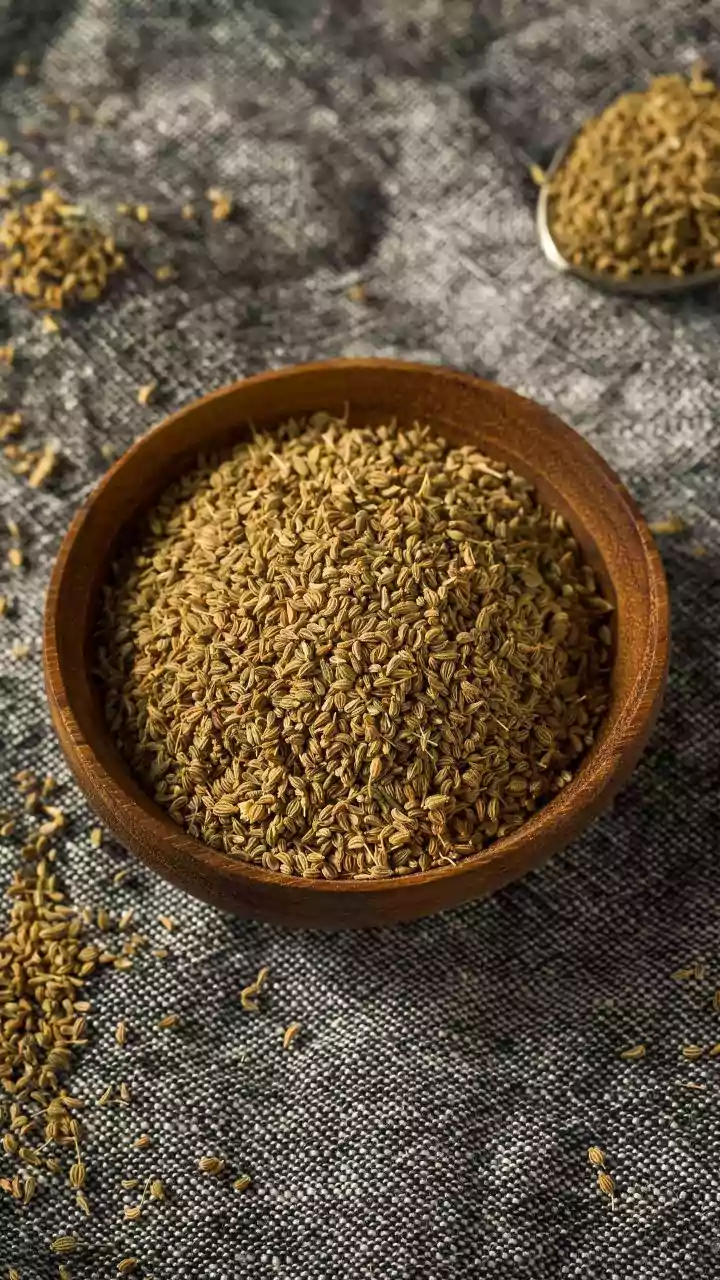
Your kitchen's spice box is your best ally during the monsoon. Traditional Indian spices are not just for flavour; they are packed with medicinal properties that are especially beneficial this season. Ginger is excellent for digestion and fighting respiratory infections. Turmeric is a potent anti-inflammatory and immunity booster. A pinch of black pepper helps in the absorption of nutrients and clears congestion. Asafoetida (hing) is brilliant for preventing gas and bloating. Cumin and coriander aid digestion and help detoxify the body. Incorporating these spices into your daily cooking—in your dal, vegetables, and soups—is an easy and delicious way to fortify your meals and give your digestive and immune systems the support they need to thrive.