

From the Locker to a Lifestyle
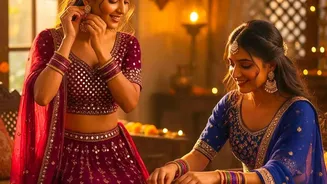
For generations, fine jewellery in India was primarily seen as an investment and a symbol of wealth, often worn only on the most special occasions and otherwise stored securely in a bank locker. Today, that perspective is shifting dramatically. A growing
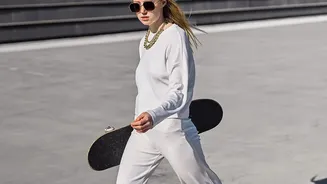
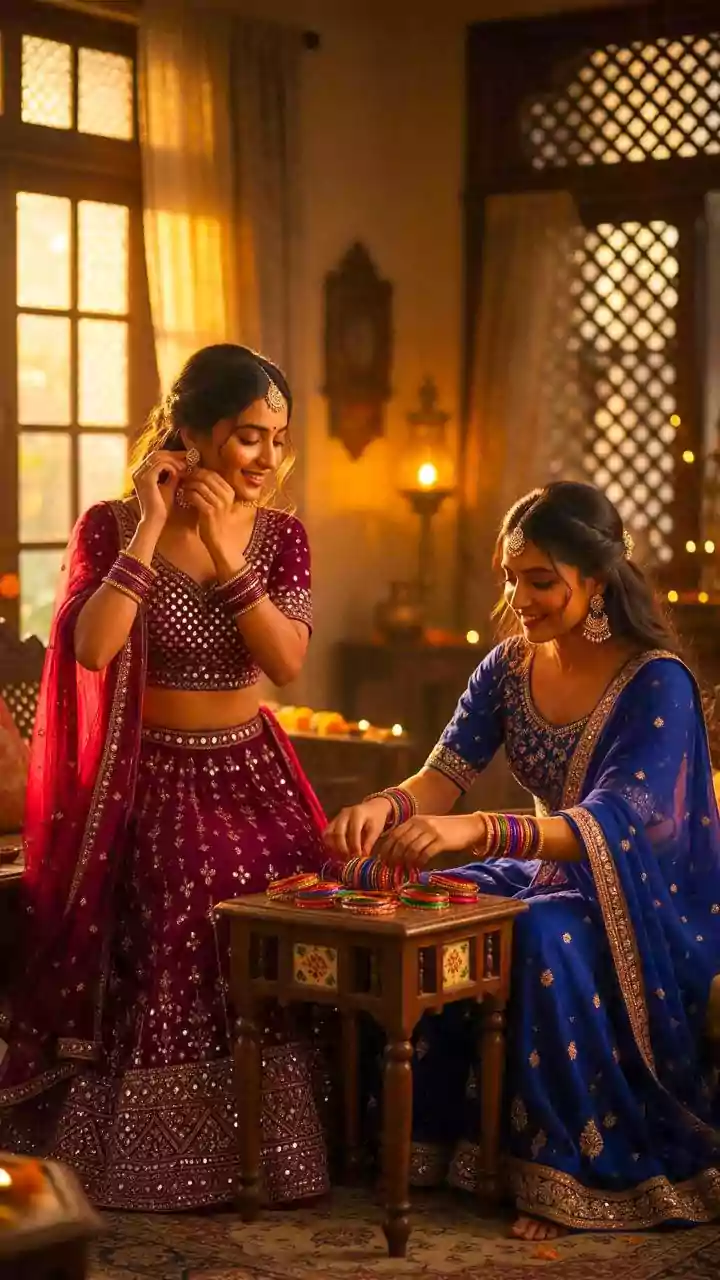
number of consumers, especially working professionals and younger buyers, view jewellery as a form of personal expression meant to be enjoyed daily. This has spurred a demand for pieces that are not just beautiful but also practical, comfortable, and versatile enough to transition from the office to an evening out. Jewellers are responding to this by creating collections that are lighter, more accessible, and designed to be worn, layered, and loved, rather than just owned. This change reflects a move from 'weight-based' purchasing to a focus on design, utility, and cost-per-wear.
The Art of Deconstruction
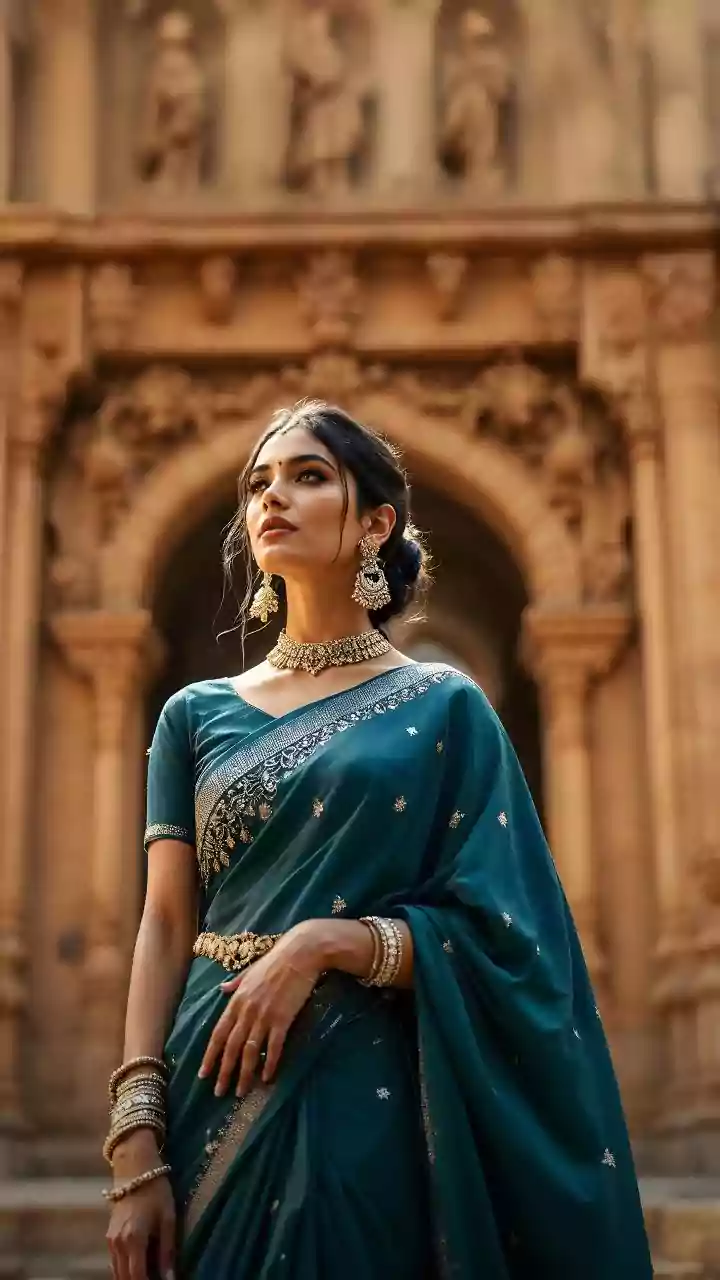
The magic of this new movement lies in how designers are reinterpreting age-old symbols. They aren't discarding tradition but are carefully deconstructing it. Motifs that are deeply woven into India's cultural fabric—like the paisley (or 'ambi'), the lotus, the peacock, and architectural elements from temple jewellery—are being given a modern, graphic makeover. Instead of dense, intricate patterns, designers are using clean lines, abstract outlines, and geometric shapes. A traditional temple jewellery motif might be simplified into a sleek pendant, or a classic paisley shape might be reimagined as a pair of minimalist studs. This approach preserves the cultural essence of the motif while making it feel fresh, contemporary, and aligned with global fashion sensibilities.
New Techniques and Materials
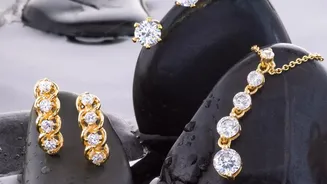
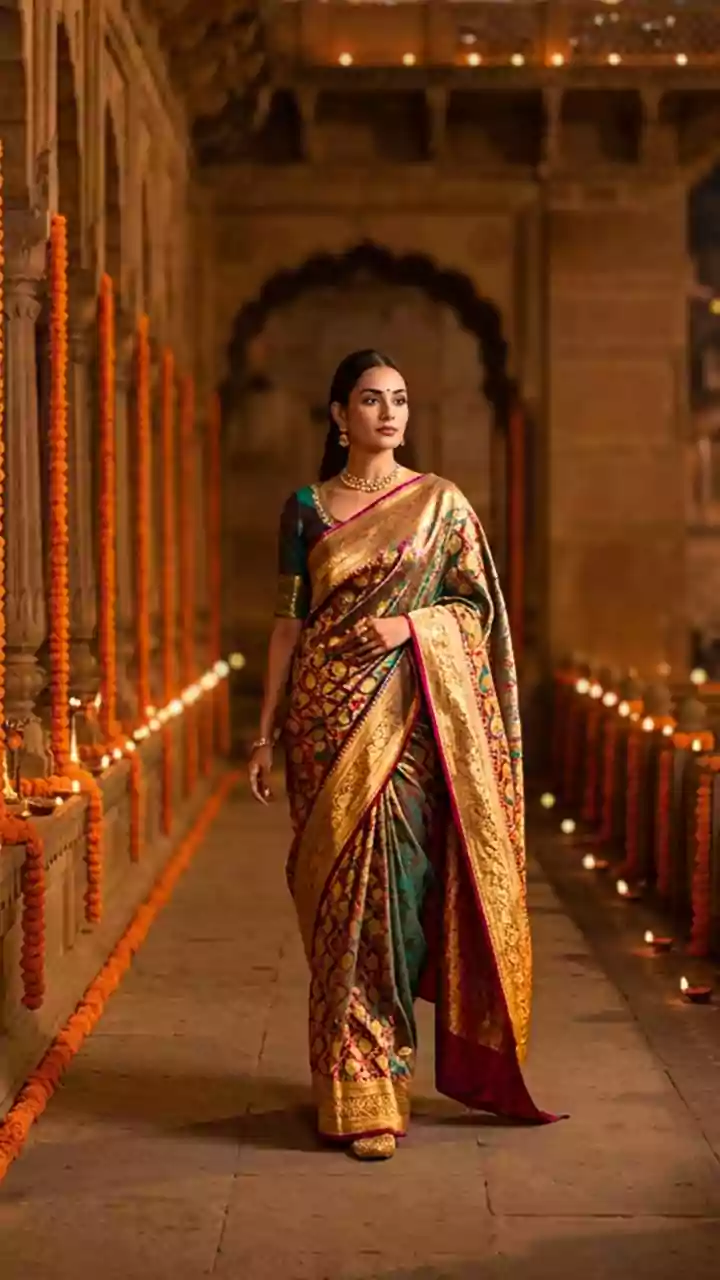
This evolution in design is made possible by innovations in craftsmanship and materials. Jewellers are experimenting with mixed-metal designs, lower-karat gold, and advanced techniques to create pieces that are lightweight without sacrificing quality. Techniques like enamel work ('Meenakari') are being used with more subtle, muted tones instead of just bold primary colours. Even heritage crafts like Kundan and Polki, known for their traditional heft, are being adapted into more wearable forms with streamlined settings and delicate diamond accents. The focus is on creating an illusion of grandeur and detail while ensuring the piece remains comfortable and practical for a modern lifestyle. This allows wearers to enjoy the richness of Indian craftsmanship every day.
A Style for Every Story
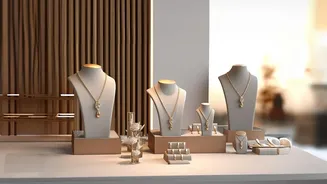
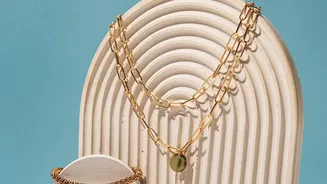
The rise of minimalist jewellery is also empowering women to tell their own style stories through layering and stacking. Instead of one overpowering necklace, the trend is to combine multiple delicate chains of varying lengths. Similarly, stackable rings and bracelets allow for a customized look that can be built up or pared down depending on the occasion. This modular approach gives jewellery a new level of personality and versatility. It encourages mixing and matching, blending classic family heirlooms with contemporary purchases to create a look that is entirely unique. The focus has shifted from wearing a 'set' to curating a personal collection that reflects individual taste and life milestones.