




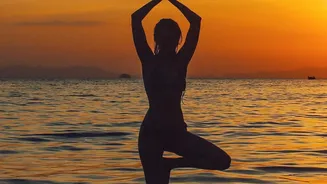
Yoga: The Inward Journey of Breath
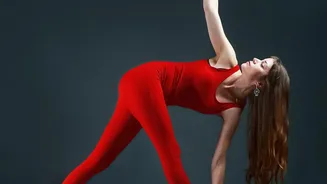
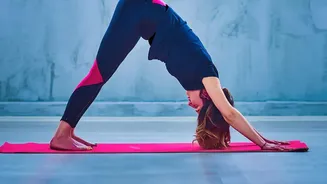
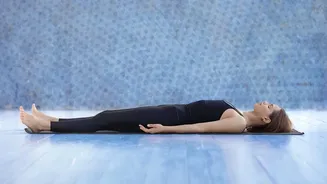
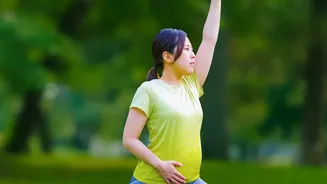
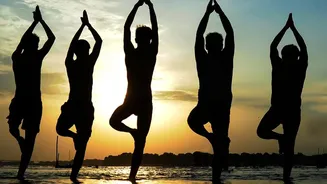
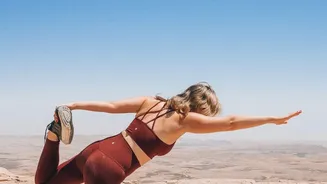
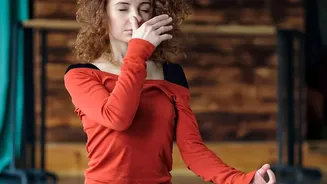
At the heart of yoga is 'pranayama', the conscious control of breath. This isn't just about inhaling and exhaling; it's a sophisticated practice designed to regulate your life force, or 'prana'. The goal is to turn your awareness inward, using slow, deliberate
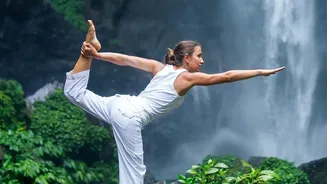
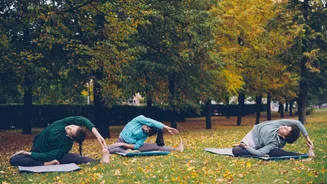
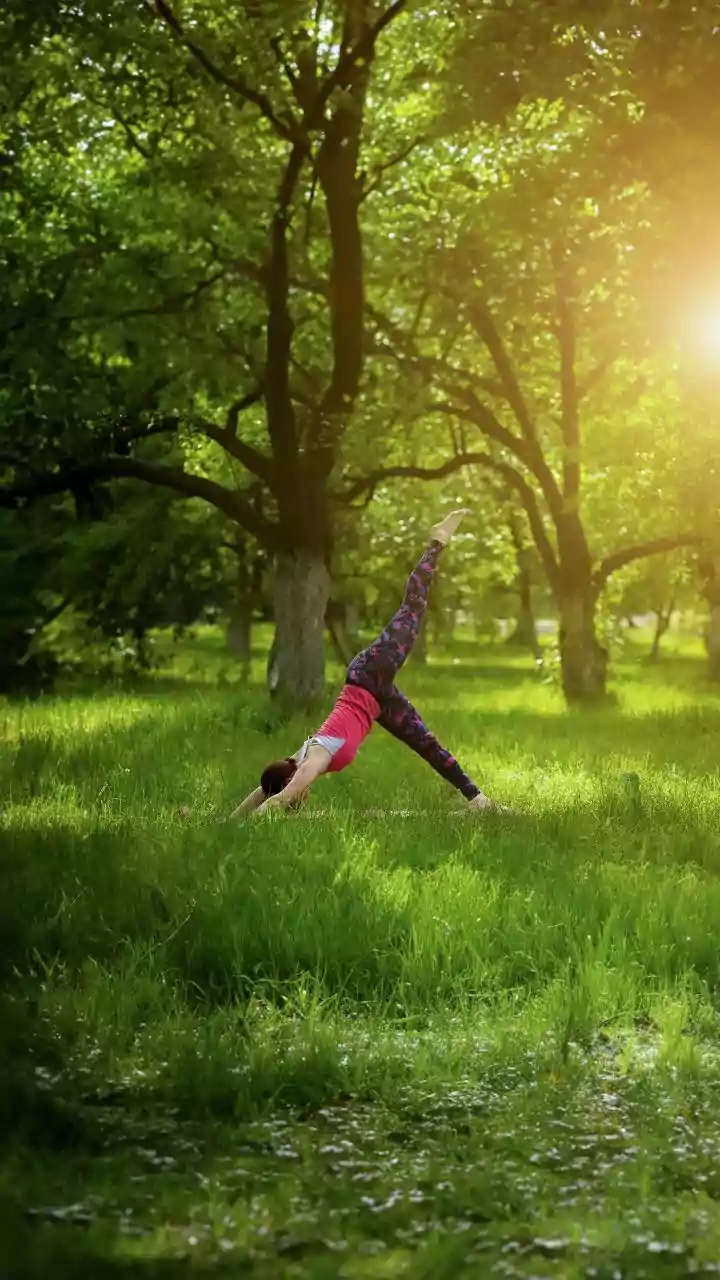
breathing to quiet the mental chatter and stabilise the nervous system. By synchronising breath with physical postures (asanas), yoga becomes a moving meditation. The focus is not on what the pose looks like, but on the internal experience—the stability, the stillness, and the focused mind that the breath helps to cultivate. This practice promotes a state of calm and prepares the mind for deeper states of concentration and meditation.
Dance: The Outward Expression of Emotion
If yoga is an inward journey, dance is a joyful, outward expression. It uses movement to tell stories, release emotions, and connect with music and community. While some dance forms have strict choreography, many styles, particularly 'conscious dance', encourage freeform, intuitive movement. The goal here is not introspection through stillness, but catharsis through motion. Dancers often speak of 'letting go' or achieving a state of flow where movement becomes a channel for feelings that words can't capture. It’s a way to process joy, grief, and everything in between, transforming stuck energy into liberating expression.
Physical Benefits: Stability vs. Stamina
Both practices build incredible physical prowess, but with different emphasis. Yoga is renowned for developing balanced strength, flexibility, and stability. Holding postures builds muscular endurance and integrity, while the focus on alignment improves posture and can help prevent injury. Dance, on the other hand, often provides a more significant cardiovascular workout. The continuous, dynamic movements build stamina, coordination, and aerobic fitness. While a fast-paced Vinyasa yoga class can certainly raise your heart rate, the core emphasis of most yoga remains on deliberate, controlled strength rather than sustained cardio.
Mental Goals: Mindfulness vs. Catharsis
Mentally, the two disciplines offer different kinds of release. Yoga's regulated breathing is designed to activate the parasympathetic nervous system, our 'rest and digest' mode, which helps to lower stress hormones and calm the mind. The objective is to achieve a state of mindful awareness and emotional equilibrium. Dance often provides a more energetic emotional release. The act of moving freely to music can trigger a flood of endorphins, boosting mood and offering a powerful antidote to distressing thoughts. It allows for a feeling of liberation and emotional clearing, a way of quite literally 'dancing it out'.
The Beautiful Intersection
Despite their differences, yoga and dance are not mutually exclusive; in fact, they beautifully complement each other. Many dancers use yoga to improve flexibility, prevent injuries, and find a sense of inner calm away from the pressure of performance. Likewise, the worlds of yoga and dance have blended in hybrid forms like 'Yogadance', which fuses asanas with expressive, fluid movement and breathwork. Both practices ultimately share a common ancestor in the desire to connect mind and body, to move with intention, and to experience a deeper sense of presence and aliveness.