







1. Prioritise Real, Whole Foods
Forget counting every calorie or obsessing over macronutrient ratios. The single most impactful shift you can make is to prioritise whole foods. These are foods that are as close to their natural state as possible: think fresh vegetables and fruits, lean
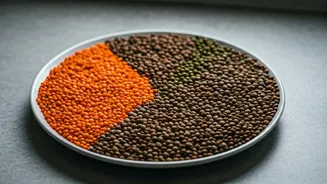
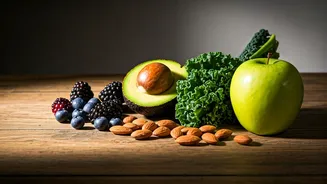
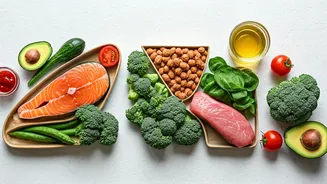
meats, fish, eggs, legumes like dal and chickpeas, nuts, and whole grains like brown rice and oats. Processed foods are often engineered to be hyper-palatable, packed with added sugar, unhealthy fats, and sodium, while being stripped of essential nutrients like fibre and vitamins. By building your meals around whole foods, you naturally consume more nutrients, feel fuller for longer, and reduce your intake of ingredients that don't serve your health. A simple rule of thumb: if it grew on a plant or came from an animal, it’s a great start. If it was made in a plant, approach it with caution.
2. Make Plants the Star of Your Plate
This doesn't mean you have to become a vegetarian or vegan, but it does mean shifting your perspective. Instead of seeing meat as the main event with vegetables as a small side, aim to make plants the star. Aim for half your plate to be filled with a colourful variety of vegetables at lunch and dinner. Different colours signify different phytonutrients and antioxidants, so eating a rainbow of produce—leafy greens, red bell peppers, purple cabbage, orange carrots—ensures you get a wide spectrum of health-protective compounds. Plant-based foods are also our primary source of dietary fibre, which is crucial for digestive health, stabilising blood sugar levels, and promoting a feeling of fullness. Adding more lentils, beans, and seasonal vegetables to your curries, stir-fries, and salads is an easy and delicious way to start.
3. Listen to Your Body’s Cues
For generations, we were taught to clean our plates. But one of the smartest eating skills is learning to listen to your body’s internal signals of hunger and fullness. This is often called mindful eating. Before you eat, take a moment to ask yourself, 'Am I truly hungry?' Eat slowly, savouring the flavours and textures of your food. Put your fork down between bites. This gives your brain, which is about 20 minutes behind your stomach, time to register that you are full. Eating until you are comfortably satisfied, not stuffed, is key. This practice helps prevent overeating, improves digestion, and reconnects you with the simple pleasure of nourishment, transforming meals from a race to a ritual.
4. Embrace Consistency, Not Perfection
The all-or-nothing mindset is the enemy of a healthy lifestyle. You don't have to be perfect to be healthy. The '80/20 rule' is a great mental model here: focus on making nutritious, whole-food choices 80% of the time, and allow yourself the flexibility for treats, celebrations, and your favourite indulgences the other 20% of the time. One 'off' meal doesn't ruin your week. This approach prevents the cycle of restriction, craving, and guilt that plagues so many diets. It makes healthy eating a sustainable, long-term part of your life rather than a temporary punishment. Life includes birthdays, festivals, and evenings out with friends. Smart eating accommodates real life, making it a joyful and permanent habit.
5. Hydrate Intelligently
Often, we mistake thirst for hunger. Before reaching for a snack, try drinking a glass of water and waiting 15 minutes. Proper hydration is fundamental to every bodily function, from metabolism and energy levels to brain function and skin health. While water is always the best choice, unsweetened tea, coconut water, or nimbu paani (without excess sugar) are also great options. The smartest move is to drastically reduce or eliminate sugary drinks like sodas, packaged juices, and sweetened coffees. These 'liquid calories' offer no nutritional value, don't make you feel full, and contribute significantly to weight gain and blood sugar spikes. Keep a water bottle with you throughout the day as a constant reminder to sip.