

Why the Sheet Pan Is Your Best Friend
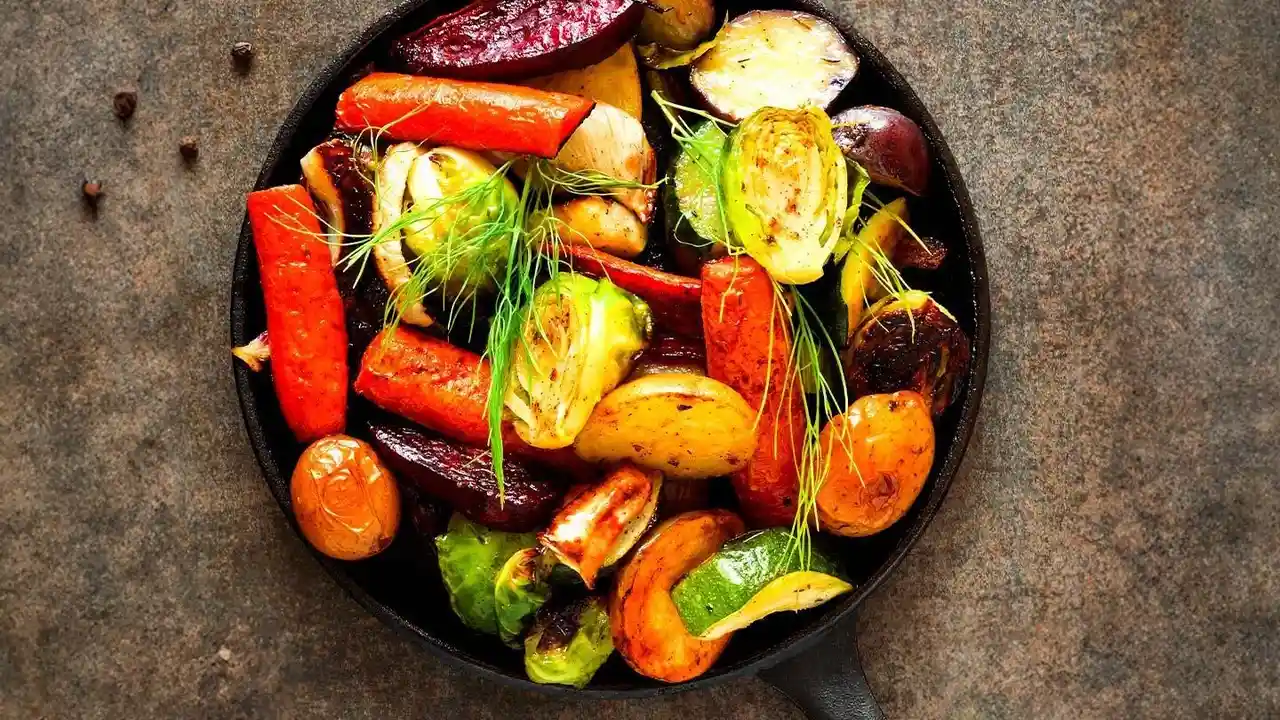
The magic of a one-pan meal lies in its simplicity and the science of roasting. By cooking everything on a single sheet pan, you not only guarantee minimal cleanup but also maximize flavour. High oven heat caramelizes the natural sugars in vegetables,
creating deeply browned, crispy edges and tender interiors that steaming or boiling can't replicate. This method concentrates flavours rather than diluting them. All your ingredients—vegetables, proteins, and seasonings—roast together, allowing their tastes to meld into a cohesive and delicious dish. It’s an efficient technique that delivers impressive results with very little active cooking time, freeing you up to unwind after a long day.
Choosing the Right Vegetables
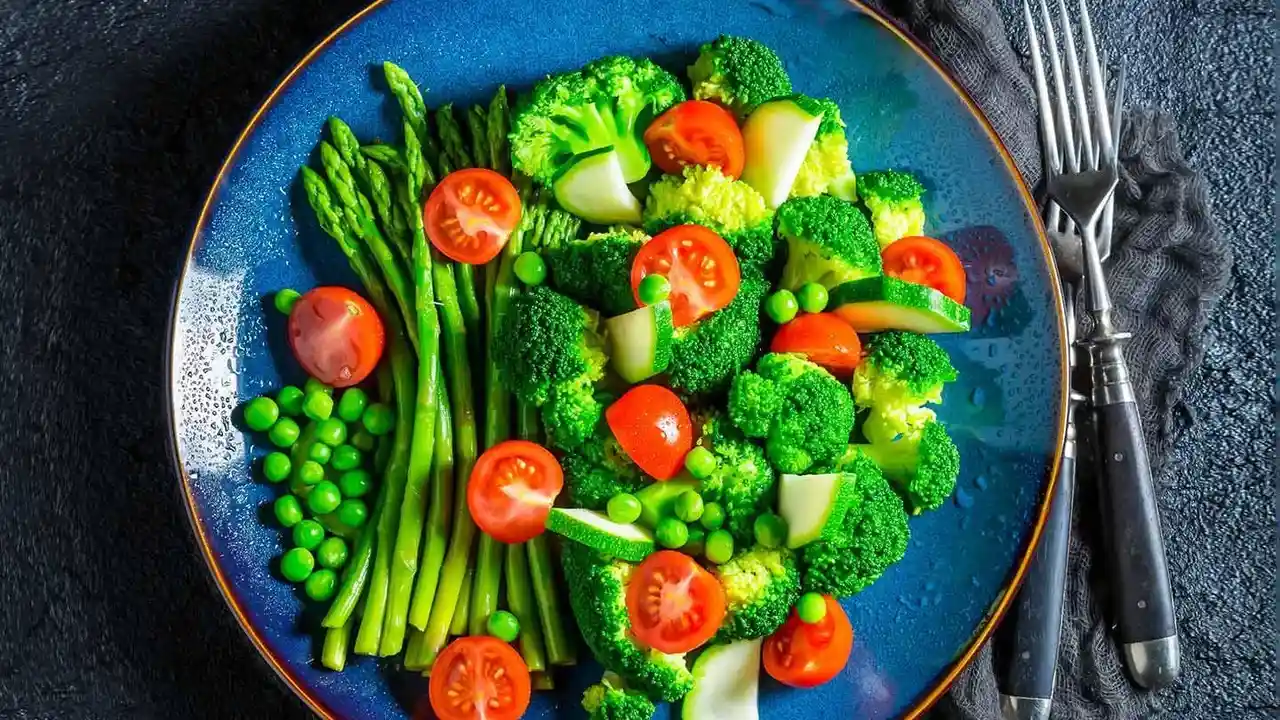
Success starts with selecting the right mix of vegetables and understanding their different cooking times. For the best texture, not all vegetables should be added to the pan at once. Hard, dense root vegetables like potatoes, sweet potatoes, carrots, and butternut squash need a head start. They typically require 30-40 minutes of roasting time. Mid-range vegetables such as broccoli, cauliflower, bell peppers, and onions cook faster, usually within 20-30 minutes. Softer, high-moisture vegetables like zucchini, summer squash, asparagus, and cherry tomatoes need the least amount of time, often just 10-15 minutes, and should be added toward the end to prevent them from becoming mushy.
Mastering the Art of Seasoning
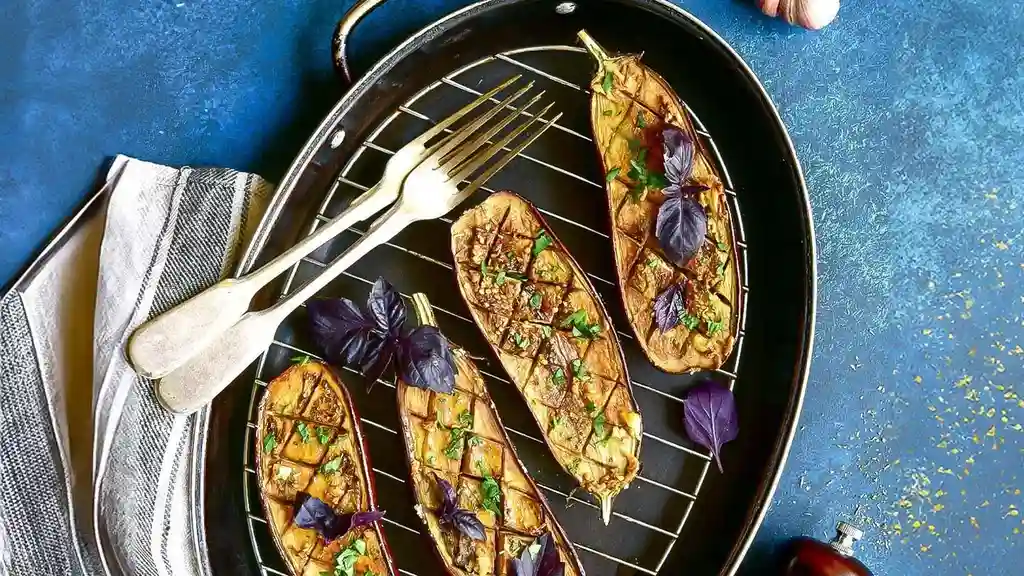
Proper seasoning is what elevates a simple tray of roasted vegetables from bland to brilliant. The foundation is simple: a generous coating of olive oil, kosher salt, and freshly ground black pepper. Tossing the vegetables in a separate bowl before spreading them on the pan ensures every piece is evenly coated. From there, the possibilities are endless. For an Italian flair, use oregano and basil. Cumin and smoked paprika can create a warm, smoky flavour profile. Don't be afraid to experiment with spice blends like Cajun, Greek, or herbes de Provence to match your mood. For a final burst of freshness, a squeeze of lemon juice or a sprinkle of fresh herbs like parsley or basil after the pan comes out of the oven can make all the difference.
Technique Is Everything: Avoid the Sog
The single most important rule for crispy, roasted perfection is to not overcrowd the pan. When vegetables are packed too tightly, they trap moisture and steam instead of roasting, resulting in a soggy texture. If necessary, use two sheet pans to give everything enough space to breathe. Another key is to roast at a high temperature, typically between 400°F and 425°F (200°C-220°C). This high heat helps drive off moisture quickly, promoting browning. Finally, cutting your vegetables into uniform, bite-sized pieces ensures they cook evenly. Tossing or stirring the vegetables once, halfway through cooking, also helps all sides get nicely caramelized.
Making It a Complete Meal
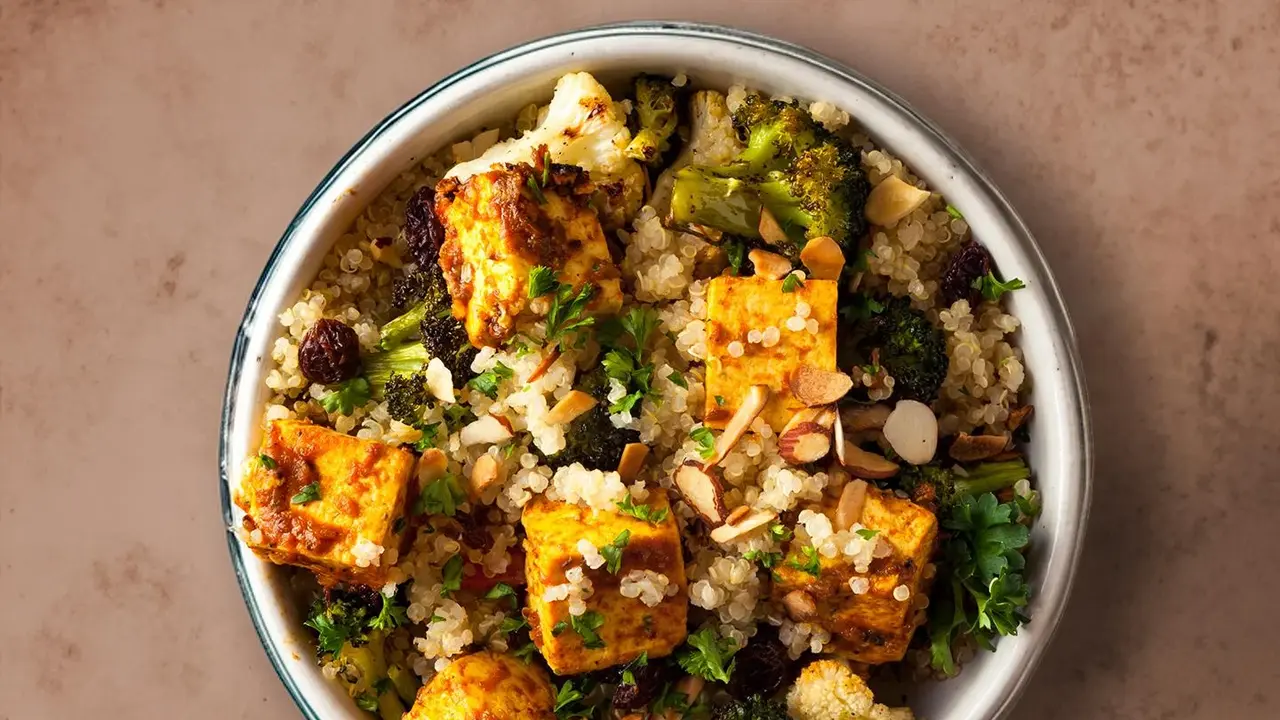
While a pan of roasted vegetables is delicious on its own, adding a protein and a starch can easily turn it into a complete, satisfying dinner. Plant-based proteins like chickpeas are a fantastic addition; they become wonderfully crispy and nutty in the oven. You can toss them with the vegetables right from the start. Other options include adding smoked sausage, chicken thighs, or salmon. When using quicker-cooking proteins like fish or shrimp, add them to the pan during the last 10-15 minutes of cooking. To serve, you can pile the roasted mixture over a bed of quinoa, couscous, or rice, or serve with a dollop of hummus or yogurt for a creamy contrast.