



We all want to get the most from our healthy food choices. But what if the way you prepare your vegetables is just as important as which ones you eat? Let's settle the kitchen debate for two common staples: carrots and spinach.
Beyond Raw: The Cooking Advantage
The long-held belief that
'raw is always better' isn't the full story. While some vegetables do lose certain nutrients when heated, cooking can also break down tough plant cell walls, making other beneficial compounds more available for your body to absorb. This concept is called bioavailability. For both carrots and spinach, applying heat in the right way can transform their nutritional profile, sometimes making them even healthier than when they are raw. The key is understanding which nutrients are affected and choosing the best cooking method for the job.
Carrots: Unlocking Beta-Carotene
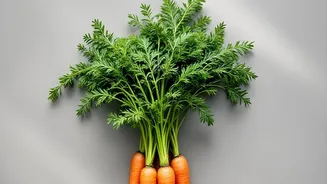
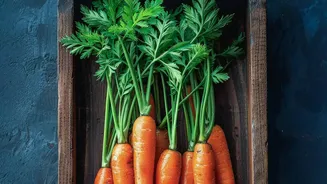
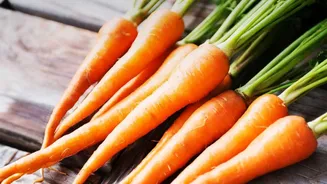
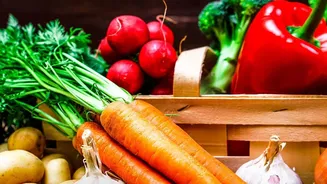
Carrots are famous for beta-carotene, a powerful antioxidant that your body converts into vitamin A. This nutrient is crucial for vision, immune function, and skin health. When you eat a raw carrot, its beta-carotene is trapped within rigid cellulose walls. Your digestive system struggles to break these down completely, meaning much of the nutrient passes through unabsorbed. However, cooking works wonders here. Studies show that heating carrots—whether by steaming, baking, or sautéing—helps break down these cell walls, significantly increasing the amount of beta-carotene your body can use. In fact, some research suggests cooking can boost absorption several times over. For an extra advantage, add a little healthy fat like olive oil; since beta-carotene is fat-soluble, this helps your body absorb it even more effectively.
The Carrot Trade-Off
While cooking is a clear winner for beta-carotene, there is a trade-off. Carrots also contain water-soluble vitamins like vitamin C and B vitamins, which are sensitive to heat and can be lost during cooking, especially boiling. Boiling can also reduce levels of falcarinol, a compound that has been studied for its health benefits. To get the best of both worlds, methods that use less water and shorter cooking times, like steaming, microwaving, or roasting, are ideal. Ultimately, including both raw and cooked carrots in your diet ensures you get a wide range of their benefits.
Spinach: The Oxalate Obstacle
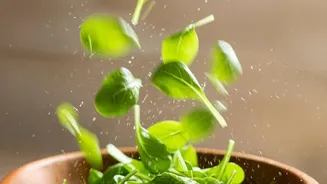
Spinach is a nutritional powerhouse, packed with iron, calcium, and vitamins. However, raw spinach also contains a high concentration of oxalic acid, or oxalates. These compounds bind to minerals like iron and calcium in the gut, preventing your body from absorbing them effectively. This is why, despite being high in these minerals on paper, much of their benefit is locked away when you eat spinach raw. For those prone to certain types of kidney stones, high intake of raw spinach can be a concern. This is where cooking comes to the rescue.
Cooking Spinach for Mineral Absorption
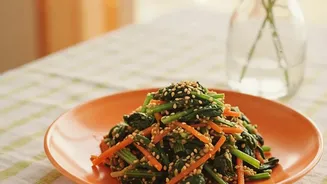
Heating spinach is the most effective way to reduce its oxalate content. Cooking breaks down the oxalic acid, freeing up the iron and calcium for absorption. Steaming or briefly blanching spinach can slash oxalate levels significantly, making nutrients like vitamins A and E, iron, and zinc more bioavailable. However, just like with carrots, there's a downside. Water-soluble vitamins like vitamin C and folate are sensitive to heat and can leach into the cooking water. Boiling is particularly damaging in this regard, potentially causing a major loss of these delicate nutrients. Therefore, a quick steam or sauté is a better choice than prolonged boiling. To further boost iron absorption, try adding a source of vitamin C, like a squeeze of lemon juice, after cooking.