







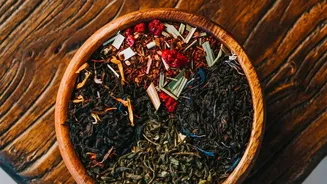
Meet Nilgiri: The 'Blue Mountain' Brew
Before it became a trendy cold brew, Nilgiri tea was one of India's best-kept secrets, often overshadowed by its more famous cousins, Assam and Darjeeling. Grown in the stunningly beautiful Nilgiri Hills, or 'Blue Mountains,' of Southern India, this tea benefits
from high altitudes and two distinct monsoon seasons. This unique environment produces a tea that is exceptionally aromatic, fragrant, and brisk. Unlike the bold, malty notes of Assam or the complex fruitiness of Darjeeling, Nilgiri black tea offers a balanced, medium-bodied flavor profile with delicate floral and citrus notes. Its naturally sweet, mellow character and smooth finish make it an ideal candidate for preparations where the pure flavor of the leaf is meant to shine. While traditionally processed as a black tea, some estates also produce green and oolong varieties.
The Gentle Art of Cold Brewing
The magic of this trend lies in its preparation. Cold brewing is a simple, patient process that involves steeping tea leaves in cold water for an extended period—typically 8 to 12 hours. This gentle infusion works wonders on Nilgiri tea. Unlike hot brewing, which can extract tannins and catechins that cause bitterness and astringency, cold brewing coaxes out the tea's subtler, smoother flavors. The result is a drink that is naturally sweeter, less acidic, and incredibly smooth, with a clean, crisp finish. This method eliminates the need for the heaps of sugar often used to mask the bitterness in traditional iced tea, allowing the nuanced floral and fruity notes of the Nilgiri leaves to take center stage. The process also results in a beverage with about half the caffeine of its hot-brewed counterpart, making it a perfect all-day refresher.
A Wellness Win in Every Glass
Beyond its superior taste, cold-brewed Nilgiri tea is a powerhouse of wellness benefits, aligning perfectly with the modern consumer's desire for functional beverages. First and foremost, it's a nearly zero-calorie drink, making it an excellent alternative to sugary sodas and juices. Nilgiri tea is packed with antioxidants like flavonoids and polyphenols. These compounds help protect the body's cells from damage, and research suggests they may support heart health and reduce the risk of certain chronic diseases. The antioxidants in Nilgiri tea may also help boost metabolism, which can aid in weight management. Furthermore, the tea contains L-theanine, an amino acid known for promoting a sense of calm and mental focus without the jitteriness associated with coffee.
Championed by Modern Artisans
The rise of cold-brewed Nilgiri tea isn't just about what's in the glass; it's about a broader movement toward craft and quality in the beverage world. Artisanal coffee shops and specialty tea purveyors are embracing it as a premium, non-alcoholic option that mirrors the complexity of specialty coffee or craft beer. They emphasize the importance of single-origin leaves, terroir, and minimal processing—all qualities that Nilgiri tea boasts. By championing this specific tea and brewing method, these artisans are educating consumers to appreciate the subtle differences in tea varieties and preparation styles. This shift moves tea from a simple commodity to a craft product, inviting a new level of appreciation and creating a space for sophisticated, healthy, and genuinely delicious beverages to thrive.