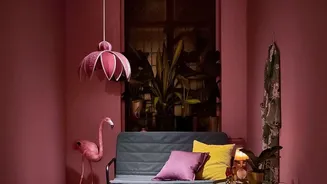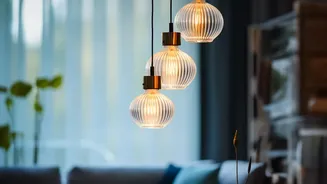



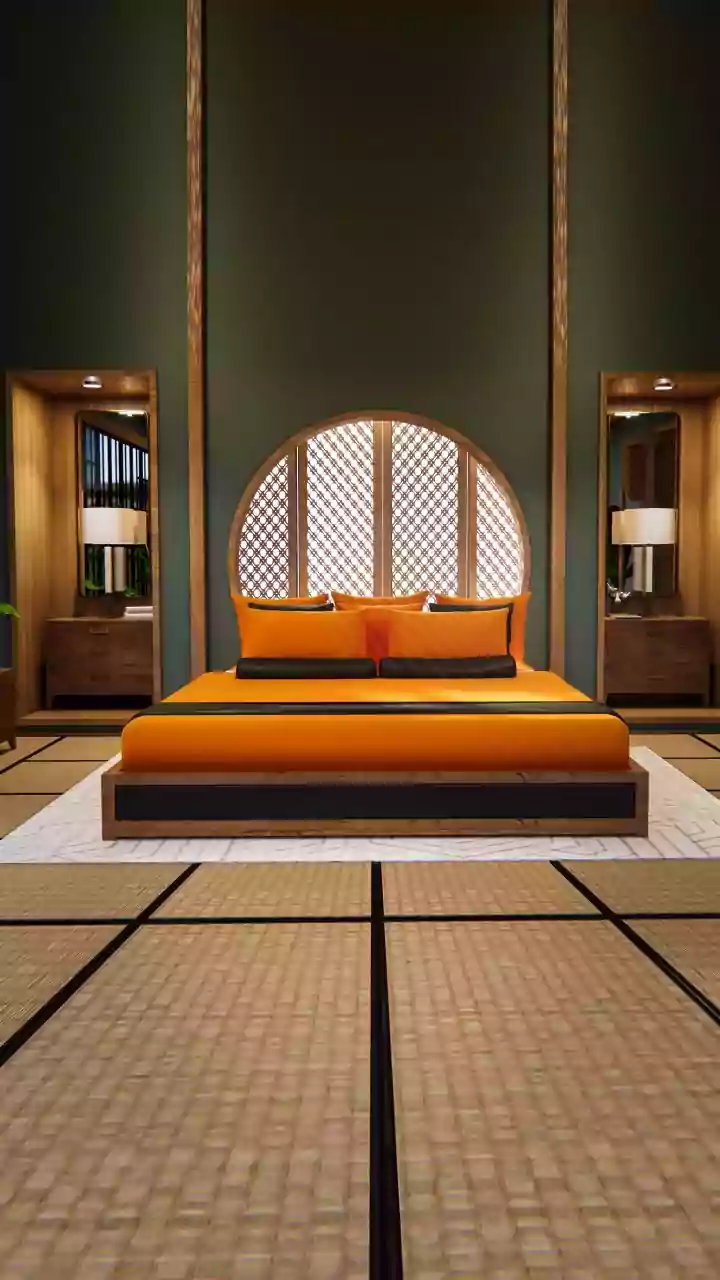
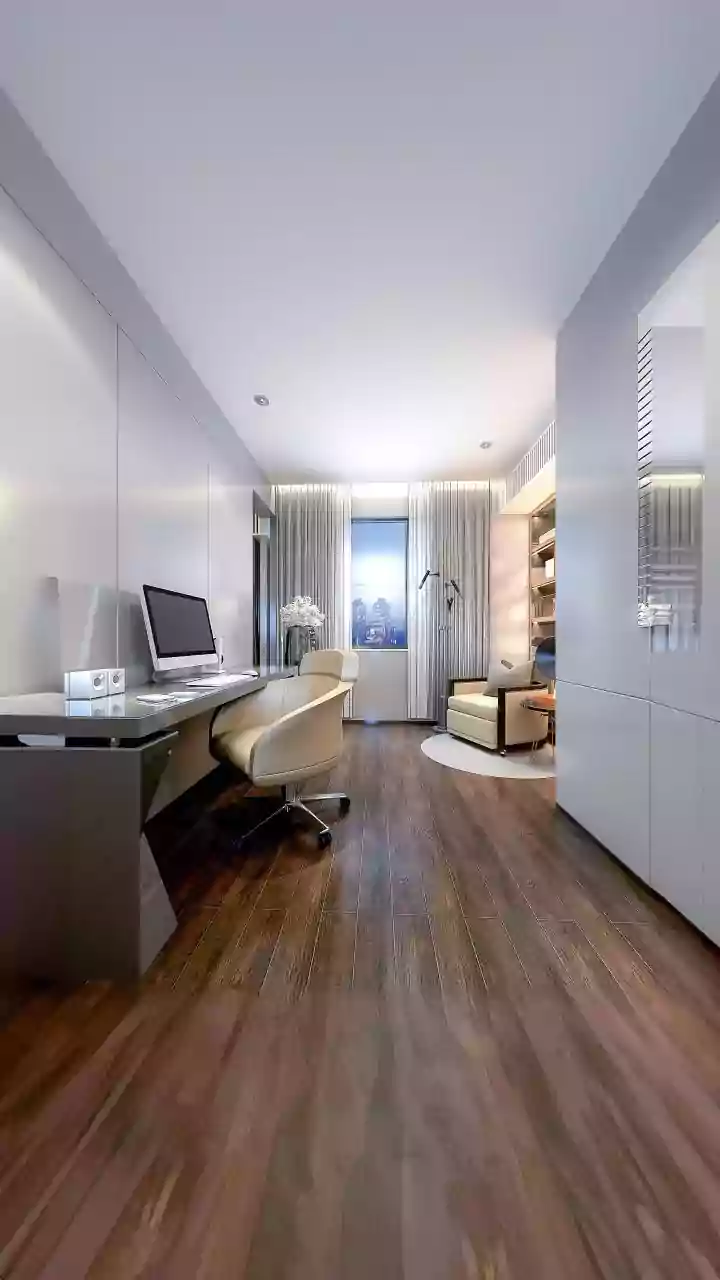
What is Slow Decorating?
Slow decorating is the intentional and gradual curation of a home. It stands in direct opposition to the fast-fashion approach of buying trendy, mass-produced items to fill a space quickly. Stemming from the 'Slow Living' philosophy that began in Italy
in the 1980s as a response to fast food, this trend prioritises quality over quantity, sustainability, and personal meaning. Instead of rushing to complete a room, you allow it to evolve organically. The goal isn't to replicate a showroom but to create a deeply personal space that tells your story through thoughtfully collected pieces. This approach is particularly resonant in India, where homes have traditionally valued function, comfort, and objects with history. It’s a return to the idea that a home should hold stories, not just stuff.
The Central Question: Function First
The most revolutionary part of slow decorating is that it begins with a period of observation, not shopping. Before you decide on a paint colour or a new sofa, the trend encourages you to simply live in the space and learn its rhythms. The fundamental design question becomes: how is this space actually being used day-to-day? Where does the morning light fall? Which corner becomes a natural drop-zone for keys and bags? Where does the family gather, and which chair does nobody ever sit in? By ignoring functionality, you risk creating a beautiful space that doesn't work for your lifestyle. Answering these questions first ensures that your design choices will solve problems and enhance your life, rather than just look good for a moment.
How to 'Read' Your Room
Learning to read your room is a practice in mindfulness. Start by resisting the urge to fill every empty corner immediately. For the first few weeks in a new space, or when rethinking an old one, simply notice. Keep a small journal or use your phone to jot down observations about traffic flow, clutter hotspots, and lighting changes throughout the day. Use painter's tape on the floor to mark out potential furniture sizes and live with the outlines for a few days to see how they feel. This process helps you avoid common mistakes like buying a rug that's too small or a bookshelf for a wall that gets too much traffic. This patient observation phase informs every decision, making them more intentional and less likely to be regretted. It’s about letting the home tell you what it needs before you impose your will upon it.
Building a Home Over Time
A slowly decorated home feels collected, not bought. It’s layered with meaning. That might include a handcrafted piece from a local artisan, a vintage find from a market, or a family heirloom. This approach has several key benefits. Firstly, it is more sustainable, as it encourages buying fewer, better things that are made to last. Secondly, it is often more budget-friendly, as it spreads costs over time and reduces impulse purchases that end up as clutter. Finally, it allows your personal style to develop and mature. Instead of committing to a single, fleeting trend, you give yourself the freedom to discover what you truly love. The result is a timeless space that reflects your journey and personality in a way that a quickly assembled room never can.
Beyond Aesthetics: A Mindful Approach
Ultimately, slow decorating is about improving your well-being. An uncluttered, intentional space can reduce stress and improve mental clarity. By filling your home only with things you find beautiful, useful, or meaningful, you create a sanctuary that supports and nurtures you. This is especially relevant in modern Indian homes, where urban life can be chaotic and spaces often need to serve multiple functions. Creating visual silence and focusing on natural, tactile materials like wood, cotton, and ceramic can bring a sense of calm and rootedness. It transforms the home from a mere setting into an active participant in a more mindful, balanced life.