






The Mesmerising Baspa River
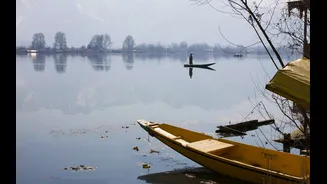
The heart and soul of Sangla Valley is the Baspa River, which flows through its entire length. This fast-flowing river, a tributary of the Sutlej, is flanked by towering mountains, lush pine and oak forests, and verdant meadows. Its crystal-clear waters,
which originate from the surrounding glaciers, create a serene atmosphere perfect for riverside picnics or quiet contemplation. For the more adventurous, the river offers opportunities for trout fishing, as it is known for its abundant fish population. The contrast of the rushing water against the tranquil green landscape makes the Baspa River a constant, captivating presence throughout the valley.
Charming Villages and Unique Culture
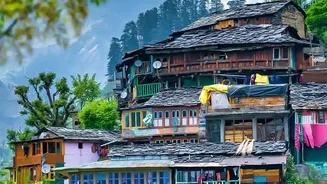
The valley is dotted with picturesque villages that seem frozen in time. Places like Batseri, Rakcham, and the famous Chitkul—often called the last inhabited village near the Indo-Tibetan border—offer a glimpse into the unique Kinnauri way of life. These villages are characterized by their traditional wooden houses, built in the distinct Kath-Kuni architectural style, often with intricately carved facades. A visit to the ancient Kamru Fort, a tower-like structure that now serves as a temple to Goddess Kamakhya, provides panoramic views and a deep dive into the region's history. The blend of Hindu and Buddhist influences is palpable in the temples and monasteries scattered across the valley.
Bountiful Apple Orchards and Forests
Sangla Valley is renowned for its sprawling apple orchards. In spring, these orchards are a sea of delicate pink and white blossoms, while autumn sees them laden with ripe, red apples. A walk through these terraced farms is a sensory delight, and many farmers welcome visitors to taste the crisp fruit right from the tree. Beyond the orchards, the valley slopes are covered in dense forests of cedar, pine, and birch, creating a rich green carpet that extends up the mountainsides. This lush vegetation offers numerous trails for gentle hikes and nature walks, allowing visitors to immerse themselves completely in the pristine environment.
A Haven for Adventure and Tranquility
While Sangla is a paradise for those seeking peace, it also caters to adventure enthusiasts. The valley serves as the endpoint for challenging treks like the Rupin Pass, and the starting point for others, making it a hub for trekkers. The varied terrain offers everything from gentle riverside walks to strenuous mountain hikes. Activities like camping, particularly in an apple orchard, are popular ways to experience the valley's natural beauty up close. For thrill-seekers, there are even opportunities for white-water rafting and kayaking on the Baspa River, providing an adrenaline rush amidst the stunning scenery.
The Last Frontier: Chitkul Village
No trip to Sangla Valley is complete without a visit to Chitkul. At an altitude of about 3,450 meters, it is the highest village in the valley and holds a special allure as the last point of civilization before the Tibetan border. The journey to Chitkul itself is spectacular, with the road winding alongside the Baspa River. The village is known for its traditional wooden homes, a beautiful temple dedicated to a local goddess, and its tranquil, almost ethereal atmosphere. Surrounded by snow-capped peaks and lush meadows, Chitkul offers a profound sense of remoteness and an unparalleled connection to the high Himalayas.
Planning Your Visit
The journey to Sangla is an adventure in itself, typically undertaken by road from Shimla, which has the nearest major airport and railway station. The drive is scenic, passing through winding mountain roads and deep gorges. The best time to visit is generally from April to June and from September to October. During these periods, the weather is pleasant, the roads are accessible, and the valley is in full bloom or autumnal splendour. The monsoon months (July-August) can bring landslides, while heavy winter snow (December-February) can block access, transforming the valley into a secluded winter wonderland.