


The Protein Puzzle for Muscle Growth
Building muscle isn't just about lifting weights; it's about recovery and repair. This process, called muscle protein synthesis, relies on protein. Proteins are made of amino acids, nine of which are 'essential' because our bodies can't produce them.
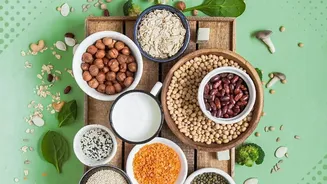
Complete proteins contain all nine. While animal products are complete proteins, most plant-based sources are 'incomplete', meaning they lack one or more essential amino acids. However, this isn't a dead end. By combining different protein sources throughout the day, vegetarians can easily create a complete amino acid profile to fuel muscle development effectively. The goal for active individuals is to consume roughly 1.6 to 2.2 grams of protein per kilogram of body weight daily.
Your Power Trio: A Nutritional Breakdown
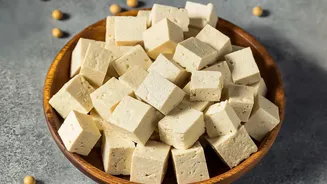
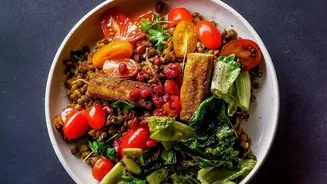
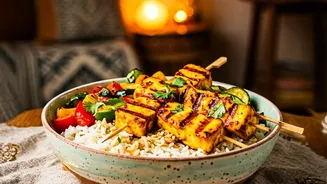
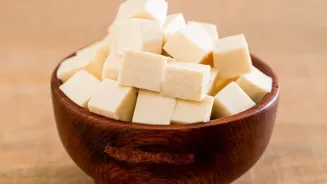
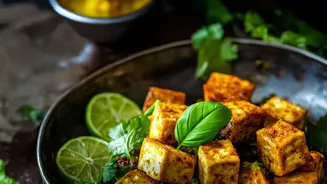
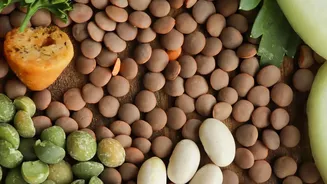
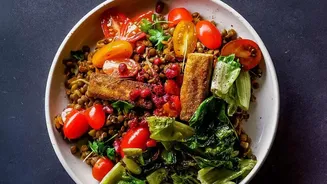
Lentils, paneer, and tofu form a formidable alliance for any vegetarian athlete. Each brings unique strengths to the table.Lentils (Dal): A staple in Indian households, lentils are a fantastic source of protein, fibre, and complex carbohydrates that provide sustained energy. A cup of cooked lentils provides around 18 grams of protein. They are, however, low in the essential amino acid methionine.Paneer (Indian Cottage Cheese): As a dairy product, paneer is a complete protein, containing all nine essential amino acids. It is rich in casein, a slow-digesting protein that provides a steady release of amino acids, making it excellent for muscle repair over several hours. A 100-gram serving offers about 18-25 grams of protein.Tofu: Made from soybeans, tofu is one of the few plant-based complete proteins. It's incredibly versatile, absorbing the flavours of whatever it's cooked with. A 100-gram serving provides between 10 to 17 grams of high-quality protein, making it a lean and effective option.
Stronger Together: The Synergy of Combination
The real magic happens when you combine these ingredients. The strategy is known as protein complementation. Since lentils are low in methionine, pairing them with a complete protein like paneer or tofu fills that nutritional gap, creating a meal with a superior amino acid profile. For example, a lunch of dal with rice and a side of paneer ensures your body receives a full spectrum of amino acids needed for optimal muscle repair and growth. This approach debunks the myth that plant-based diets are deficient; it simply requires a smarter way of composing your plate. You don't even need to eat them in the same meal; consuming a variety of protein sources throughout the day achieves the same effect.
Timing Your Meals for Maximum Gain
Beyond what you eat, when you eat matters. Distributing your protein intake across several meals and snacks throughout the day is more effective for muscle synthesis than consuming it all in one or two large meals. Aim for a protein-rich meal or snack every 3 to 4 hours. A meal containing faster-absorbing protein like tofu can be beneficial post-workout to kickstart the recovery process. Conversely, having a serving of paneer before bed can be strategic. Its slow-digesting casein protein helps feed your muscles and prevent muscle breakdown overnight while you sleep.
Putting It on Your Plate: Practical Meal Ideas
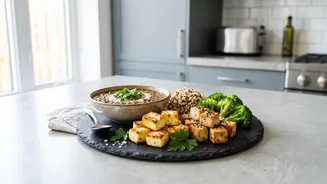
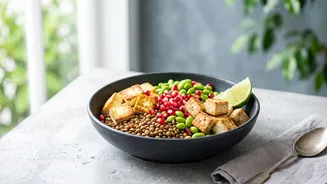
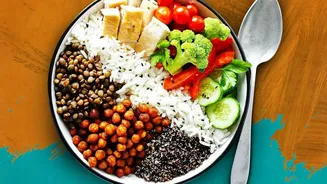
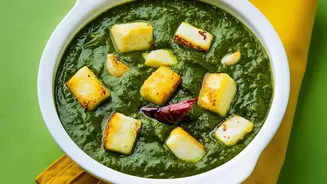
Translating this knowledge into daily meals is simple and delicious. Here are some ideas to get you started:Breakfast: Start your day strong with a tofu scramble seasoned with turmeric and black salt, or have a bowl of Greek yogurt with nuts and seeds.Lunch: A classic and powerful combination is a large bowl of dal (lentil curry) with brown rice and a generous serving of paneer bhurji (scrambled paneer). A quinoa bowl with chickpeas and crumbled tofu is another excellent option.Dinner: For your final meal, consider palak tofu (spinach and tofu curry) with whole-wheat roti. Another great choice is a khichdi made with lentils and quinoa for a complete protein punch.Snacks: Don't underestimate snacks. Roasted chickpeas, a handful of nuts, or a small bowl of sprouts can help you meet your daily protein targets.