



Beyond the Usual Curry
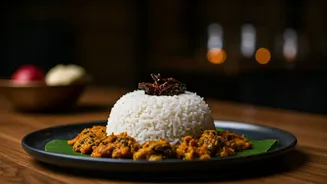
What exactly is home-style Keralan food? Forget the heavy, cream-based curries that dominate many Indian restaurant menus abroad. Keralan cuisine, born from the lush, tropical coastline of South India, is a world of its own. It’s defined by its geography:
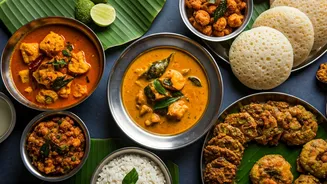
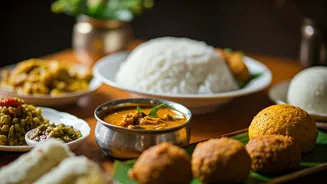
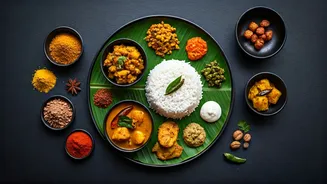
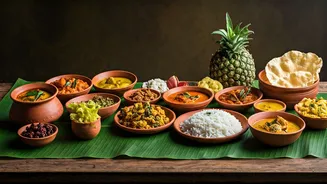
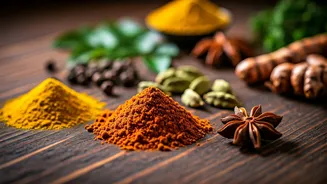
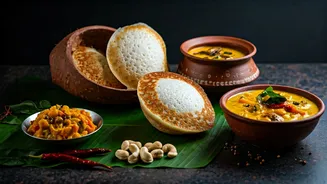
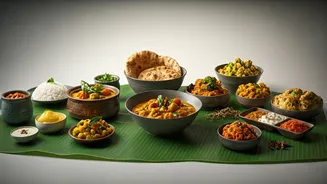
the ‘land of coconuts’ uses the fruit in every imaginable form—oil for sautéing, milk for rich stews, and grated flesh as a garnish. Freshness is paramount, with a bouquet of aromatics like crackling mustard seeds, fragrant curry leaves, turmeric, and tangy tamarind forming the foundation of many dishes. Staples include fluffy rice pancakes known as *appam*, often paired with a mild vegetable or meat stew; steamed rice cylinders called *puttu*; and the legendary *sadhya*, a vegetarian feast of dozens of dishes served on a banana leaf that reflects the state's communal food culture. [7] This is not food designed for a global palate; it's food that tells the story of a place, its history, and its people. [9]
From Humble Kitchens to Global Stages
The journey of Keralan cuisine to international prominence is a story of authenticity. For decades, these flavours were largely confined to the homes of the Keralan diaspora. However, a new generation of chefs and restaurateurs has begun to champion the food of their mothers and grandmothers, refusing to compromise on flavour for foreign tastes. [4] Chefs like Regi Mathew of Kappa Chakka Kandhari and Suresh Pillai have become ambassadors for the cuisine, meticulously researching and reviving traditional recipes from homes and toddy shops across the state. [3, 4, 23] Their philosophy is simple: present the food as it is meant to be eaten, with all its nuance and complexity. This shift marks a broader trend in dining, where consumers are increasingly seeking out regional specificity and the stories behind their meals. They no longer want just ‘Indian’; they want the distinct flavours of Malabar, Travancore, or the Syrian Christian kitchen.
The Proof is in the Payasam
The international respect isn't just anecdotal; it's backed by prestigious awards and recognition. In late 2025, Lonely Planet named immersing oneself in Kerala's culinary traditions as one of the world's top 25 travel experiences for 2026, making it the only Indian destination on the list. [8, 19] Chefs are also winning big. Regi Mathew, co-founder of Kappa Chakka Kandhari, which has won numerous awards including Best Regional Indian Premium Dining Restaurant in 2025, also won the coveted One Knife Award at Milan's Best Chef Awards 2025. [2, 3, 6] This award places him among the world's finest chefs for his work in promoting indigenous Keralan cuisine. [3] Chef Suresh Pillai, who worked his way up to Michelin-starred restaurants in London, has also been instrumental in elevating Keralan dishes on the world stage before returning to India to open his own celebrated restaurants. [18, 23] Meanwhile, restaurants like Paragon in Kerala have gained global fame, being ranked among the world's most legendary restaurants by Taste Atlas. [25] Even in the competitive New York food scene, southern flavours are triumphant, though primarily from neighbouring Tamil Nadu, with restaurants like Semma earning a Michelin star for three consecutive years by showcasing unapologetically authentic food. [10, 15, 17]
A Celebration of Identity
The rise of Keralan food represents more than just a passing trend. It is a powerful assertion of regional identity and a pushback against the culinary homogenization that has long defined 'Indian food' internationally. It celebrates the hyperlocal, from the specific sourness of a particular tamarind to the unique spice blends of the Malabar coast. [7, 19] Each dish, whether it’s a simple fish curry simmered in a clay pot (*chatti*) or an elaborate biryani, is a carrier of history—shaped by ancient spice trades, colonial influences, and local ingenuity. [8] As diners become more adventurous and educated, they are rewarding this authenticity. The success of Keralan cuisine on the global stage is a testament to the idea that true, uncompromised flavour will always find an audience. It proves that the most personal stories, even those told through food, can have universal appeal.