
The Current Charging Dilemma
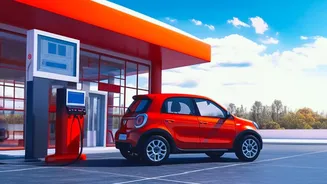
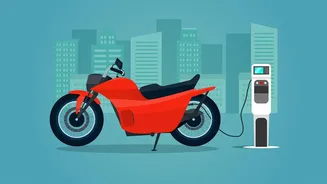
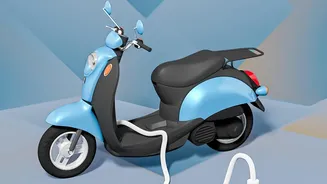
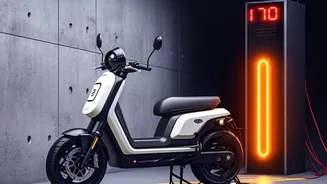
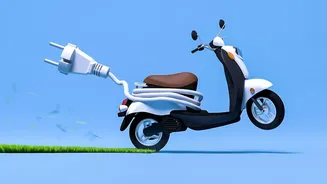
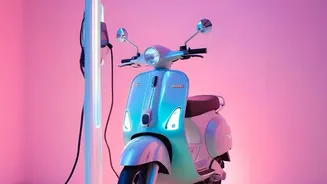
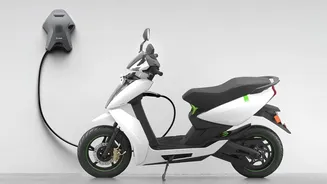
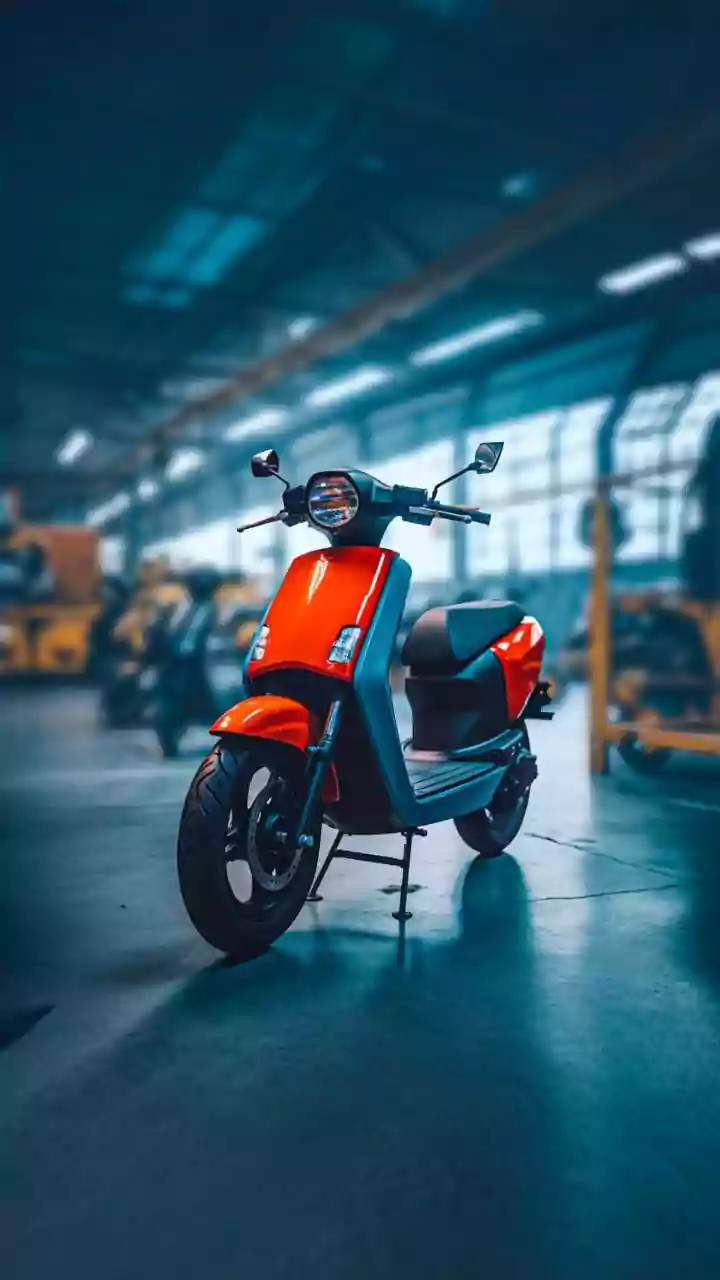
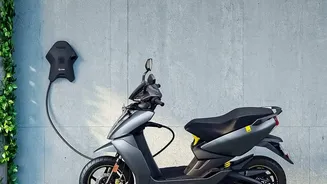
For millions of Indians who have embraced electric scooters and motorcycles, the benefits are clear: lower running costs and a smaller carbon footprint. However, the convenience often comes to a halt at the charging station. Today's electric two-wheelers
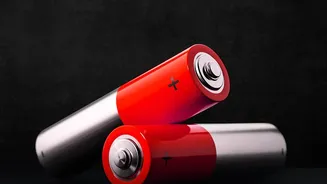
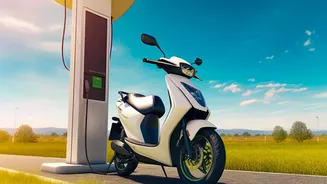
predominantly use lithium-ion batteries, which can take anywhere from 1 to 4 hours for a full charge. This lengthy downtime is a significant barrier for riders who rely on their vehicles for daily commutes and commercial activities. This 'range anxiety' isn't just about how far you can go, but how long you have to wait before you can get going again. The liquid electrolyte inside these batteries can also pose safety risks like overheating and fires if charged too quickly or damaged.
Enter the Solid-State Solution
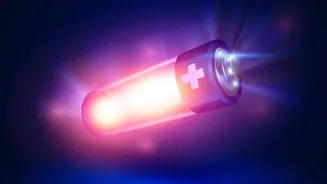
Solid-state batteries are poised to change this landscape completely. As the name suggests, they replace the flammable liquid electrolyte found in conventional lithium-ion batteries with a solid, stable material, often a ceramic, polymer, or glass. This fundamental change in construction unlocks a cascade of benefits. By eliminating the volatile liquid, the risk of fires and thermal runaway is drastically reduced, making them inherently safer. More importantly, this solid structure allows for a redesign of the entire battery, enabling the use of more advanced components like lithium metal anodes. These anodes can store significantly more energy in the same amount of space, heralding an era of lighter batteries or much longer ranges for the same size.
The Science of Speed
So, how do these batteries charge so much faster? The key lies in the stability of the solid electrolyte. In traditional lithium-ion batteries, charging too fast can cause the formation of sharp, needle-like structures called dendrites, which can puncture the battery's internal separator, cause a short circuit, and lead to fires. This risk forces manufacturers to limit charging speeds. Solid electrolytes are far more resistant to dendrite formation. Their robust structure acts as a barrier, allowing for a much faster and safer flow of lithium ions during charging. In laboratory settings and early prototypes, researchers have demonstrated charging from 10% to 80% in as little as 10 minutes—a speed that would make 'refueling' an electric scooter as quick as filling a petrol tank.
More Than Just Fast Charging
While rapid charging is the headline feature, solid-state technology brings other crucial improvements for two-wheeler owners. These batteries are more resilient to temperature changes, performing consistently in both the searing heat of an Indian summer and in colder climates, where conventional batteries often lose performance. They also promise a longer overall lifespan, with the potential to endure thousands of charge-discharge cycles with less degradation. This means the battery will retain its health and range for longer, enhancing the vehicle's long-term value. The increased energy density means manufacturers can either offer a much longer range on a single charge or make the vehicle lighter and more nimble with a smaller, more compact battery pack.
The Road Ahead for India
The transition won't happen overnight. Manufacturing solid-state batteries at a scale and cost suitable for India's price-sensitive two-wheeler market remains a significant challenge. However, the push is already underway. Research institutions like the Indian Institute of Science (IISc) and IIT Roorkee are making significant strides in solid-state and advanced battery research. Some premium electric motorcycle brands have already started integrating the first generation of solid-state batteries, signaling that commercialization is beginning. Experts predict that high-end electric two-wheelers could start featuring these batteries as options between 2027 and 2028, with wider adoption in mid-range models expected around 2030 as costs come down.