




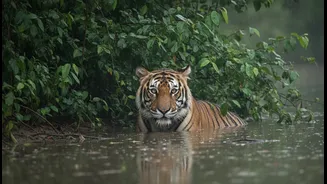



Why Your Usual Plan Won't Work
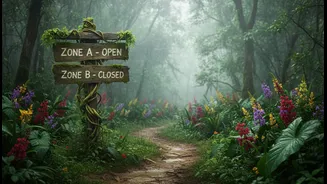
Planning a trip months in advance with a fixed itinerary is the standard for peak season travel, but it's a recipe for disappointment during the monsoon. The season's defining feature is unpredictability. Heavy rains can lead to sudden road closures,
landslides, and the temporary shutdown of certain safari zones or even entire parks for safety reasons. The very core areas of most major tiger reserves are mandated to close from July to September to protect the fragile terrain and allow for animal breeding. Relying on a rigid schedule means you could arrive to find your booked safari gate is inaccessible. This isn't a flaw in the system; it's the reality of embracing nature when it's at its most dynamic and powerful.
The Magic of a Monsoon Safari
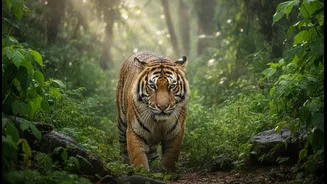
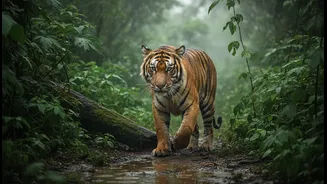
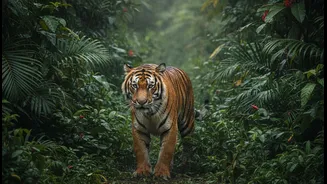
So why bother? Because the rewards are immense. The forests, bathed in rain, are breathtakingly beautiful and turn into a paradise for photographers. With fewer tourists, the experience is more serene and personal. This is also the breeding season for many birds and amphibians, offering unique sighting opportunities. While the dense foliage can make spotting tigers slightly more challenging, other wildlife activity often increases. Elephants are frequently seen enjoying the rain, and the thriving vegetation means herbivores are abundant, which in turn keeps predators active. Furthermore, with lower tourist numbers, you can often find great deals on some of the best resorts, making a luxury stay more accessible.
Choosing Your Monsoon Sanctuary
While many core zones are closed, several national parks and sanctuaries keep their buffer zones or specific gates open, offering fantastic experiences. Tadoba-Andhari Tiger Reserve in Maharashtra is famous for its monsoon safaris in zones like Moharli and Kolara. In Karnataka, the Kabini region of Nagarhole National Park is renowned for spotting elephants and even the elusive black panther. Periyar National Park in Kerala is another excellent choice, remaining open year-round with boat safaris on the lake offering a unique vantage point. In the north, buffer zones of Jim Corbett like Jhirna and Dhela stay accessible. Parks in Madhya Pradesh like Satpura and Pench also offer limited monsoon access. Researching which specific zones are open is the critical first step in your flexible plan.
The Art of Flexible Booking
This is where 'flexible energy' comes into play. Instead of locking everything in months ahead, embrace a more fluid strategy. Look for hotels and lodges near your target parks that offer lenient cancellation or rescheduling policies. Many boutique wildlife lodges are accustomed to the season's unpredictability and are more accommodating. Consider booking your safaris closer to your travel date, once you have a clearer picture of weather and access. It’s wise to have a Plan A and a Plan B—for example, if the road to your primary gate in Tadoba is challenging, know which alternative gate is your backup. Engaging with a specialised wildlife travel agent can be invaluable; they have on-ground information and can adjust plans on the fly. Prioritise refundable or flexible flight bookings where possible, and always have travel insurance that covers weather-related disruptions.
Packing for the Rain-Soaked Wild
Your packing list also needs a rethink. Beyond a high-quality rain jacket, focus on quick-dry clothing. The humidity is high, and cotton will stay damp. Synthetic fabrics are your friend. Waterproof hiking boots with good grip are non-negotiable for navigating slick trails. Leech socks are a must-have for many regions, especially in the Western Ghats and Himalayan foothills. Protect your electronics with waterproof bags or cases; the lush greenery will tempt you to take many photos, so ensure your camera gear is shielded. Pack a powerful insect repellent and any personal medications, as local shops may be less accessible. A headlamp is always useful, especially in lodges that might experience monsoon power cuts.