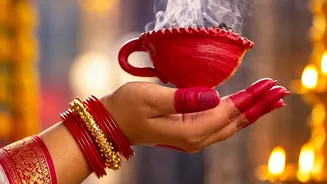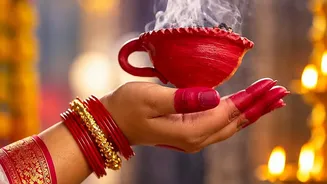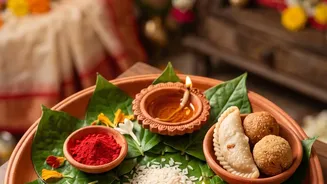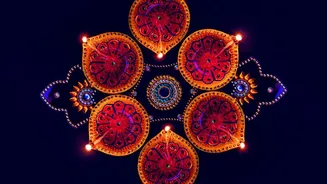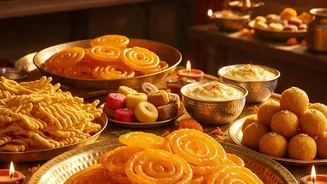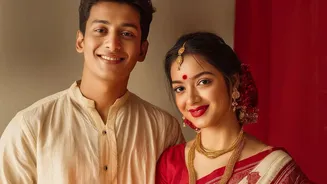

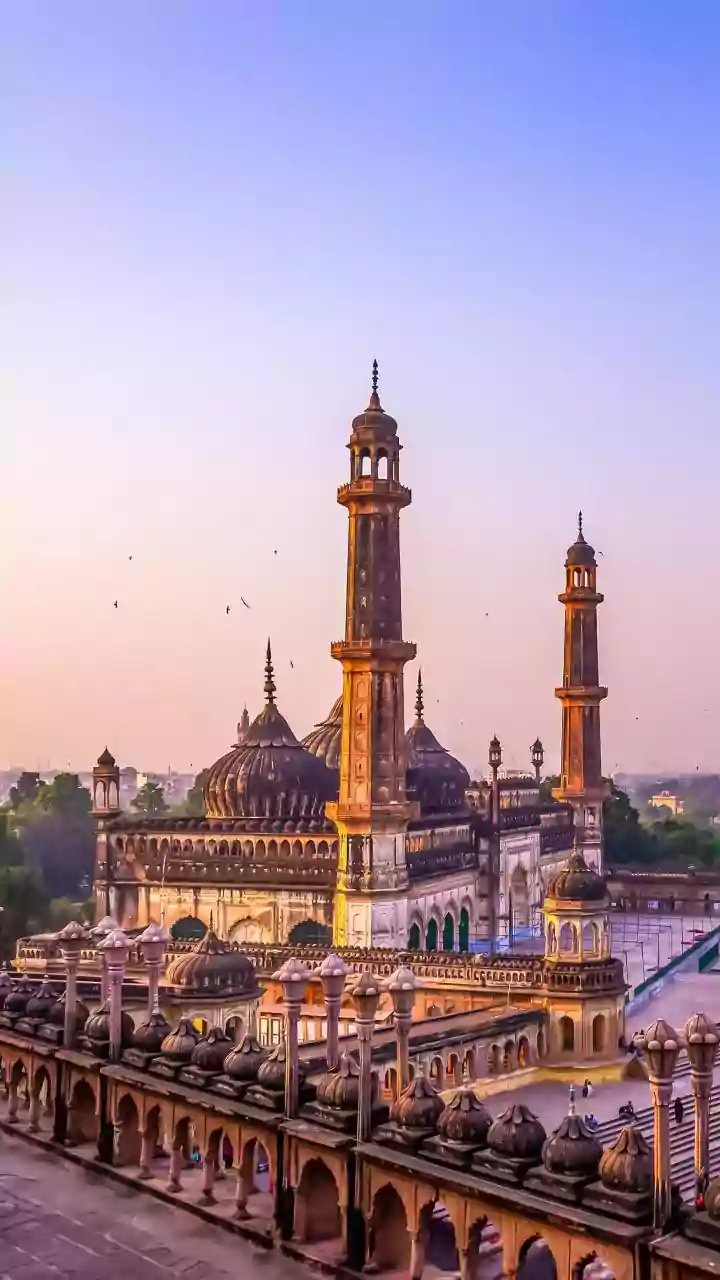


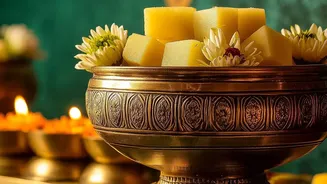
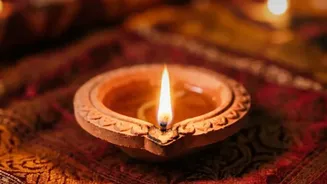
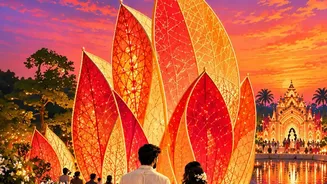
When we think of Diwali, images of diyas, sweets, and Lakshmi Puja often come to mind. But across India, the festival of lights unfolds in a thousand different ways, a testament to the country's rich cultural tapestry.
One Festival, Many Faces
Diwali, or Deepavali, is celebrated
by over a billion people, but its stories and rituals are as diverse as the communities that observe it. While the core theme remains the triumph of light over darkness and good over evil, the deities worshipped and traditions followed can vary dramatically from one state to another. This is beautifully illustrated by comparing how the festive season kicks off in Maharashtra with how it's celebrated on the main day in West Bengal.
Vasubaras: A Gentle Start in Maharashtra
In Maharashtra, the Diwali festivities begin not with a bang, but with a gentle and heartfelt ritual known as Vasubaras, or Govatsa Dwadashi. Celebrated on the twelfth day of the dark fortnight of the Hindu month of Kartik, this day is dedicated to honouring cows and their calves. The name itself combines 'Vasu' (cow) and 'Baras' (twelfth). Families bathe their cattle, adorn them with flower garlands and turmeric, and perform an aarti. They are then offered special food, like sprouted grams and moong beans. Women often observe a fast for the well-being of their children, abstaining from milk and dairy products as a sign of respect for the mother cow.
A Prayer of Gratitude for Livelihood
Vasubaras is deeply rooted in India's agrarian culture. It is an expression of gratitude towards the animals that are central to rural livelihoods and a symbol of nourishment and sustenance. By worshipping the cow, considered a sacred symbol of motherhood and prosperity, Maharashtrians begin their Diwali with a tribute to nature's bounty and a prayer for continued well-being. It’s a quiet, pastoral celebration that sets a tone of reverence before the more dazzling celebrations of Dhanteras and Lakshmi Puja.
Kali Puja: Bengal's Fierce and Festive Night
On the very same new moon night that much of India worships Goddess Lakshmi for wealth and prosperity, West Bengal immerses itself in the worship of a different divine force: Goddess Kali. Kali Puja is the state's second-biggest festival after Durga Puja. The celebration is intense and vibrant, with thousands of pandals erected across cities and towns, each housing elaborate idols of the fierce goddess. Worshipped at midnight, Kali is the embodiment of 'Shakti' (power), the destroyer of evil. Legends say she emerged to defeat demons that the other gods could not, making her a powerful symbol of good's ultimate, if ferocious, victory over evil.
A Different Vision of Defeating Darkness
Unlike the serene reverence of Vasubaras, Kali Puja is marked by high energy, tantric chants in some traditions, and offerings of red hibiscus flowers. While Lakshmi represents a calm, prosperous light, Kali represents the fierce, protective power that vanquishes darkness itself. Her worship on Diwali night in Bengal, Odisha, and Assam offers a different perspective on the festival's central theme. It acknowledges that light’s victory sometimes requires a formidable, awe-inspiring force to overcome the deepest shadows. The tradition, popularized in the 18th century by King Krishnachandra of Nadia, became a cornerstone of Bengali spiritual life.