





Understanding the Monsoon Challenge
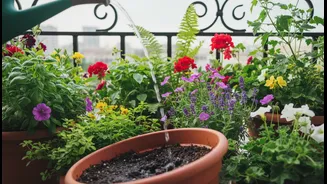
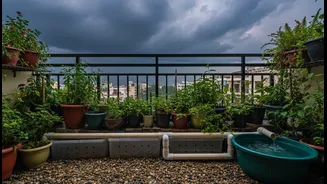
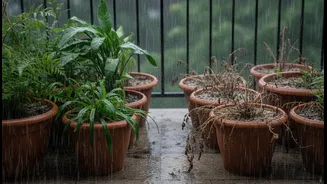
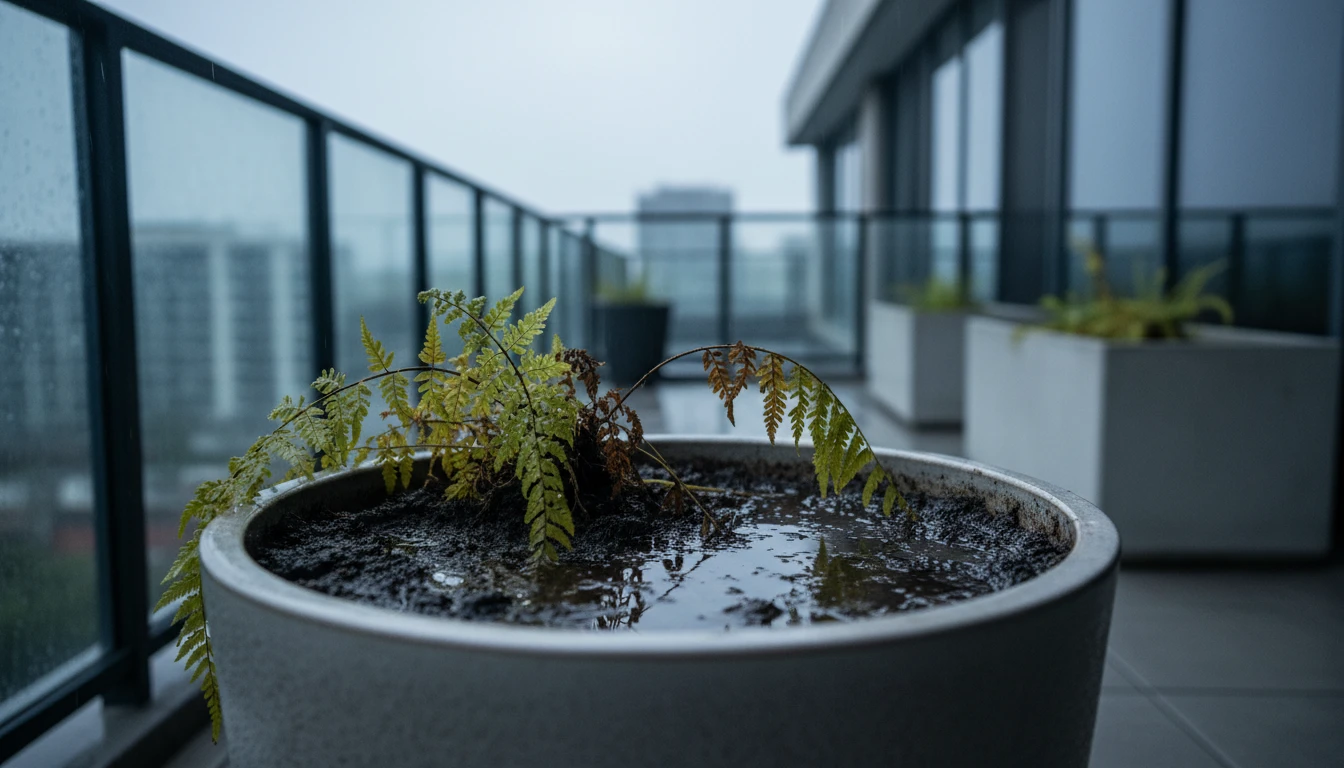
The daily downpour that defines the monsoon can be too much of a good thing for potted plants. Unlike plants in the ground, balcony containers have a limited volume of soil and restricted drainage. When rain is relentless, this soil becomes saturated,
leaving no air pockets for the roots to breathe. This condition, known as waterlogging, is the primary cause of root rot, a fungal disease that can quickly kill a healthy plant. Symptoms include yellowing leaves, wilting despite wet soil, and a foul smell from the pot. Heavy rain also compacts the topsoil, further reducing aeration and drainage.
Choose Containers with Ample Drainage
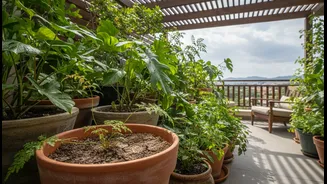
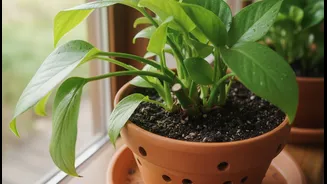
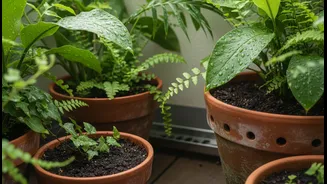
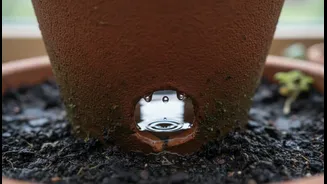
The first and most critical step is selecting the right pot. Ensure every container has at least one, and preferably several, large drainage holes at the bottom. This is non-negotiable for plant survival in the monsoon. If you fall in love with a decorative pot that has no holes, you have two options: either drill them yourself using a bit designed for the material (like a diamond-tipped bit for ceramic), or use it as a cachepot. In the latter method, you keep your plant in a simple plastic pot with drainage and place it inside the decorative one, making sure to empty the outer pot of any collected water after it rains. Materials like terracotta or clay are porous and breathe better than plastic or glazed pots.
Craft a Well-Draining Potting Mix
Never use heavy garden soil in your pots. It is too dense, compacts easily, and retains excessive water, which is a recipe for disaster in containers. Instead, use a light, fluffy potting mix specifically designed for containers. For the monsoon, you need a mix that prioritizes drainage. A great DIY recipe is a balanced blend of one part soil, one part compost for nutrients, and one part drainage-improving material like coco peat (which is lighter than soil) and perlite. Perlite, the small white volcanic rocks found in many potting mixes, is excellent for creating air pockets and improving water flow. This combination ensures that while the soil holds enough moisture, any excess can drain away freely.
The Myth of a Gravel Layer
A common but outdated gardening tip is to add a layer of gravel or broken pot shards to the bottom of a container for drainage. Modern horticulture has shown that this can actually be counterproductive. Instead of improving drainage, this layer can create a 'perched water table' where water sits in the soil just above the gravel, keeping the root zone wetter. The most effective way to ensure good drainage is to use a high-quality, well-aerated potting mix throughout the entire pot and ensure the drainage holes are clear. A simple piece of mesh or a coffee filter over the hole can prevent soil from washing out without impeding water flow.
Elevate Your Pots for Better Airflow
One of the simplest yet most effective proactive steps is to lift your pots off the balcony floor. Placing containers directly on a flat surface can cause the drainage holes to become blocked or sit in a puddle of drained water, which the soil then reabsorbs. Use 'pot feet', bricks, wooden blocks, or dedicated plant stands to create a small gap of even a few centimetres underneath your containers. This elevation allows excess water to drain away completely and improves air circulation around the base of the pot, helping the soil dry out more evenly between rain showers.
Monitor and Maintain During the Rains
Your work isn't over once the monsoon arrives. Even with the best setup, it's wise to perform regular checks. After a particularly heavy downpour, check that drainage holes are not clogged with soil or debris. Gently loosen the top inch of soil with a hand fork if it appears compacted, which will improve surface drainage and aeration. Most importantly, avoid the temptation to water your plants on a schedule. The rain will do most of the work, and even on covered balconies, the high humidity means soil dries slowly. Always check the soil moisture by inserting a finger a couple of inches deep before even considering adding more water.