



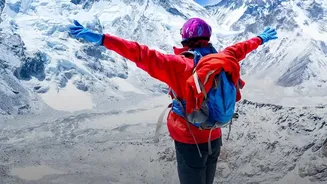
The Golden Rule: Master the Layering System
The secret to staying warm in the Himalayas isn’t piling on bulky clothes, but mastering the art of layering. This three-part system allows you to adapt to fluctuating temperatures, from sunny afternoons to freezing nights. It consists of a base layer to manage
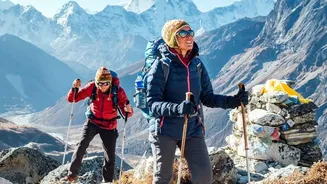
moisture, a mid-layer to insulate, and an outer layer to protect you from wind, rain, and snow. This approach keeps you comfortable by trapping body heat while allowing sweat to escape, preventing the dangerous chill that comes from damp clothing. Think of yourself as an onion; you can add or peel off layers as your exertion level and the weather change throughout the day.
Base Layers: Your Moisture-Wicking Second Skin
The base layer sits directly against your skin, and its primary job is to wick sweat away to keep you dry. Wetness is the enemy in cold weather, as it rapidly pulls heat from your body. For this reason, you must avoid cotton at all costs, as it absorbs moisture and stays wet. Instead, opt for materials like merino wool or synthetic fabrics such as polyester. Merino wool is an excellent choice as it's naturally odour-resistant, breathable, and stays warm even when damp. Pack at least two sets of long-sleeved tops and bottoms to ensure you always have a dry pair ready.
Mid-Layers: The Engine of Your Warmth
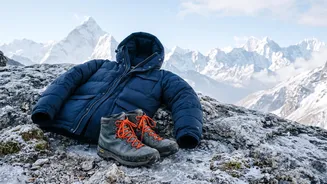
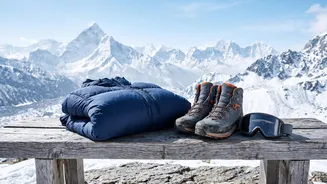
This is your insulating layer, responsible for trapping the body heat that keeps you warm. Fleece jackets are a popular and effective choice, as they are lightweight, breathable, and continue to insulate even if they get damp. For serious cold, especially during evenings at high-altitude lodges or on summit days, a down or synthetic puffy jacket is absolutely essential. Down offers the best warmth-to-weight ratio, but it loses its insulating properties when wet. Modern synthetic insulation, while slightly bulkier, performs better in damp conditions. Many trekkers carry both a fleece and a puffy jacket for maximum versatility.
Outer Shell: Your Shield Against the Elements
The outermost layer, or shell, protects you from wind and precipitation. You'll need a high-quality waterproof and windproof jacket and a pair of matching pants. Look for jackets with a hood and materials like Gore-Tex or a similar proprietary waterproof-breathable membrane. This technology is crucial because it blocks wind and snow from getting in, while still allowing the moisture from your sweat (wicked by your base layer) to escape. This breathability prevents a clammy, cold feeling from building up inside your jacket.
Extremities: Don't Forget Your Head, Hands, and Feet
A significant amount of body heat is lost through your head, hands, and feet, so protecting them is non-negotiable. For your head, pack a warm wool or fleece beanie that covers your ears, a sun hat for daytime protection, and a buff or balaclava for shielding your face from biting winds. For your hands, a two-glove system is best: thin fleece or wool liner gloves for dexterity and a pair of waterproof, insulated outer gloves or mittens for extreme cold. Your feet require several pairs of high-quality wool or synthetic trekking socks. Avoid cotton socks completely. Good socks cushion your feet and wick away sweat, which is key to preventing blisters and keeping your toes warm.
Footwear: Your Foundation on the Trail
Your boots can make or break your trek. You need a sturdy pair of waterproof trekking boots with good ankle support. Make sure they are well broken-in before your trip to avoid painful blisters. The terrain can be rocky and uneven, and in November, you may encounter snow and ice at higher altitudes. A robust sole with deep lugs for grip is essential for stability. For evenings in the teahouses, it's wise to pack a pair of lightweight sandals or camp shoes to give your feet a rest from your heavy boots.