



As winter settles in, the temptation to hibernate can be strong, often disrupting our fitness routines. This guide offers a simple, safe, and effective way to stay active indoors with a measured approach centred on one powerful exercise.
Why a 'Measured Approach' Matters in Winter
The colder, darker
months can lead to a natural decrease in daily activity. This can cause deconditioning, where our muscles weaken and our balance becomes less steady, making us more susceptible to injuries from slips, falls, or even simple workouts. A 'measured fitness approach' prioritises consistency over intensity. It's about building a solid foundation of strength and stability to carry you safely through the season. Rather than attempting demanding new routines, the focus is on mastering simple, functional movements that protect your joints and build practical strength. This thoughtful method ensures that you maintain your fitness without the risks associated with pushing your body too hard when it might be less prepared.
The Foundational Power of the Step-Up
The step-up is a deceptively simple exercise with immense benefits. As a unilateral (single-leg) movement, it is fantastic for identifying and correcting strength imbalances between your left and right sides. This is crucial for overall stability. Step-ups primarily target the major muscles of the lower body, including the quadriceps, hamstrings, and especially the glutes. Strengthening these muscles provides better support for your knees and hips. Furthermore, the exercise inherently challenges your balance, engaging your core and the smaller stabilizing muscles around your joints to keep you steady. It is a functional movement that directly mimics daily activities like climbing stairs, making everyday tasks easier and safer.
Perfecting Your Form for Maximum Safety
Proper form is essential to get the most out of step-ups and prevent injury. Start with a low, stable platform. Plant your entire right foot firmly on the surface, ensuring your knee is aligned with your second toe. Keep your chest up and core braced. The most important part is to drive through the heel of your right foot to lift your body up; avoid pushing off with the toes of your left foot on the floor. Bring your left foot to meet your right on the platform, standing tall. Then, slowly and with control, step back down with the left foot first, followed by the right. Perform 8 to 12 repetitions on one side before switching to the other leg. The movement should be deliberate, not rushed.
Creating Your Non-Slip Workout Zone
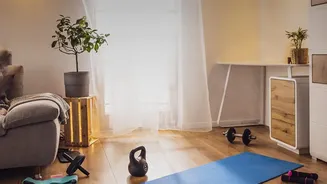
Safety begins from the ground up. Your 'non_slip support' has two components: the surface you step onto and the floor beneath you. For the step itself, you can use a sturdy, commercial aerobic step, a low and stable stool, or even the bottom step of a staircase in your home. The surface should be solid and not cushioned, as soft surfaces can destabilise your ankle. Equally important is the floor. If you have slick tile or polished wood floors, place a non_slip exercise or yoga mat underneath your setup to prevent the step from sliding. These mats feature textured surfaces for better grip. Finally, wear supportive shoes with good grip rather than exercising in socks or slippers to further reduce the risk of slipping.
How to Progress Your Step_Up Routine
Once you have mastered the basic bodyweight step_up with perfect form, you can begin to progress in a measured way. The simplest progression is to gradually increase the height of your step, which engages the glutes and hamstrings more. Another way to add challenge is to hold light dumbbells in each hand while maintaining an upright posture. You can also introduce variations like a knee drive at the top of the movement, which adds a significant balance challenge. For a more advanced, functional twist, try a rotational step_up, which mimics real_world movements where we don't always move in a straight line. The key is to make only one change at a time and ensure you can perform all repetitions with excellent control.