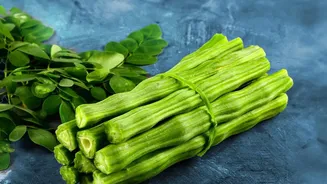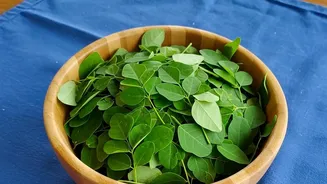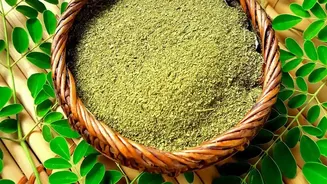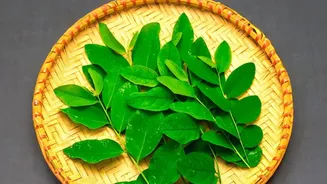


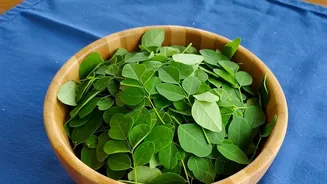
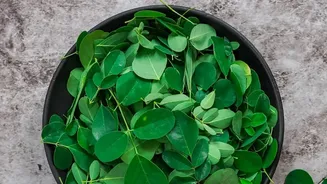
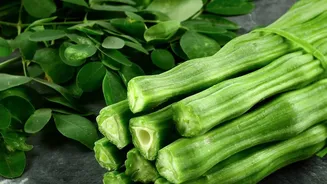
Moringa, the 'miracle tree', is everywhere, praised as a cure-all superfood. But what lies beyond the hype? This nutrient-rich plant, long used in Indian homes, can be a sensible addition to your diet without needing to perform miracles.
Beyond the 'Miracle Tree' Hype
For centuries,
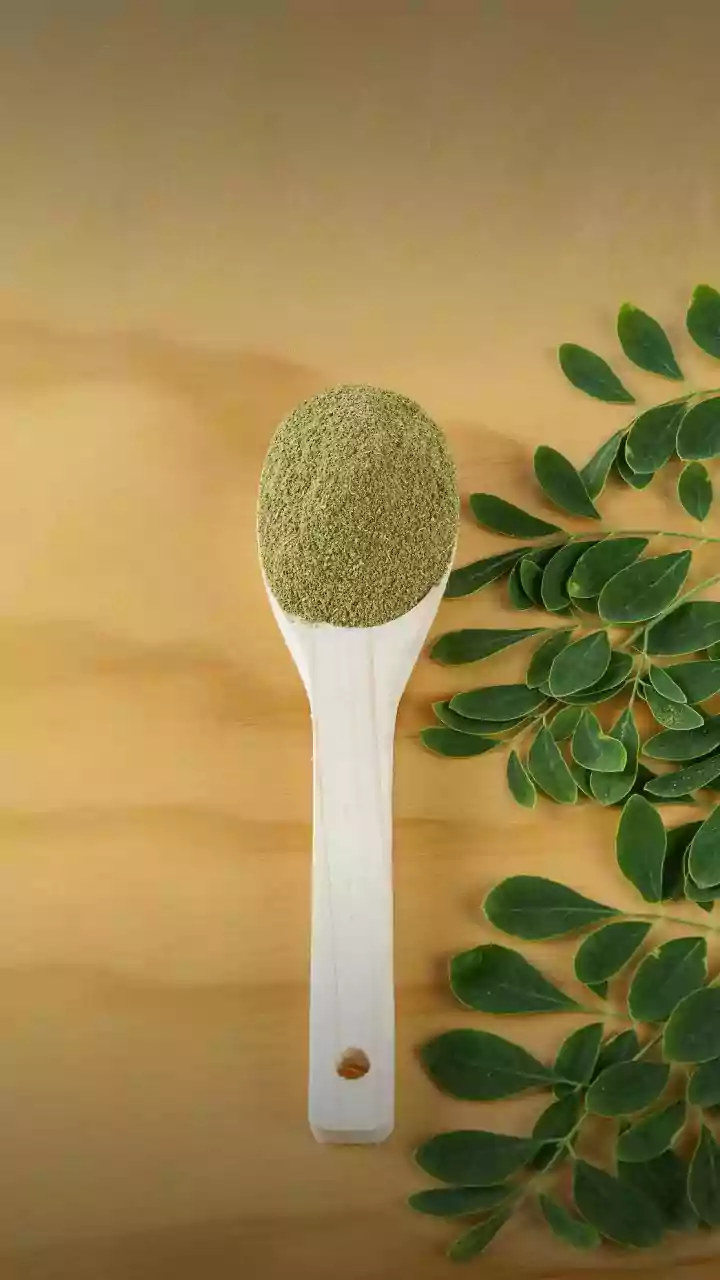
the moringa or drumstick tree has been a staple in Indian kitchens, especially in the south, where its pods are simmered in sambar and its leaves are cooked into stir-fries. In Ayurveda, it's known as 'Shobhanjana', the 'very auspicious tree'. Only recently has the wellness world rebranded it as a 'superfood', selling it in powdered form with extraordinary claims. The reality is less about miracles and more about nutrition. Moringa leaf is genuinely packed with nutrients like vitamins, minerals, and plant-based protein. It’s not a magic cure, but a nutrient-dense food that has always been part of a balanced, traditional diet.
A Nutrient Boost, Not a Cure-All
The science-backed benefits of moringa are practical, not magical. The leaves are rich in antioxidants like quercetin, which help the body fight inflammation and cellular damage. Some small-scale human studies suggest it may help in moderating blood sugar levels after a meal and could have a positive effect on cholesterol, though more research is needed. While some gram-for-gram comparisons to oranges or milk sound impressive, they can be misleading. A typical serving of moringa powder is one or two teaspoons, not 100 grams, so it should be seen as a supplement to a healthy diet, not a replacement for other nutrient sources. It supports overall health; it does not cure chronic diseases or melt away fat on its own.
Simple Ways to Use Moringa Daily
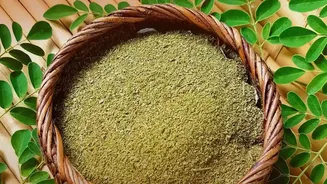
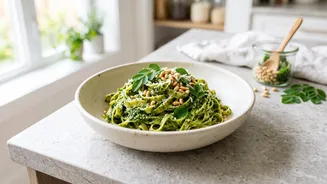
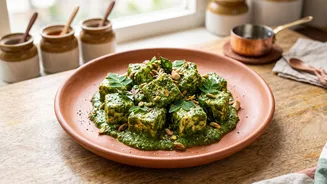
Incorporating moringa powder into Indian cooking is surprisingly easy because its earthy, slightly bitter taste blends well with familiar spices. The key is to add it to dishes where its flavour won't be overpowering. One of the best methods is to mix half a teaspoon of powder into the dough for rotis or parathas. You can also stir it into dal or sambar just before serving; avoid boiling it for too long to preserve its nutrients. Another great option is to blend it into green chutneys or mix it into the batter for adai, chilla, or savoury pancakes. Even breakfast dishes like upma or poha can get a nutrient lift with a sprinkle of moringa powder added at the end.
Getting the Taste and Dose Right
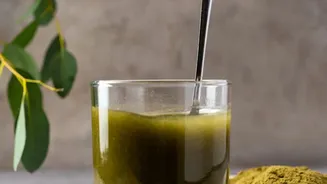
Moringa's flavour is often compared to spinach with a grassy, peppery kick. If you're new to it, start small. A pinch to half a teaspoon is enough to begin with, allowing your palate and digestive system to adjust. Its bitterness can be balanced by acidic ingredients like tamarind, tomato, or lemon, which is why it works so well in dals and South Indian curries. Healthy fats from ghee or coconut can also round out the flavour. Taking too much, especially at first, can sometimes lead to digestive discomfort like bloating or an upset stomach. Most sources recommend a daily dose of one to two teaspoons of the powder for most adults.
What to Watch Out For
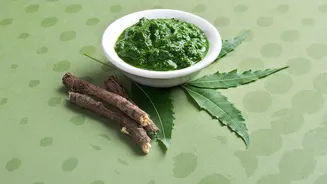
While moringa leaf is generally safe for most people, it's not without considerations. Because it may have a mild effect on lowering blood sugar and blood pressure, individuals on medication for diabetes or hypertension should consult their doctor before adding it to their routine. The leaf is the safest part; moringa root and bark should be avoided as they contain compounds that are potentially harmful, especially during pregnancy. It's also important to choose high-quality, organic moringa from a reputable brand to avoid contamination with pesticides or heavy metals. Think of it as a potent ingredient: use it wisely as part of a varied diet, not as a replacement for medical advice or a healthy lifestyle.