





Official Weather Alerts and Forecasts
Your first and most important check should be the official forecast. The India Meteorological Department (IMD) is the authoritative source for weather warnings. As of mid-October, widespread rain is forecast for Kerala, Tamil Nadu, Puducherry, and Karnataka,
with heavy to very heavy rainfall expected in isolated areas through October 20. Pay close attention to the colour-coded alerts: a yellow alert indicates 'be aware', an orange alert means 'be prepared' for heavy rain, and a red alert signifies 'take action'. These advisories are updated regularly and provide crucial information on rainfall intensity, wind speeds, and potential hazards.
Your Itinerary and Destination's Risk
Review your travel plans against the areas under alert. Heavy rain increases the risk of landslides in hilly regions like the Western Ghats and flash floods in low-lying coastal areas. Destinations in states like Kerala, South Interior Karnataka, and Tamil Nadu are particularly vulnerable. If your planned route takes you through or to a district with an orange or red alert, seriously consider postponing or rerouting your journey. Flexibility is a traveller's best asset during the monsoon; a rigid itinerary can lead to risky decisions. It's better to adapt your plans than to get stranded or caught in a dangerous situation.
Transportation and Route Status
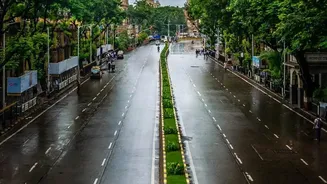
Heavy downpours can severely disrupt travel infrastructure. Before setting out, check the status of roads, trains, and flights. Waterlogging can shut down major city roads, while landslides can block highways in ghat sections. Check local traffic updates and railway announcements for delays or cancellations. If driving, reduce your speed on wet roads, maintain a safe distance from other vehicles, and never attempt to drive through flooded streets, as the water can hide deep potholes or damage. Always have an alternative route in mind.
Accommodation and Local Conditions
Confirm that your chosen accommodation is safe. Ask the hotel or guesthouse if they are located in a flood-prone area and what emergency measures they have in place. It’s also wise to check with local contacts, such as your hotel manager or a local guide, about conditions on the ground. They can provide real-time information about rising water levels, local disruptions, or specific routes to avoid that might not be covered in broader news reports.
Emergency Kit and Supplies
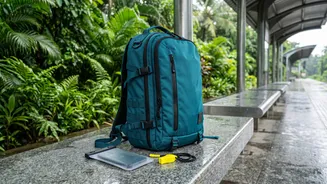
Power cuts and travel delays are common during severe weather. Pack an emergency kit with essentials to see you through any disruptions. This should include a fully charged power bank, a flashlight, and extra batteries. Keep important documents, electronics, and medications in waterproof bags or pouches. It's also smart to carry a supply of drinking water and non-perishable snacks. A basic first-aid kit with medication for common ailments like fever and indigestion is also recommended.
Health and Food Safety
The risk of waterborne diseases increases during the monsoon. Be extra cautious about what you eat and drink. Avoid street food that may be unhygienic and drink only bottled or boiled water. Opt for freshly cooked, hot meals over pre-prepared cold items. Additionally, stagnant water is a breeding ground for mosquitoes, so carrying and using an effective insect repellent is crucial to prevent mosquito-borne illnesses.