

The Great Grain Revival
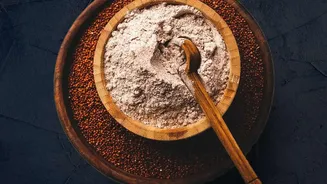
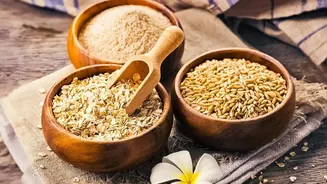
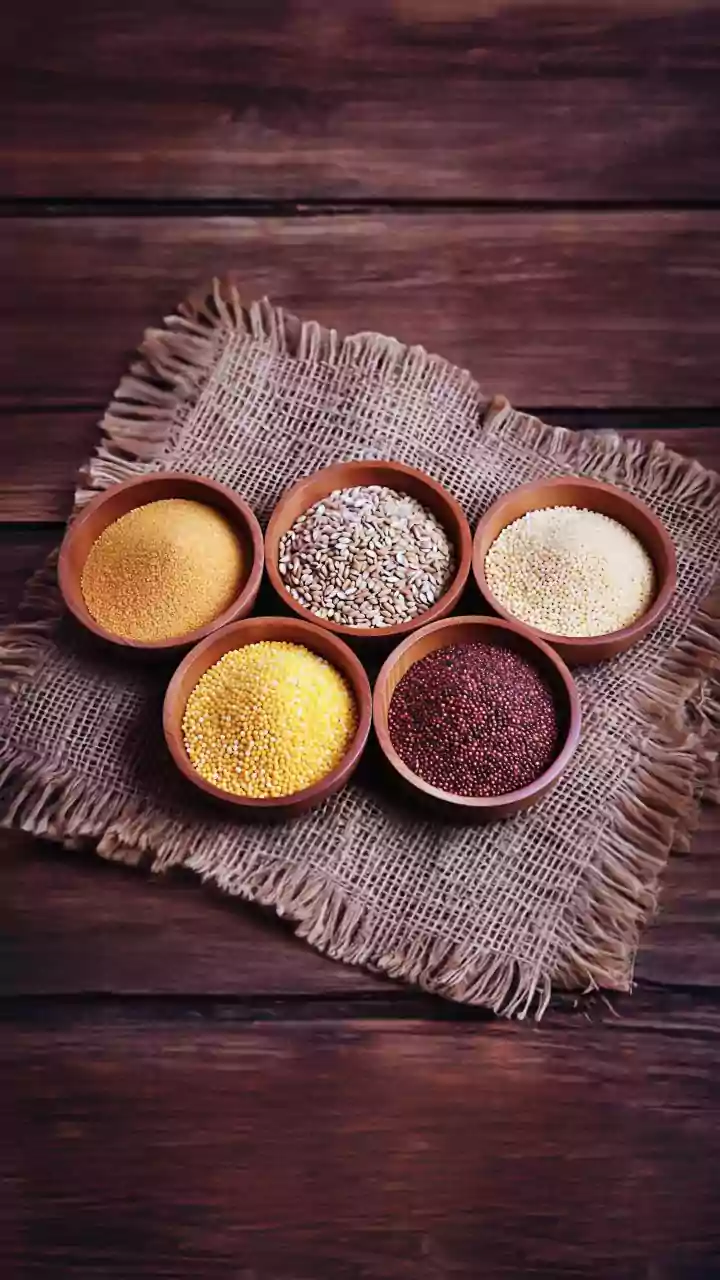
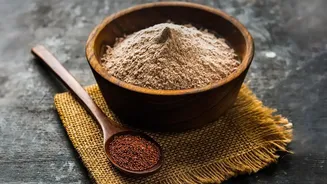
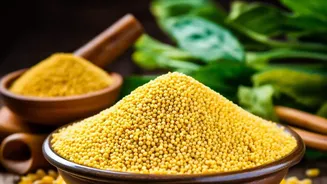
For generations, millets like jowar (sorghum), bajra (pearl millet), and ragi (finger millet) were staples across India. However, the post-independence Green Revolution prioritized high-yield crops like wheat and rice, pushing these hardy, nutrient-dense
grains to the sidelines. Today, a growing awareness around health and a desire to reconnect with traditional food systems are bringing them back. This comeback isn't just about recreating old recipes; it's about adapting these ancient grains for contemporary lifestyles and tastes. Spearheaded by health-conscious consumers and innovative food startups, millets are being recognized for what they always were: a nutritional powerhouse perfectly suited for the Indian diet.
Upgrading Your Snack Time
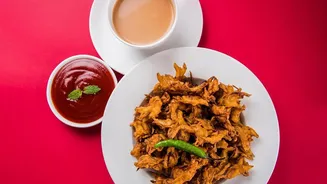
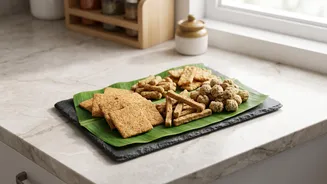
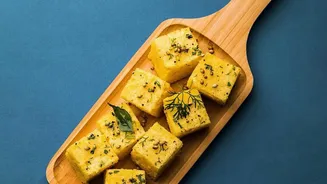
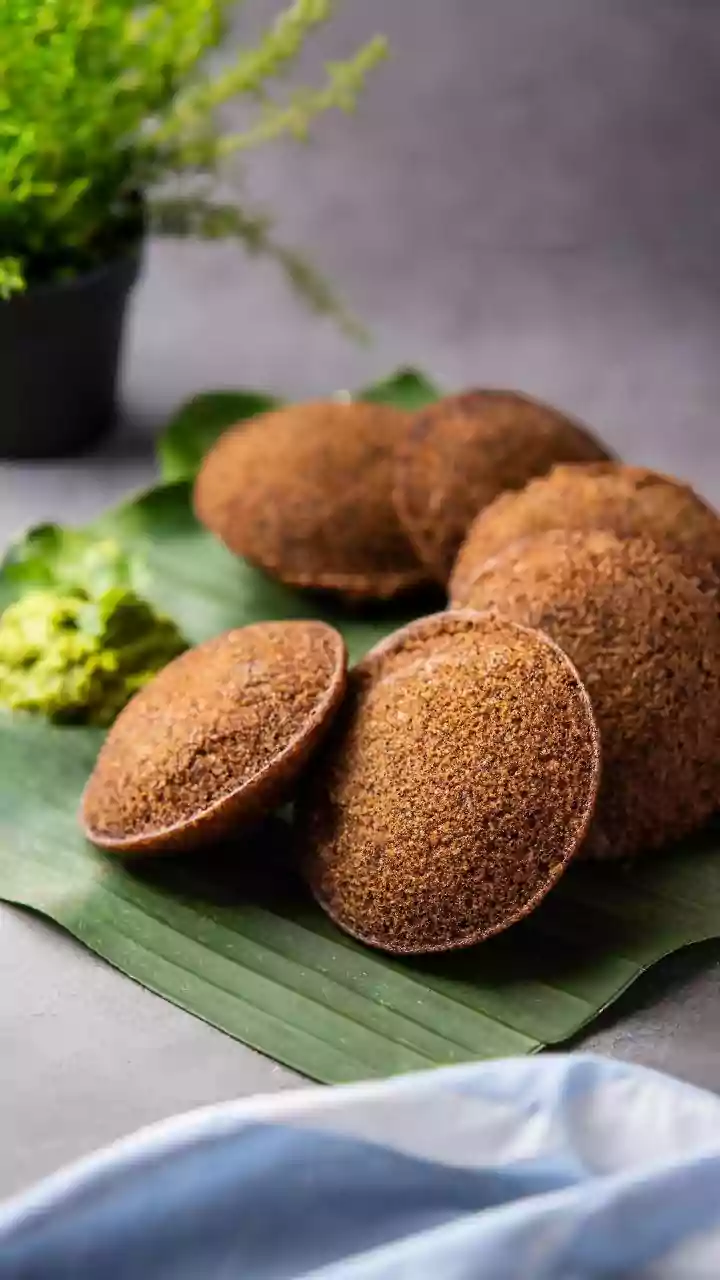
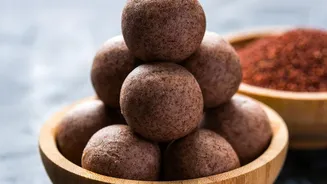
The most exciting part of this trend is the sheer creativity on display. Forget bland health food; we're talking about your favourite snacks, reimagined. Imagine crispy, baked chaklis made from jowar flour, delivering that satisfying spiral crunch without the guilt of deep-frying in maida. Think of light, airy ragi puffs that are perfect for kids' lunchboxes, or millet-based bhel mixes that offer a flavourful punch with added fibre. Food brands are launching entire ranges of millet-based traditional snacks, including nippatu, kodbale, and chivda. Even noodles, cookies, and pastas are now being made from millet flour, offering families a way to enjoy comfort foods without compromising on nutrition. These products cleverly replace empty-calorie refined flour with wholesome alternatives, making it easier than ever to snack smart.
A Nutritional Powerhouse
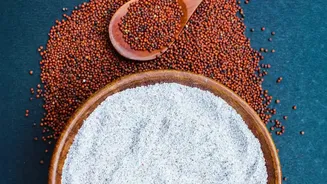
So, what makes millets a superior choice to refined flour? The nutritional benefits are significant. Millets are packed with dietary fibre, which aids digestion and promotes a feeling of fullness, helping with weight management. They are naturally gluten-free, making them a safe and healthy option for individuals with celiac disease or gluten sensitivity. Many millets also have a lower glycemic index compared to refined wheat, meaning they release sugar into the bloodstream more slowly, preventing energy spikes and crashes. Furthermore, they are rich in essential minerals. Ragi, for instance, is an excellent source of calcium, crucial for bone health, while bajra is high in iron, which helps combat anaemia. In contrast, the process of refining wheat into maida strips it of most of its fibre and micronutrients.
From Niche to Mainstream
This millet revolution is supported by a growing ecosystem. Government initiatives, like the 'International Year of Millets' in 2023, have significantly boosted awareness and demand both locally and globally. This has spurred hundreds of startups to enter the millet value chain, innovating with new products and making them widely available through e-commerce and retail stores. Brands are getting creative with flavours, offering everything from choco-chip ragi cookies to bajra wraps, aiming to make millets appealing to all age groups. This increasing accessibility means that incorporating these heritage grains into your diet no longer requires a specialised health food store visit; they are becoming a regular feature on supermarket shelves.