







The High-Impact Reality of Running
Every time your foot strikes the pavement during a run, your body has to absorb a significant amount of force. This is known as ground reaction force, and studies show it can be equivalent to several times your body weight with every single step. For
an 80kg person, that can mean over 1,000,000kg of cumulative force across each knee during a single 5km run. This repetitive impact is primarily absorbed by the joints of the lower body, including the ankles, knees, and hips. While this sounds alarming, it's not inherently bad. This mechanical loading is crucial for stimulating bone growth and increasing bone mineral density, making running an excellent exercise for preventing osteoporosis. However, for individuals with poor form, excess body weight, or pre-existing joint conditions, this high-impact nature can increase the risk of pain and injury.
The Buoyant Advantage of Swimming
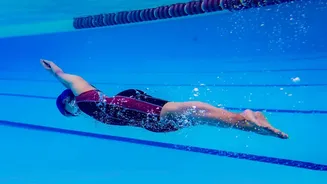
Swimming operates in a completely different physical environment. The buoyancy of water is the game-changer here, supporting up to 90% of your body weight. This effectively unloads your joints, creating a low-impact, and for many, a zero-impact workout. For people with arthritis, joint pain, or those recovering from injury, this makes swimming an an ideal choice. It allows for a full range of motion, often greater than what's comfortable on land, which helps improve flexibility and reduce stiffness without the compressive forces associated with running. The water also provides gentle, consistent resistance, which helps strengthen the muscles surrounding the joints, providing better support and stability over time.
A Direct Comparison of Joint Stress
When placed side-by-side, the difference in joint loading is stark. A runner's joints are subjected to thousands of high-force impacts per session. In contrast, a swimmer's joints move smoothly through water with minimal to no impact stress. Research has shown that aquatic exercise can significantly reduce pain and improve function for individuals with osteoarthritis. However, the impact that running provides is a double-edged sword; while it can stress joints, it is also what tells your bones to become stronger. Exclusive swimmers may not see the same bone density benefits as their running counterparts. Some studies suggest recreational runners have a lower incidence of hip and knee arthritis than sedentary individuals, indicating that the 'wear and tear' argument might be more complex than it seems.
Making the Right Choice for Your Body
Deciding between running and swimming depends entirely on your personal circumstances and goals. If you have healthy joints and want to build strong bones, running is a fantastic, accessible option. If you experience joint pain, are recovering from an injury, or simply want a full-body workout that's gentle on your skeleton, swimming is the superior choice. Many athletes and fitness enthusiasts find a hybrid approach offers the best of both worlds. Incorporating swimming as a cross-training activity can help maintain cardiovascular fitness and build muscle on recovery days, giving your joints a much-needed break from the pounding of the pavement while reducing the risk of overuse injuries. This balanced routine can lead to better overall fitness, combining the bone-strengthening benefits of running with the joint-sparing advantages of swimming.