



An Ancient Grain Rediscovered
Khapli wheat, also known as emmer wheat, is one of the oldest forms of wheat cultivated by humans, with roots stretching back thousands of years. Unlike modern wheat, which has been extensively crossbred for higher yields, khapli has remained largely
unchanged, preserving its natural nutritional structure. This ancient grain, traditionally grown in regions like Maharashtra, is now being rediscovered by health-conscious consumers. Its appeal lies in its return to a less processed, more natural way of eating, offering a profile that our bodies are arguably more accustomed to.
Decoding the 'Easy-to-Digest' Gluten
The most talked-about benefit of khapli wheat is its gluten profile. While it is not gluten-free, the gluten structure in khapli is different from that of modern wheat. It is genetically simpler, with 28 chromosomes compared to modern wheat's 42, which results in a weaker and more fragile gluten molecule. For individuals with non-celiac gluten sensitivity, who experience bloating or discomfort after eating regular wheat, this can make a significant difference. Many report that khapli is easier on their digestive system, potentially leading to less inflammation and better gut comfort. However, it is crucial to remember that it is unsafe for anyone with celiac disease.
A Boost for Gut Health and Digestion
Beyond its unique gluten, khapli wheat is a powerhouse of dietary fibre. It contains significantly more fibre than regular wheat, which is essential for a healthy digestive system. This high fibre content aids in regular bowel movements, prevents constipation, and acts as a prebiotic, feeding the beneficial bacteria in your gut. A thriving gut microbiome is linked to everything from improved immunity to better overall health. The fibre also contributes to a feeling of fullness, which can help with weight management by preventing overeating.
Sustained Energy, Not a Sugar Spike
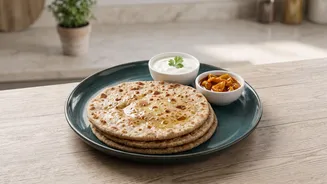
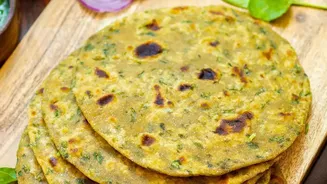
If you often feel a slump after a carb-heavy meal, khapli wheat might be the solution. It has a significantly lower glycemic index (GI) compared to modern wheat—around 45 for khapli versus 70 or higher for regular wheat. Foods with a low GI release sugar into the bloodstream slowly and steadily. This prevents the sharp spikes and crashes in blood sugar that can leave you feeling tired and reaching for another snack. The result is more sustained and stable energy throughout the day, making khapli parathas an excellent choice for a productive morning.
More Than Just Flour
Khapli wheat's benefits don't stop there. It is also richer in protein, vitamins, and essential minerals like magnesium, iron, and zinc compared to its modern counterpart. These nutrients are vital for energy metabolism, immune function, and overall cellular health. The grain is also packed with antioxidants, which help protect the body from oxidative stress and inflammation. When you choose khapli, you're not just getting a different type of flour; you're choosing a more nutrient-dense ingredient for your daily meals.