




The Two Faces of Fibre
Dietary fibre is the part of plant-based foods that your body can t digest, and it s a true hero for your health. It comes in two types: soluble and insoluble, and you need both. Soluble fibre dissolves in water to form a gel-like substance. Think of it as a sponge
that helps lower cholesterol and control blood sugar levels. You’ll find it in oats, beans, apples, carrots, and dals. Insoluble fibre doesn 't dissolve in water and acts like a broom, adding bulk to your stool and helping waste move through your digestive system more efficiently. This helps prevent constipation. Good sources include whole-wheat flour, millets, nuts, and vegetables like cauliflower and green beans. Most plant foods thankfully contain a mix of both.
Why Your Body Needs This Upgrade
A high-fibre diet is one of the pillars of good health. It significantly lowers your risk for developing heart disease, stroke, diabetes, and certain gastrointestinal issues. The benefits are extensive: it helps maintain a healthy weight, lowers blood pressure, and improves blood sugar control in people with diabetes. According to the Indian Council of Medical Research (ICMR), Indian adults should aim for about 25 to 40 grams of fibre daily. However, many urban Indians consume less than half of that, often just 15-20 grams per day. This 'fibre gap' is linked to rising rates of constipation, obesity, and other chronic diseases.
Reimagine Your Grains
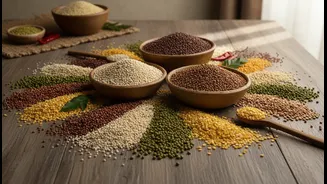
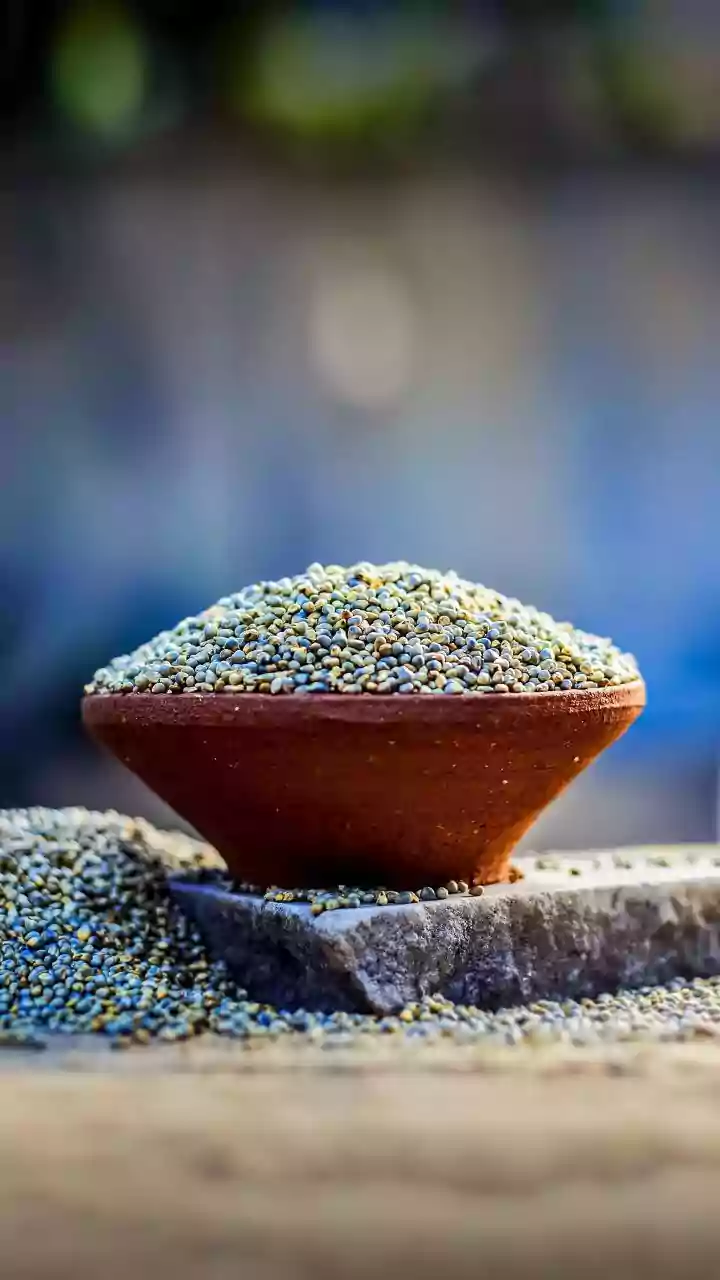
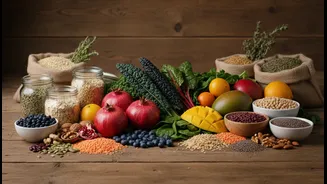
The foundation of many Indian meals offers a perfect opportunity for a fibre boost. Instead of relying solely on polished white rice and refined wheat (maida), it 's time to bring back traditional whole grains. Millets, such as jowar (sorghum), bajra (pearl millet), and ragi (finger millet), are nutritional powerhouses packed with fibre. You can start by making rotis with millet flour, either fully or by mixing it with your regular whole wheat atta. Swapping white rice for brown rice, red rice, or even cooked millets in dishes like pulao or as a side to your dal is another simple yet effective change. These grains not only add fibre but also keep you feeling full for longer.
Power Up with Pulses and Lentils
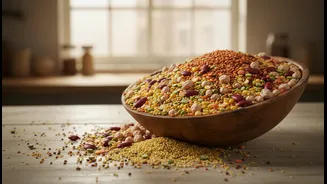
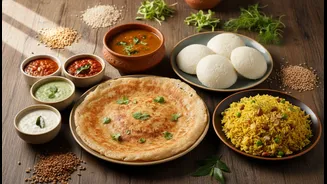
Our dals and legumes are already fibre champions, but we can make them even more central. Rajma, chana, and various dals are excellent sources of both soluble and insoluble fibre, alongside plant-based protein. A single serving of dal or legumes can contribute a significant chunk of your daily fibre needs. The goal should be to include a dal or pulse in at least one, if not two, of your main meals. Think beyond just dal; dishes like chana masala, sprouted moong salad, or a mixed-pulse khichdi can add variety and a substantial fibre punch to your weekly menu.
Fill Your Thali with Colour
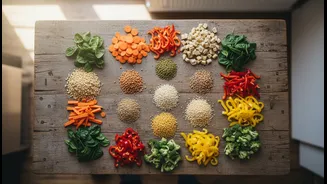
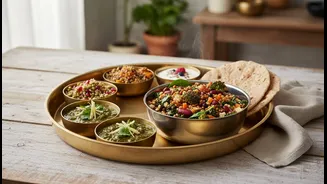
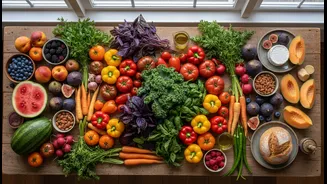
Vegetables are a fantastic source of fibre, vitamins, and minerals. A simple rule is to fill half your plate with vegetables at every meal. Many common Indian vegetables are great for this. Bhindi (okra), spinach (palak), cluster beans (gawar), and drumsticks (moringa) are all rich in fibre. Don't shy away from adding vegetables to everything – toss them into your dal, add them to upma, or make a mixed vegetable sabzi. A vibrant, colourful thali is often a fibre-rich thali. And remember to eat the skins of fruits and vegetables like apples and cucumbers whenever possible, as the peels are often packed with insoluble fibre.